Osteoarthritis In Hands: A Guide to Symptoms, Causes, and Relief
Facts:
- Hand osteoarthritis is one of the most common forms of the condition.
- Women are more likely to develop osteoarthritis in hands than men.
Decoding the Daily Discomfort of Osteoarthritis in Your Hands
Living with persistent pain and stiffness in your hands can be incredibly challenging, affecting everything from simple daily tasks to your overall quality of life. This condition, known as Osteoarthritis In Hands, is a degenerative joint disease where the protective cartilage at the ends of your bones wears down over time. It commonly affects three main areas: the base of the thumb, the joint closest to the fingertip, and the middle joint of a finger. Understanding the nuances of osteoarthritis in hands and fingers is the first crucial step toward effective management and reclaiming control over your daily activities. This guide provides a comprehensive overview of the symptoms, underlying causes, and various treatment strategies available to alleviate the discomfort associated with this prevalent condition.
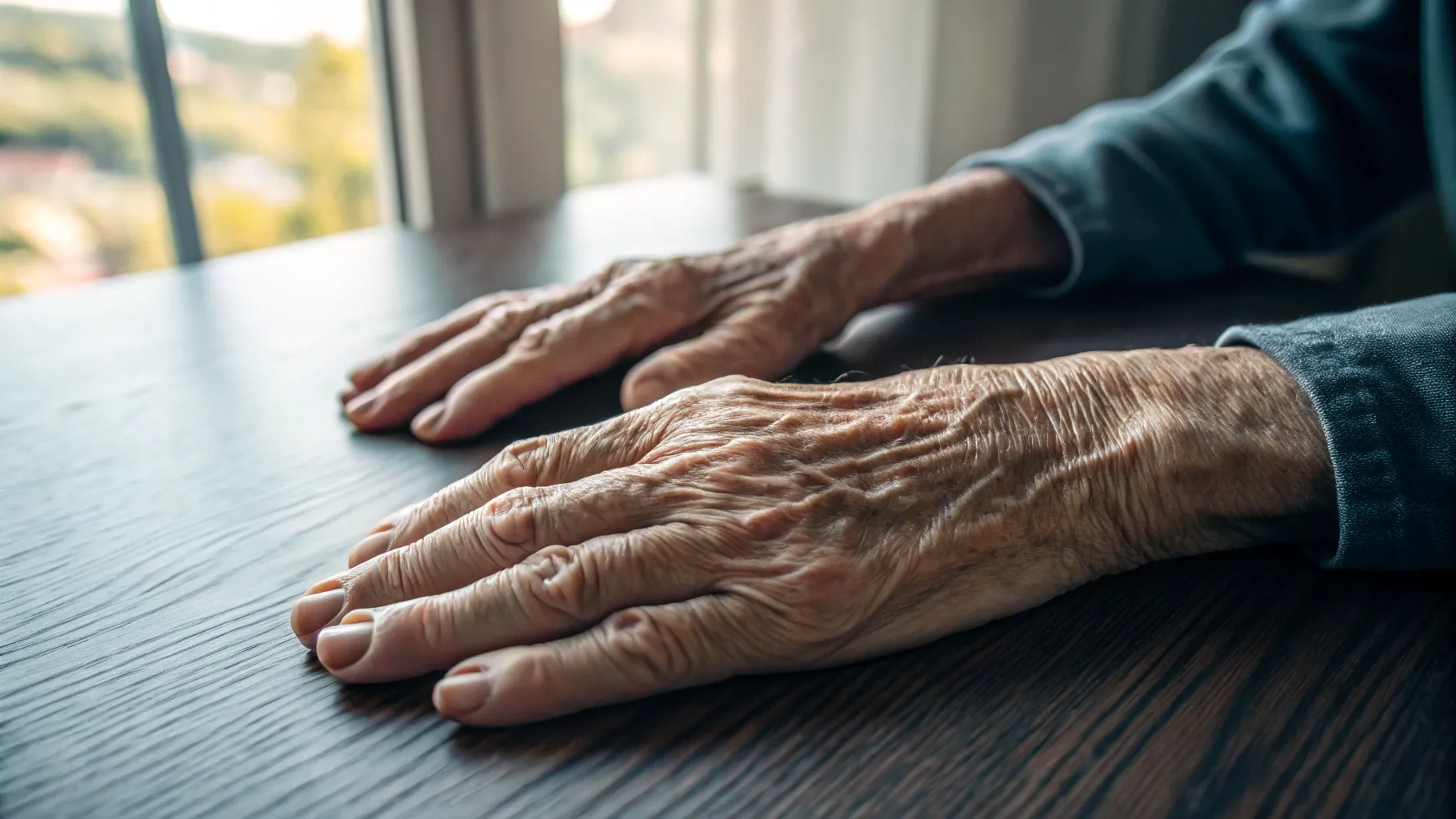
Unmistakable Signs: Recognizing Hand Osteoarthritis Symptoms
Identifying the early signs of this condition is key to seeking timely intervention. The primary hand osteoarthritis symptoms often develop gradually and can vary in intensity. The most reported symptom is pain, which may be a deep, aching sensation that worsens after use, such as gripping or grasping objects. Morning stiffness is another classic indicator, where your hands feel rigid and difficult to move for about 30 minutes after waking. As the cartilage deteriorates, you may notice swelling and tenderness in the affected osteoarthritis in hand joints. Over time, bony bumps known as Heberden's nodes (at the fingertip joint) or Bouchard's nodes (at the middle joint) may form, altering the appearance of your fingers. Many people also experience a decreased range of motion and a weaker grip, making tasks like opening jars or turning keys difficult. Recognizing these hand osteoarthritis symptoms is essential for getting an accurate diagnosis.
The Root Issues: Unpacking the Causes of Hand Osteoarthritis
While the exact mechanism is complex, several factors contribute to the development of Osteoarthritis In Hands. The primary cause is the gradual wear and tear of joint cartilage over many years, which is why age is the most significant risk factor. However, genetics also plays a substantial role; if your parents or siblings have osteoarthritis in hands and fingers, you are more likely to develop it too. Previous hand injuries, such as fractures or dislocations, can also increase the risk by altering the mechanics of the joint. Furthermore, certain occupations or hobbies that involve repetitive hand motions can put excessive stress on the osteoarthritis in hand joints, accelerating cartilage breakdown. Understanding the specific causes of hand osteoarthritis in your case can help your healthcare provider tailor a more effective treatment plan.
Navigating Treatment Options for an Osteoarthritis in Hand
Fortunately, there are numerous strategies to manage the symptoms and slow the progression of an osteoarthritis in hand. Treatment plans are typically multifaceted, combining medical interventions with self-care practices. Non-prescription options often include topical pain relievers (creams or gels) and oral nonsteroidal anti-inflammatory drugs (NSAIDs) like ibuprofen to reduce pain and inflammation. Your doctor might also recommend splinting, particularly for the thumb, to support the joint and limit painful movements. For more severe cases, corticosteroid injections directly into the joint can provide temporary but significant relief. Physical and occupational therapy are vital components, offering targeted exercises to improve flexibility and strength, as well as teaching you new ways to perform tasks to reduce strain on your joints. It's important to discuss all options with a healthcare professional to determine the best course of action for your osteoarthritis in hand.
Practical Lifestyle Adjustments for Osteoarthritis in Hands and Fingers
Beyond medical treatments, making thoughtful lifestyle adjustments can significantly impact your daily comfort when living with osteoarthritis in hands and fingers. These proactive measures focus on protecting your joints and minimizing pain.
- Use Assistive Devices: Incorporate tools designed to reduce strain on your hands. Electric can openers, jar grippers, and large-handled utensils can make kitchen tasks much easier. Look for ergonomic tools for gardening, writing, and other hobbies.
- Apply Hot and Cold Therapy: Alternating between heat and cold can be very effective. Warm compresses or paraffin wax baths can help soothe stiffness and relax muscles, while cold packs can reduce swelling and numb acute pain after activity.
- Perform Gentle Hand Exercises: Regular, gentle range-of-motion exercises can help maintain joint flexibility and reduce stiffness. Finger bends, thumb stretches, and making a soft fist can keep the joints in your hands and fingers mobile without causing further damage.
- Pace Your Activities: Learn to listen to your body. Avoid activities that cause prolonged pain and break up repetitive tasks with frequent rest periods. Balancing activity with rest is crucial for managing hand osteoarthritis symptoms.
Frequently Asked Questions
Can diet affect osteoarthritis in hands?
While no diet can cure the condition, some evidence suggests that an anti-inflammatory diet rich in omega-3 fatty acids (found in fish), antioxidants (found in fruits and vegetables), and healthy fats may help reduce inflammation and pain associated with osteoarthritis in hand joints. Limiting processed foods, sugar, and saturated fats is also recommended.
Is surgery a common treatment for osteoarthritis in hands and fingers?
Surgery is typically considered a last resort when conservative treatments have failed to provide relief from severe pain or when joint function is significantly compromised. Surgical options for osteoarthritis in hands and fingers can include joint fusion (arthrodesis) or joint replacement (arthroplasty), especially for the base of the thumb.
What is the difference between osteoarthritis and rheumatoid arthritis in the hands?
The main difference lies in the underlying cause. Osteoarthritis In Hands is a degenerative 'wear and tear' disease affecting cartilage. Rheumatoid arthritis, on the other hand, is an autoimmune disease where the body's immune system attacks the joint lining (synovium), causing widespread inflammation. While both cause hand pain, the pattern of joint involvement and other systemic symptoms differ.
References
- Arthritis Foundation: Osteoarthritis of the Hand
- American Academy of Orthopaedic Surgeons: Arthritis of the Hand
- National Institute on Aging: Osteoarthritis Information
- Mayo Clinic: Hand Osteoarthritis Symptoms and Causes
Authored by FreshLifeWire team