A Complete Guide to Itchy Skin Treatment and Lasting Relief
Facts:
- Over 20% of the world's population suffers from chronic itch.
- A key trend is using barrier-repairing itchy skin creams for long-term relief.
Deciphering the Signals: A Deep Dive into Itchy Skin Treatment
Persistent itching, or pruritus, can be a debilitating condition that disrupts sleep and diminishes overall quality of life. Finding an effective itchy skin treatment is paramount to restoring comfort and skin health. Whether the discomfort stems from environmental factors, an underlying condition, or simply dry skin, understanding the root cause is the first step toward lasting relief. This guide provides a comprehensive overview of the most common itchy skin causes, delves into the best topical solutions, and presents a reliable remedy for itchy skin you can use to calm irritation and reclaim your well-being.
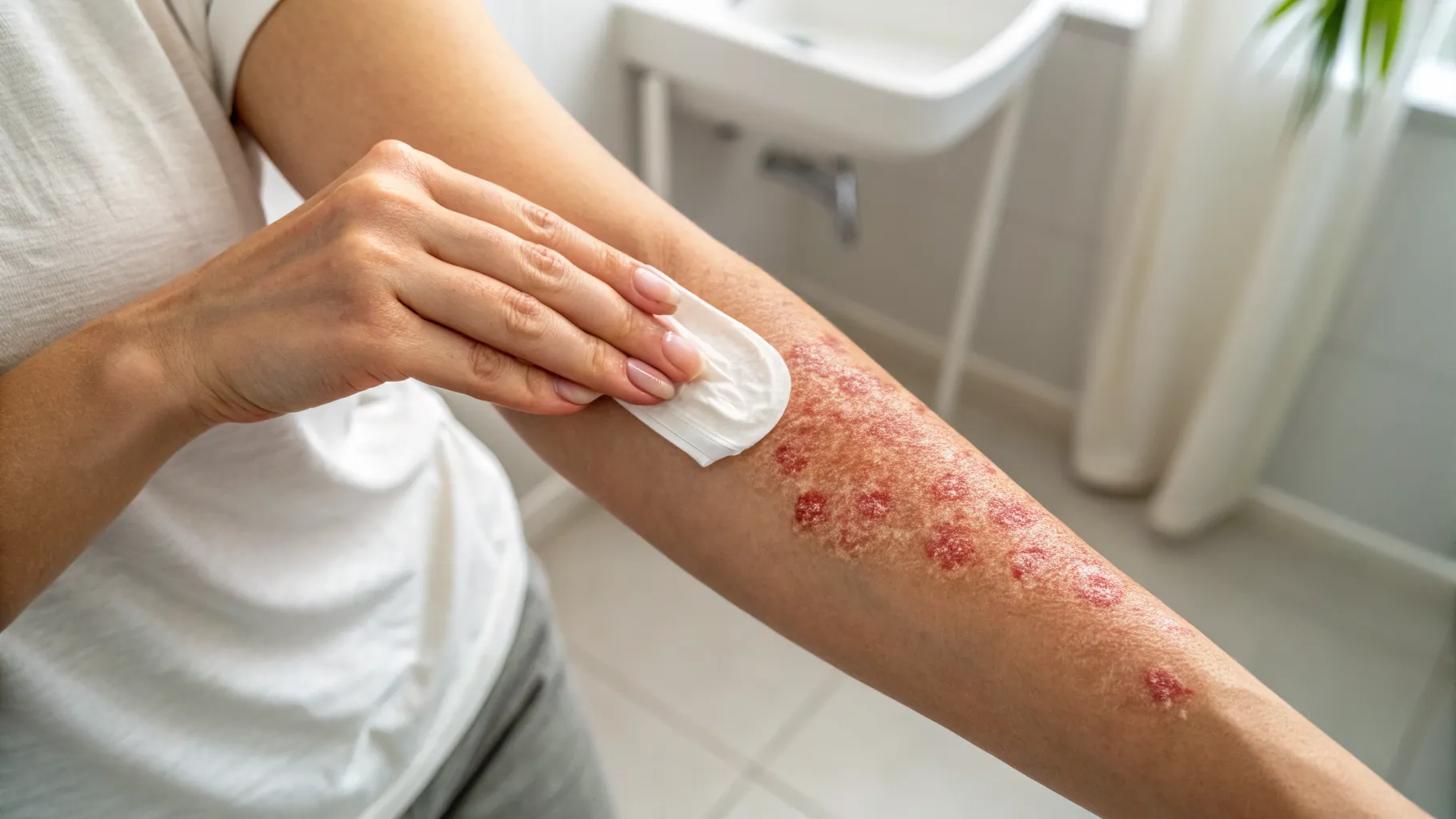
Uncovering the Common Itchy Skin Causes
Identifying the trigger is crucial for any successful itchy skin treatment. The list of potential itchy skin causes is extensive and can range from simple to complex. The most frequent culprit is xerosis, or severely dry skin, which lacks the necessary moisture and lipids to maintain a healthy barrier. This is especially common during colder months. Other significant itchy skin causes include dermatological conditions like eczema (atopic dermatitis), psoriasis, and hives, which involve inflammation. Allergic reactions to substances like nickel, fragrances, or poison ivy are also major triggers. Additionally, internal diseases, nerve disorders, and even psychological factors can manifest as persistent itch, making a proper diagnosis essential for finding the right remedy for itchy skin.
Finding the Best Itchy Skin Creams and Topical Solutions
The market is flooded with products promising relief, but the most effective itchy skin creams share key characteristics. A good starting point is a thick, fragrance-free moisturizer containing ceramides, hyaluronic acid, and glycerin. These ingredients help restore the skin's natural barrier and lock in moisture. For more intense itching, over-the-counter itchy skin creams with 1% hydrocortisone can reduce inflammation. Other beneficial topicals include those with pramoxine hydrochloride, a topical anesthetic, or cooling agents like menthol and camphor. When selecting from the vast array of itchy skin creams, it's vital to patch-test a new product to ensure it doesn't worsen the irritation. A consistent moisturizing routine is a cornerstone of any long-term itchy skin treatment plan.
Effective Home Remedy for Itchy Skin Relief
Beyond commercial products, several home-based strategies can serve as an excellent remedy for itchy skin. These methods are often gentle, affordable, and can be used in conjunction with other treatments. Applying a cool, wet compress to the affected area for 15-20 minutes can provide immediate, soothing relief by reducing inflammation. An oatmeal bath is another time-tested remedy for itchy skin; colloidal oatmeal has anti-inflammatory properties that calm irritated skin. It's also important to wear loose-fitting clothing made from soft, breathable fabrics like cotton to minimize friction. Avoiding long, hot showers, which strip the skin of its natural oils, is a simple yet powerful remedy for itchy skin that supports overall skin health and reduces flare-ups.
Why You Experience Itchy Skin at Night and How to Stop It
The phenomenon of worsening itchy skin at night, known as nocturnal pruritus, is a common and frustrating problem. Several factors contribute to this. Your body's circadian rhythms cause skin temperature to rise and water loss to increase in the evening, leading to dryness and irritation. Furthermore, the natural release of anti-inflammatory corticosteroids drops at night, while the release of itch-promoting cytokines increases. The lack of daytime distractions also makes the sensation of itch more prominent. To combat itchy skin at night, keep your bedroom cool, use a humidifier, and apply a generous layer of moisturizer before bed. Choosing calming itchy skin creams specifically designed for nighttime use can also be a highly effective part of your itchy skin treatment regimen.
A Comprehensive Guide to Professional Itchy Skin Treatment
When over-the-counter options and home remedies fail to provide adequate relief, it is time to seek a professional itchy skin treatment plan from a dermatologist. A doctor can accurately diagnose the underlying itchy skin causes and prescribe stronger medications. These may include prescription-strength corticosteroid creams, oral antihistamines to control the itch, especially for itchy skin at night, or other systemic medications like immunosuppressants for severe conditions. Another professional itchy skin treatment is phototherapy, or light therapy, which uses specific wavelengths of ultraviolet light to calm inflammation and reduce itching. Consulting a specialist ensures you receive a targeted and safe approach to managing your condition effectively.
Frequently Asked Questions
What is the fastest remedy for itchy skin?
The fastest remedy for itchy skin is often applying a cold compress or an ice pack wrapped in a thin towel to the affected area. This can numb the nerve endings and reduce inflammation almost immediately. For a chemical approach, an over-the-counter hydrocortisone cream or a topical anesthetic can also provide rapid relief.
Are all itchy skin creams the same?
No, not all itchy skin creams are the same. They vary widely in their active ingredients and formulation. Some are simple moisturizers designed to combat dryness, while others contain active ingredients like hydrocortisone to fight inflammation, antihistamines to block itch signals, or ceramides to repair the skin barrier. Choosing the right one depends on the specific itchy skin causes.
What are the most common itchy skin causes?
The most common itchy skin causes include dry skin (xerosis), skin conditions like eczema and psoriasis, allergic reactions from contact with irritants, insect bites, and hives. Less commonly, it can be a symptom of an internal disease, which is why persistent itch should be evaluated by a doctor to determine the correct itchy skin treatment.
How can I prevent itchy skin at night?
To prevent itchy skin at night, maintain a cool sleeping environment, use a humidifier to add moisture to the air, and avoid scratchy bedding. Apply a thick layer of a high-quality moisturizer before bed. Taking a sedating antihistamine (after consulting a doctor) can also be an effective part of your itchy skin treatment to ensure a restful night.
References
- American Academy of Dermatology Association - How to Relieve Itchy Skin.
- National Institute on Aging - Skin Care and Aging.
- The Journal of Clinical and Aesthetic Dermatology - Understanding Nocturnal Pruritus.
- Harvard Health Publishing - The Itch That Rash Won't Go Away.
Authored by FreshLifeWire team