Colon Cancer: A Guide to Symptoms, Staging, and Treatment
Facts:
- Colon cancer is the third most common cancer diagnosed worldwide.
- Regular screening is a key trend for early detection and prevention.
A Comprehensive Guide to Understanding Colorectal Malignancy
Navigating a diagnosis of colon cancer can feel overwhelming, but knowledge is a powerful tool in managing your health. Understanding the disease, from its earliest indicators to the most advanced therapeutic options, is the crucial first step. This detailed guide explores the essential aspects of colon cancer, including the often subtle colon cancer symptoms, the various risk factors, and the specifics of diagnosis and care. Our goal is to empower patients and their families with comprehensive information regarding their health journey and the different types of colon cancer treatment available.
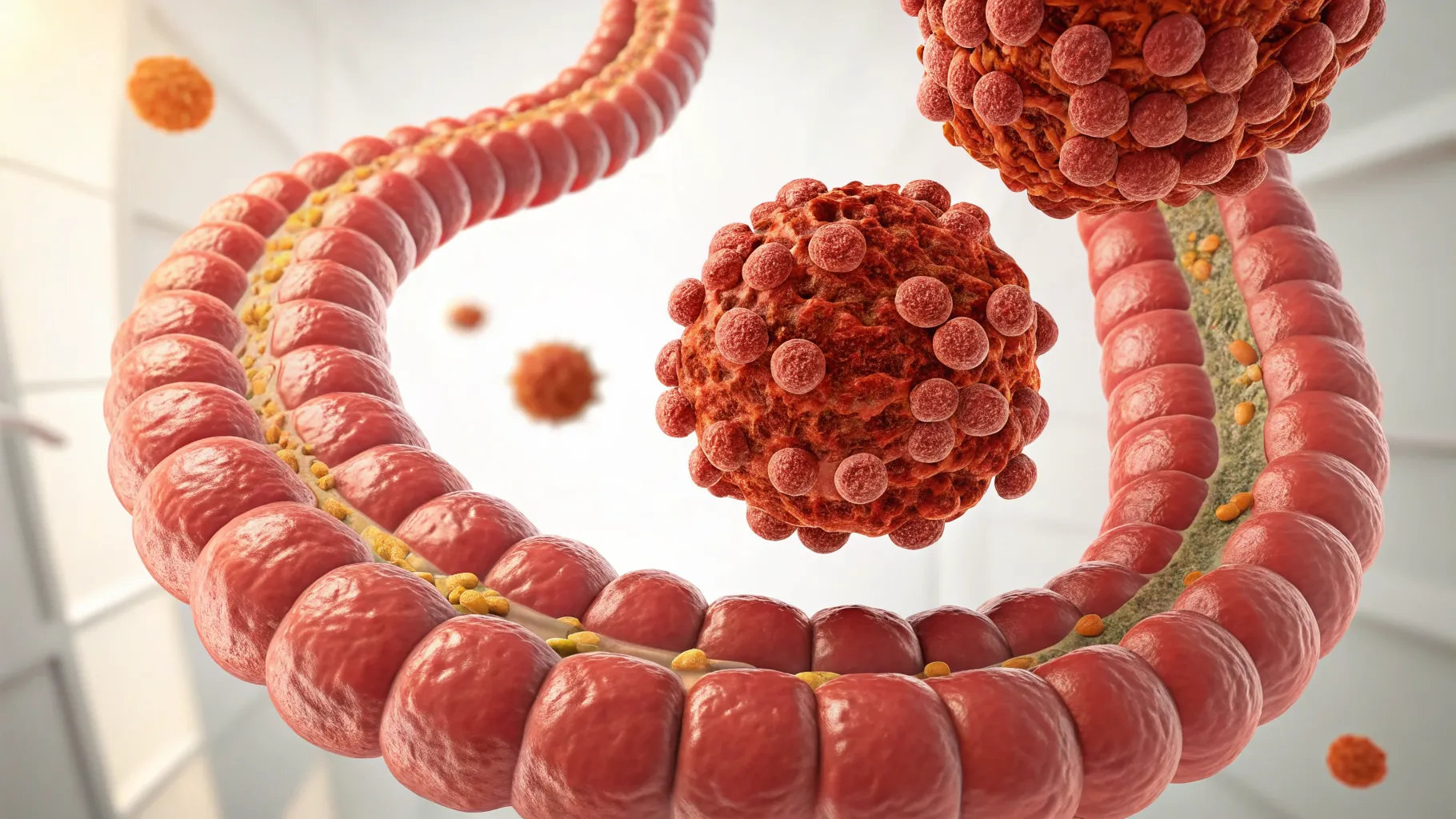
Recognizing the Warning Signs: A Deep Dive into Colon Cancer Symptoms
Identifying colon cancer symptoms early can significantly improve prognosis and treatment outcomes. While some individuals may experience no symptoms in the initial stages, others might notice persistent changes that should not be ignored. A common symptom is a change in bowel habits, such as persistent diarrhea or constipation, or a change in the consistency of your stool. Another critical warning sign is rectal bleeding or blood in the stool, which can appear as bright red streaks or make the stool look dark. Persistent abdominal discomfort, such as cramps, gas, or pain, is also a frequently reported symptom. Unexplained weight loss, constant fatigue, and a feeling that your bowel doesn't empty completely are other important colon cancer symptoms to discuss with a healthcare provider. It is vital to remember that these symptoms can also be caused by other, less serious conditions, but seeking a professional medical evaluation is essential for an accurate diagnosis related to colon cancer.
Investigating the Primary Colon Cancer Causes and Risk Factors
While the exact cause of most cases is unknown, several risk factors have been strongly linked to the disease. Understanding the primary colon cancer causes can help in assessing personal risk and adopting preventive measures. Age is a significant factor, with the majority of cases occurring in individuals over 50, although rates in younger adults are rising. A personal or family history of colon cancer or colorectal polyps significantly increases risk. Inherited genetic syndromes, such as Lynch syndrome and familial adenomatous polyposis (FAP), are also major colon cancer causes, though they account for a smaller percentage of cases. Lifestyle factors play a substantial role; a diet low in fiber and high in red or processed meats, a sedentary lifestyle, obesity, smoking, and heavy alcohol use are all associated with a higher risk of developing colon cancer. Furthermore, inflammatory intestinal conditions like Crohn's disease or ulcerative colitis can increase susceptibility.
The Importance of Accurate Colon Cancer Staging
Once colon cancer is diagnosed, determining its stage is the next critical step. The process of colon cancer staging is essential because it describes the extent of the cancer's spread and is the primary factor in determining the most effective colon cancer treatment plan. Staging is typically determined using the TNM system, which assesses the tumor (T), lymph node involvement (N), and metastasis (M). Stage 0 indicates that abnormal cells are found only in the innermost lining of the colon. Stage I means the cancer has grown into the deeper layers but has not spread outside the colon wall. In Stage II, the cancer has grown through the wall of the colon but hasn't reached nearby lymph nodes. Stage III colon cancer staging signifies that the cancer has spread to nearby lymph nodes. Finally, Stage IV, the most advanced stage, means the cancer has metastasized to distant organs, such as the liver or lungs. An accurate understanding of colon cancer staging allows oncologists to tailor therapies for the best possible outcome.
Modern Approaches to Colon Cancer Treatment
The field of colon cancer treatment has evolved significantly, offering more personalized and effective options based on the specific colon cancer staging and the patient's overall health. For early-stage cancers, the primary treatment is often surgery, which may involve a minimally invasive procedure like a polypectomy during a colonoscopy or a more extensive colectomy to remove a portion of the colon. For more advanced stages, a multi-modal approach is common. Chemotherapy is a cornerstone of colon cancer treatment, used to kill cancer cells after surgery (adjuvant therapy), before surgery (neoadjuvant therapy), or as the main treatment for metastatic disease. Radiation therapy may be used, particularly for rectal cancer, to shrink tumors before surgery or destroy remaining cancer cells. In recent years, targeted therapies and immunotherapies have revolutionized colon cancer treatment by targeting specific genetic mutations in cancer cells or by harnessing the body's immune system to fight the cancer, offering new hope for patients with advanced disease.
Proactive Steps for Prevention and Early Detection
While not all cases of colon cancer can be prevented, you can take significant steps to lower your risk and detect the disease early when it is most treatable. Adopting a proactive stance on your health is key. Here are some actionable strategies:
- Get Regular Screenings: Regular screening, beginning at age 45 for average-risk individuals, is the most effective tool for prevention. A colonoscopy can find and remove precancerous polyps before they develop into colon cancer.
- Maintain a Healthy Diet: A diet rich in fruits, vegetables, and whole grains has been linked to a lower risk of colon cancer. Conversely, limiting the intake of red and processed meats is recommended as one of the ways to mitigate potential colon cancer causes.
- Engage in Regular Physical Activity: Maintaining a healthy weight and being physically active can significantly reduce your risk. Aim for at least 150 minutes of moderate-intensity exercise per week.
- Avoid Smoking and Limit Alcohol: Both smoking and excessive alcohol consumption are known risk factors. Quitting smoking and moderating alcohol intake can have broad health benefits, including a lower risk of colon cancer.
- Know Your Family History: Understanding your family's medical history is crucial. If close relatives have had colon cancer or polyps, you may need to begin screening earlier and more frequently.
Frequently Asked Questions
What is the most common early sign of colon cancer?
One of the most common early colon cancer symptoms is a persistent change in bowel habits, such as diarrhea or constipation, or blood in the stool. However, many early-stage cases have no symptoms, which is why regular screening is critically important.
How is colon cancer staging officially determined?
Colon cancer staging is determined after a diagnosis is confirmed. It involves a combination of imaging tests like CT scans, analysis of tissue removed during surgery, and examination of nearby lymph nodes to assess how far the cancer has spread from its original location in the colon.
What are the most innovative colon cancer treatment options available today?
The most innovative options for colon cancer treatment include targeted therapies that focus on specific genetic abnormalities within cancer cells and immunotherapies that boost the patient's own immune system to attack the cancer. These are often used for advanced-stage disease and are a key area of ongoing research.
References
- National Cancer Institute
- American Cancer Society
- Colorectal Cancer Alliance
- Mayo Clinic
Authored by FreshLifeWire team