Understanding Lymph Fluid: Causes, Buildup, and Effective Drainage
Facts:
- The human body circulates about 2-3 liters of lymph fluid daily.
- Proper hydration is a key trend for managing healthy lymph fluid flow.
The Critical Role of Lymph Fluid in Your Body's Health
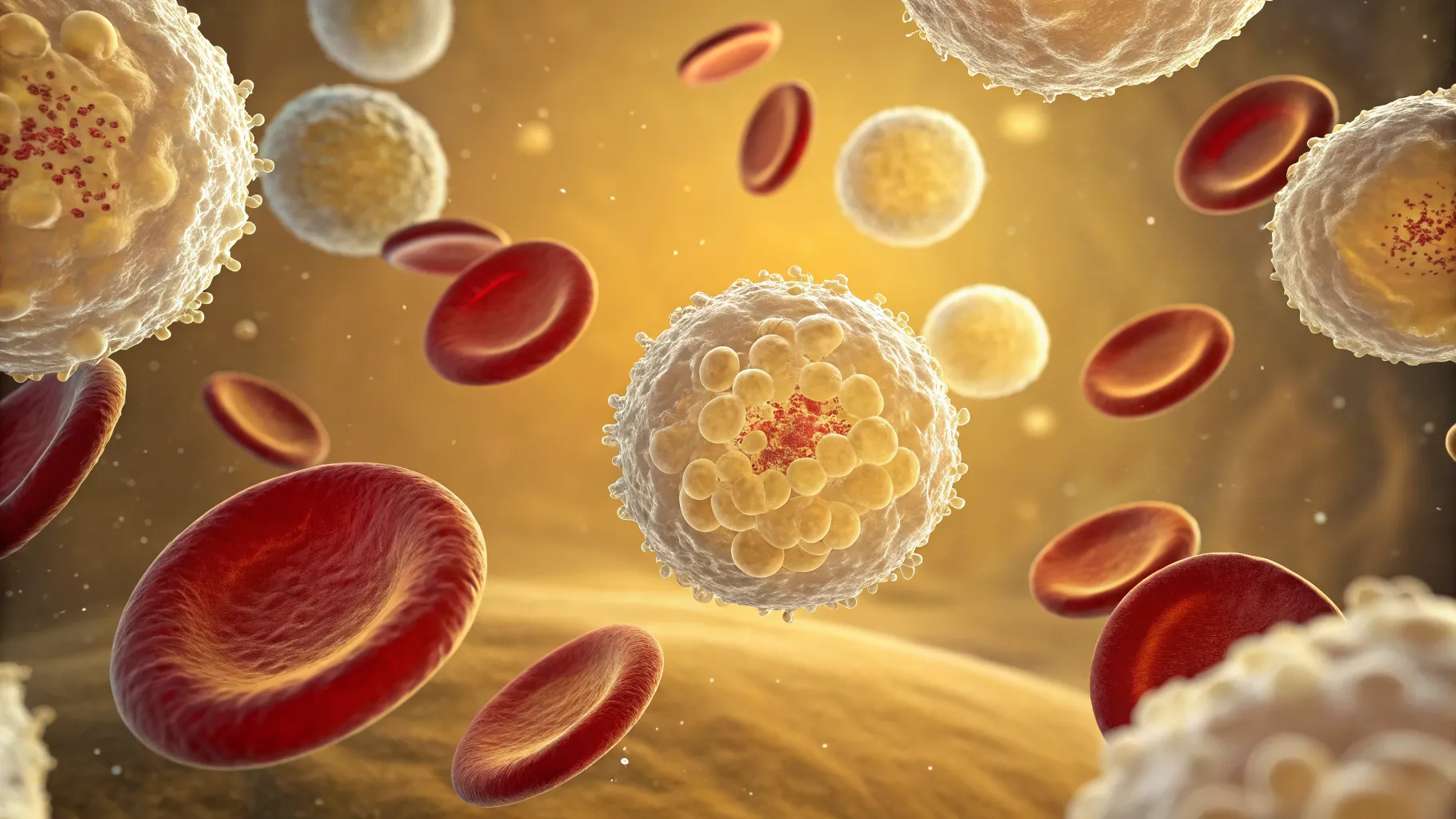
Often overlooked, the lymphatic system and its primary component, lymph fluid, are cornerstones of our immune defense and fluid regulation. This clear-to-white fluid circulates throughout the body, removing toxins, waste, and other unwanted materials. When this system is compromised, it can lead to significant health issues, most notably lymph fluid buildup, which requires immediate attention and proper care to resolve. Understanding how this system works is the first step toward preventing and managing related conditions.
What Causes Disruptions in Lymph Fluid Flow?
A healthy lymphatic system is a silent worker, but disruptions can cause noticeable problems. The most common issue is lymphedema, a condition characterized by significant lymph fluid buildup. This can be a primary condition, meaning it's caused by a genetic malformation of the lymphatic system, or secondary, which is far more common. Secondary lymphedema often occurs after surgery, particularly cancer treatments that involve the removal of lymph nodes, or following radiation therapy. Infections, trauma, and certain diseases can also damage lymph vessels, leading to impaired drainage and chronic lymph fluid and swelling, especially in the extremities.
Recognizing the Signs of Lymph Fluid and Swelling
Identifying the symptoms of poor lymphatic drainage early is crucial for effective management. The most prominent sign is swelling, or edema, which commonly affects the limbs. This is a direct result of lymph fluid in legs and arms accumulating. Unlike swelling from a simple injury, this type of edema is often persistent and may feel heavy or tight. Other symptoms can include aching or discomfort in the affected area, restricted range of motion, recurring skin infections (cellulitis), and a hardening or thickening of the skin known as fibrosis. If you notice persistent swelling, it is essential to seek medical advice for proper diagnosis and to get relevant lymph fluid drainage information.
Effective Strategies for Managing Lymph Fluid Buildup
While there is no cure for chronic lymphedema, there are highly effective management strategies that can control symptoms and improve quality of life. The gold standard is Complete Decongestive Therapy (CDT), which involves a combination of techniques. One key component is Manual Lymphatic Drainage (MLD), a specialized massage technique that gently redirects stagnant lymph fluid to healthier parts of the lymphatic system. This is often followed by compression therapy, using bandages or custom-fitted garments to prevent the re-accumulation of fluid. This comprehensive approach provides critical lymph fluid drainage information and empowers patients to manage their condition effectively.
Actionable Advice for Promoting Healthy Lymphatic Drainage
Beyond clinical treatments, daily habits can significantly impact your lymphatic health and help manage lymph fluid and swelling. Integrating these practices can support your body's natural drainage processes.
- Regular Exercise: Gentle physical activity is paramount. The contraction of muscles acts as a natural pump for the lymph fluid. Activities like walking, swimming, yoga, and stretching are particularly beneficial for stimulating flow, especially when dealing with lymph fluid in legs and arms.
- Proper Hydration and Nutrition: Staying well-hydrated helps keep the lymph fluid thin and flowing easily. A diet rich in fruits, vegetables, and lean proteins while low in processed foods and sodium can reduce inflammation and support overall lymphatic function, preventing lymph fluid buildup.
- Elevation: When experiencing swelling in the limbs, elevating the affected arm or leg above heart level can use gravity to help drain the excess lymph fluid. This simple action can provide significant relief, especially when done consistently throughout the day.
- Avoid Restrictive Clothing: Tight clothing, shoes, or jewelry can constrict circulation and impede the natural flow of lymph fluid. Opt for loose-fitting garments to allow your lymphatic system to function without obstruction.
When to Seek Professional Lymph Fluid Drainage Information
Self-management is important, but professional guidance is irreplaceable, especially when dealing with a chronic condition. If you experience sudden, severe swelling, signs of infection like redness or fever, or if your condition worsens, it is imperative to consult a healthcare professional. A certified lymphedema therapist can provide a tailored treatment plan, including MLD, compression fitting, and specific exercises. They offer the most reliable lymph fluid drainage information to ensure you are managing the condition safely and effectively, helping to prevent complications and control the progression of lymph fluid buildup.
Frequently Asked Questions
What is the main function of lymph fluid?
The primary function of lymph fluid is to transport infection-fighting white blood cells, called lymphocytes, throughout the body. It also removes waste products, toxins, and excess fluid from tissues and returns it to the bloodstream, playing a crucial role in both the immune system and fluid balance.
Can lymph fluid buildup resolve on its own?
Minor or temporary lymph fluid buildup may resolve with simple measures like elevation and movement. However, chronic conditions like lymphedema typically do not resolve on their own and require ongoing management, including professional lymph fluid drainage information and therapies to control symptoms and prevent complications.
How can I improve lymph fluid in legs and arms?
To manage lymph fluid in legs and arms, regular gentle exercise like walking or swimming is highly beneficial. Elevation of the affected limbs above heart level, wearing properly fitted compression garments, and performing specific manual drainage techniques as taught by a therapist can significantly reduce swelling and improve circulation.
References
- Journal of Lymphatic Research and Biology
- National Lymphedema Network Publications
- Textbook of Medical Physiology
- International Society of Lymphology Guidelines
Authored by FreshLifeWire team