Vaginal Dryness: Causes, Symptoms, and Effective Treatments for Relief
Facts:
- Vaginal dryness affects over 50% of postmenopausal women.
- New formulations of vaginal dryness cream are a key trend for women seeking non-hormonal relief.
Understanding and Managing Vaginal Dryness Effectively
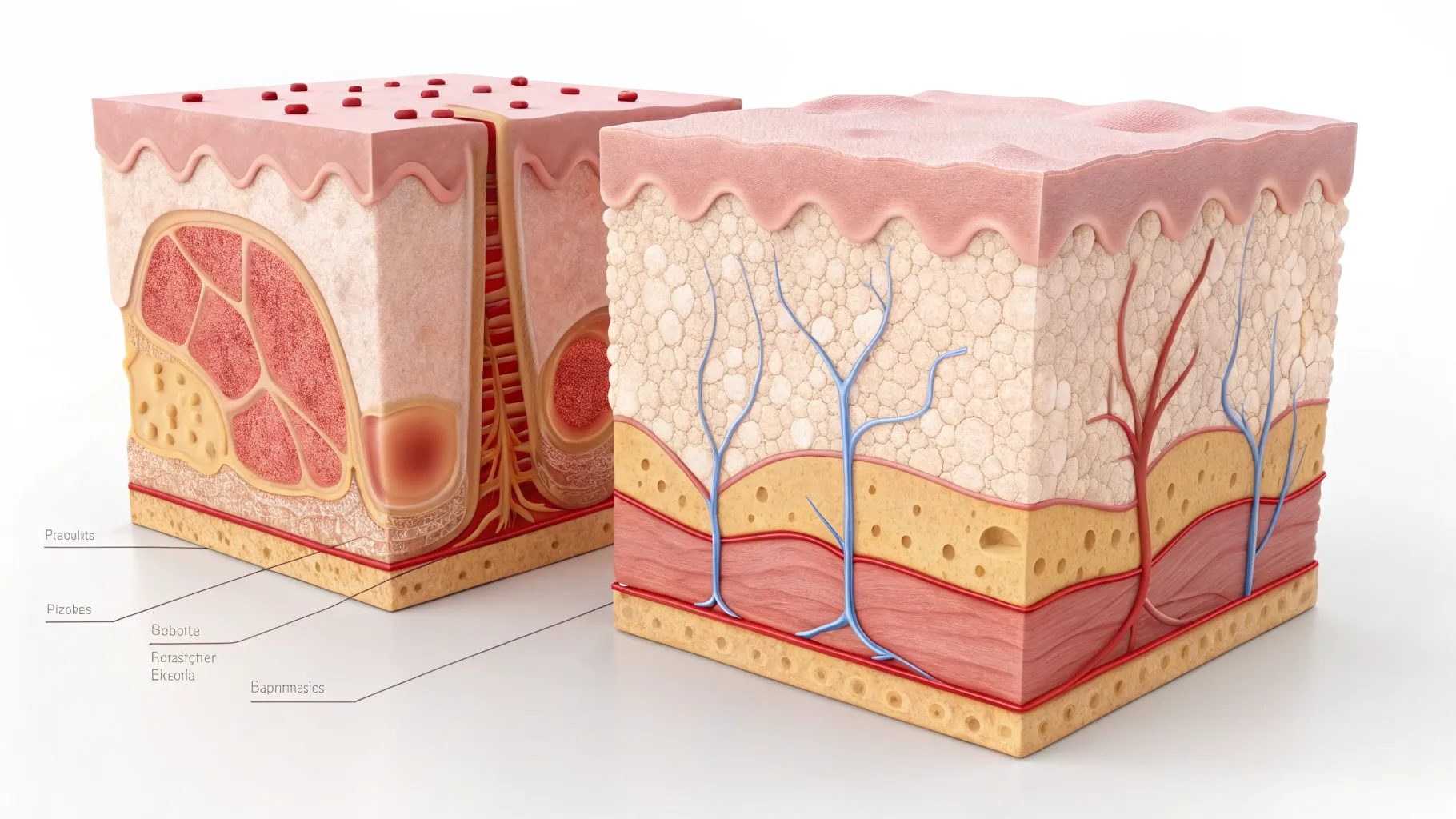
Vaginal dryness is a common and often distressing condition that affects women of all ages, though it is particularly prevalent among Vaginal Dryness in Menopausal Women. This issue, medically known as atrophic vaginitis, occurs when the vaginal tissues become thinner, less elastic, and more fragile, primarily due to a decrease in estrogen levels. Understanding the causes of vaginal dryness is the first step toward finding effective relief and improving quality of life. Many women experience discomfort, itching, and pain during intercourse, but are hesitant to discuss these symptoms of vaginal dryness. Fortunately, numerous effective treatments are available, ranging from over-the-counter lubricants to prescribed vaginal dryness cream, making it a manageable condition.
The Primary Causes of Vaginal Dryness
The most significant of the causes of vaginal dryness is a reduction in estrogen. Estrogen is a key hormone that helps maintain the health, elasticity, and lubrication of vaginal tissues. When estrogen levels drop, these tissues can become dry and inflamed. The primary reason for this hormonal shift is menopause, making Vaginal Dryness in Menopausal Women a widespread concern. However, other factors can also contribute to low estrogen and subsequent vaginal dryness. These include childbirth and breastfeeding, certain cancer treatments like chemotherapy and radiation, surgical removal of the ovaries, and anti-estrogen medications used to treat conditions like endometriosis or uterine fibroids. Additionally, some lifestyle factors, such as smoking, extreme stress, and certain autoimmune disorders like Sjögren's syndrome, can exacerbate the condition by affecting overall hydration and hormonal balance.
Recognizing the Symptoms of Vaginal Dryness
The symptoms of vaginal dryness can range from mildly annoying to severely debilitating, impacting daily comfort and intimacy. The most commonly reported symptoms include a feeling of soreness, itching, or burning in and around the vagina. Many women experience dyspareunia, which is pain or discomfort during sexual intercourse. This can be accompanied by light bleeding after intercourse due to the fragility of the thinned vaginal tissues. Beyond sexual health, vaginal dryness can also lead to urinary problems. Some women report an urgent need to urinate, frequent urination, and an increased susceptibility to urinary tract infections (UTIs). It is crucial to recognize these signs not just as an inevitable part of aging but as treatable medical symptoms of vaginal dryness that warrant a discussion with a healthcare provider to rule out other conditions and find appropriate solutions.
Effective Treatment Options from Creams to Therapies
Thankfully, there is a wide array of treatments available to manage vaginal dryness. For mild cases, over-the-counter vaginal moisturizers and lubricants can provide significant relief. Moisturizers are used regularly (every few days) to help restore moisture to the tissues, while lubricants are used just before sexual activity to reduce friction and pain. For more persistent or severe symptoms, a vaginal dryness cream containing low-dose estrogen is often recommended. These creams are applied directly to the vagina and work by replenishing local estrogen levels, thereby improving tissue health and lubrication without significantly raising estrogen levels in the bloodstream. Other forms of local estrogen therapy include vaginal tablets and rings. For some women, systemic hormone replacement therapy (HRT) may be an option, but this is a decision that requires a thorough discussion of risks and benefits with a doctor. Non-hormonal prescription options are also becoming more available for those who cannot or prefer not to use estrogen-based treatments.
Actionable Advice for Managing Daily Discomfort
Beyond medical treatments, several lifestyle adjustments can help manage the discomfort associated with vaginal dryness. Implementing these simple strategies can complement prescribed therapies and improve overall vaginal health. It's important to focus on gentle care and avoiding potential irritants that can worsen the symptoms of vaginal dryness.
- Avoid Irritating Products: Steer clear of harsh soaps, scented lotions, bubble baths, and douches. These products can disrupt the natural pH balance of the vagina and strip away its natural moisture, worsening dryness and irritation. Opt for mild, unscented soaps and warm water for external cleansing only.
- Stay Hydrated: Drinking plenty of water throughout the day is essential for overall health and can help improve hydration in all body tissues, including the vaginal lining. Proper hydration supports the body's natural lubrication processes.
- Engage in Regular Sexual Activity: Regular sexual stimulation, with or without a partner, can increase blood flow to the vaginal tissues. This increased circulation helps to keep the tissues healthy, moist, and more elastic. The use of a quality lubricant is highly recommended to ensure comfort.
- Choose Cotton Underwear: Wear breathable, cotton underwear and avoid tight-fitting clothing. Synthetic fabrics can trap heat and moisture, creating an environment that can lead to irritation and potential infections, further complicating the issue of vaginal dryness.
Frequently Asked Questions
What is the best vaginal dryness cream?
The best vaginal dryness cream depends on the individual's needs and medical history. For many, a low-dose estrogen cream prescribed by a doctor is highly effective at restoring vaginal tissue health. Over-the-counter moisturizers are a great non-hormonal first step. It is essential to consult a healthcare provider to determine the most suitable option for your specific symptoms of vaginal dryness.
Can diet affect vaginal dryness?
Yes, diet can play a role. Foods rich in phytoestrogens, such as soy, flaxseeds, and chickpeas, may offer mild benefits for some women. Additionally, ensuring an adequate intake of healthy fats, like those found in avocados and nuts, and staying well-hydrated are crucial for supporting the body's natural lubrication and mitigating some causes of vaginal dryness.
Is vaginal dryness a permanent condition?
For many women, particularly post-menopause, vaginal dryness can be a chronic condition due to persistently low estrogen levels. However, it is highly manageable with consistent treatment. With regular use of moisturizers, lubricants, or hormonal therapies like a vaginal dryness cream, symptoms can be effectively controlled, and comfort can be restored long-term.
References
- North American Menopause Society (NAMS) on Atrophic Vaginitis.
- American College of Obstetricians and Gynecologists (ACOG) guidelines on vaginal health.
- Journal of Women's Health studies on estrogen therapy.
- International Menopause Society recommendations for midlife women's health.
Authored by FreshLifeWire team