Colon Cancer: A Comprehensive Guide to Symptoms, Causes, and Treatment
Facts:
- Colon cancer is the third most common cancer diagnosed globally.
- Early screening significantly improves survival rates for colon cancer patients.
Understanding the Development and Progression of Colon Cancer
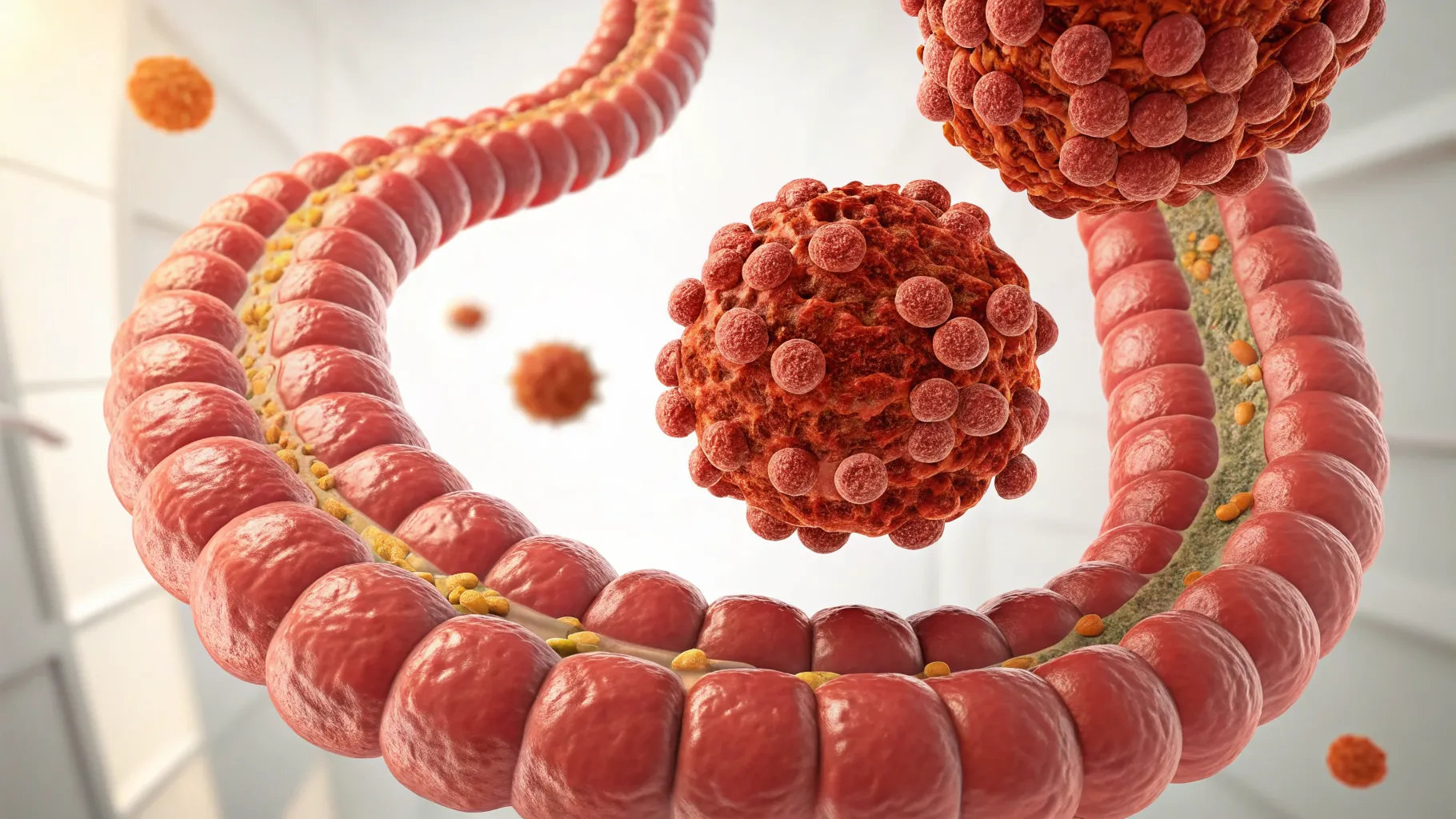
Colon cancer is a significant health concern worldwide, originating in the large intestine (colon), which is the final part of the digestive tract. Understanding this disease is the first step toward effective prevention and management. It typically begins as small, noncancerous clumps of cells called polyps that form on the inside of the colon. Over time, some of these polyps can become cancerous. The journey from a benign polyp to a malignant tumor can take years, offering a crucial window for detection and intervention. Recognizing the various aspects of colon cancer, from its initial stages to advanced forms, is vital for anyone looking to understand their risk and options. This guide will delve deep into colon cancer symptoms, causes, staging, and the latest in colon cancer treatment, providing a comprehensive overview.
Unraveling the Primary Colon Cancer Causes
While the exact cause of most colon cancers is not known, researchers have identified several factors that can increase a person's risk. The primary colon cancer causes are a combination of genetic and lifestyle factors. A family history of the disease, particularly in a first-degree relative, significantly elevates risk. Certain genetic syndromes, such as Lynch syndrome and familial adenomatous polyposis (FAP), are also strong predictors. However, lifestyle plays an equally crucial role. Diets high in red and processed meats, low in fiber, and a sedentary lifestyle are consistently linked to a higher incidence of colon cancer. Other contributing factors include obesity, smoking, and heavy alcohol use. Chronic inflammatory conditions of the colon, such as Crohn's disease or ulcerative colitis, also increase the long-term risk of developing the disease. Understanding these colon cancer causes helps in formulating effective prevention strategies.
Recognizing Common Colon Cancer Symptoms
In its early stages, colon cancer may not produce any symptoms, which is why screening is so important. As the tumor grows, however, individuals may begin to experience a variety of signs. The most common colon cancer symptoms include a persistent change in bowel habits, such as diarrhea or constipation, or a change in the consistency of your stool. Rectal bleeding or blood in the stool is another critical warning sign that should never be ignored. As the disease progresses, other colon cancer symptoms may appear, including persistent abdominal discomfort like cramps, gas, or pain, a feeling that your bowel doesn't empty completely, weakness or fatigue, and unexplained weight loss. If you experience any of these symptoms, especially if they are persistent, it is essential to consult a healthcare provider for a proper diagnosis. Early identification of these symptoms can lead to a more favorable outcome with timely colon cancer treatment.
A Comprehensive Guide to Colon Cancer Staging
Once a diagnosis of colon cancer is confirmed, the next crucial step is determining its stage. Colon cancer staging is a system used by doctors to describe the extent of the cancer's spread. It is essential for planning the most effective colon cancer treatment and predicting a patient's prognosis. The staging is typically categorized from Stage 0 to Stage IV. Stage 0 indicates that the cancer is in its very earliest form, confined to the innermost lining of the colon. Stage I means the cancer has grown into the deeper layers of the colon wall but has not spread beyond it. In Stage II, the cancer has grown through the wall of the colon but hasn't reached nearby lymph nodes. Stage III colon cancer staging signifies that the cancer has spread to nearby lymph nodes but not to distant parts of the body. Finally, Stage IV, the most advanced stage, means the cancer has metastasized to distant organs, such as the liver or lungs. Each stage requires a different therapeutic approach, making accurate colon cancer staging a cornerstone of patient care.
Modern Approaches to Colon Cancer Treatment
The landscape of colon cancer treatment has evolved significantly, offering more personalized and effective options for patients. Treatment plans are highly dependent on the cancer's stage, location, and the patient's overall health. For early-stage cancers, the primary treatment is often surgery to remove the cancerous part of the colon (colectomy). In many cases, this may be the only treatment needed. For more advanced cases, a combination of therapies is typically employed. Chemotherapy is a common form of colon cancer treatment that uses drugs to kill cancer cells and is often used after surgery to eliminate any remaining cancer cells or to control advanced cancer. Radiation therapy, which uses high-energy rays to target and destroy cancer cells, may be used before surgery to shrink a tumor or to relieve symptoms. Furthermore, targeted therapy and immunotherapy are newer, more advanced options that target specific abnormalities in cancer cells or use the body's immune system to fight the cancer, often with fewer side effects than traditional chemotherapy. The ongoing research into colon cancer treatment continues to improve survival rates and quality of life for patients.
Actionable Steps for Prevention and Early Detection
While some risk factors for colon cancer cannot be changed, there are many proactive steps you can take to lower your risk and promote early detection. Regular screening is the most powerful tool in preventing the disease.
- Get Regular Screenings: Starting at age 45 (or earlier if you have a higher risk), regular screenings like colonoscopies can find and remove precancerous polyps before they turn into cancer. This is the most effective way to prevent colon cancer.
- Adopt a Healthy Diet: Focus on a diet rich in fruits, vegetables, and whole grains. These foods are high in fiber, vitamins, and antioxidants. Limit your intake of red and processed meats, which have been linked to an increased risk.
- Maintain a Healthy Weight and Be Active: Regular physical activity and maintaining a healthy weight can significantly lower your risk. Aim for at least 30 minutes of moderate exercise most days of the week.
- Avoid Smoking and Limit Alcohol: Smoking and heavy alcohol consumption are known colon cancer causes. Quitting smoking and drinking alcohol in moderation can reduce your risk of this and many other cancers.
Frequently Asked Questions
What are the earliest colon cancer symptoms?
The earliest colon cancer symptoms can be very subtle or even non-existent. When they do appear, they often include changes in bowel habits (diarrhea or constipation), blood in the stool, and abdominal discomfort. Because early-stage cancer may not show symptoms, regular screening is vital.
Who is at high risk for developing colon cancer?
Individuals with a personal or family history of colon cancer or polyps, those with genetic syndromes like Lynch syndrome, and people with chronic inflammatory bowel disease are at high risk. Lifestyle factors such as a poor diet, obesity, smoking, and lack of exercise also contribute to what are known as colon cancer causes.
How is colon cancer staging determined?
Colon cancer staging is determined through a combination of tests, including imaging scans like CT scans, MRIs, and PET scans, as well as an analysis of tissue removed during surgery. This process helps doctors understand how far the cancer has spread from its original location in the colon.
What is the most effective colon cancer treatment?
The most effective colon cancer treatment depends on the stage and location of the cancer. For early stages, surgery is often curative. For more advanced stages, a combination of surgery, chemotherapy, and sometimes radiation or targeted therapies is used to achieve the best possible outcome.
References
- American Cancer Society: Colorectal Cancer Facts & Figures
- National Cancer Institute: Colorectal Cancer Prevention, Patient Version
- Centers for Disease Control and Prevention: Colorectal Cancer Awareness
- Mayo Clinic: Colon Cancer Patient Care & Health Information
Authored by FreshLifeWire team