Seniors Swimming Lessons: Your Ultimate Guide to Water Fitness and Safety
Facts:
- Swimming is a full-body, low-impact workout.
- Aquatic therapy is a growing fitness trend for older adults.
Why Water is the Perfect Fitness Venue for Seniors
As we age, finding an exercise routine that is both effective and gentle on the body becomes paramount. This is where seniors swimming lessons truly shine. Unlike high-impact activities, the buoyancy of water supports the body, reducing stress on joints and bones while still providing excellent cardiovascular and muscular benefits. Embarking on a journey with swimming classes for seniors isn't just about learning to swim; it's about embracing a lifestyle of health, safety, and community engagement that can dramatically improve your quality of life.
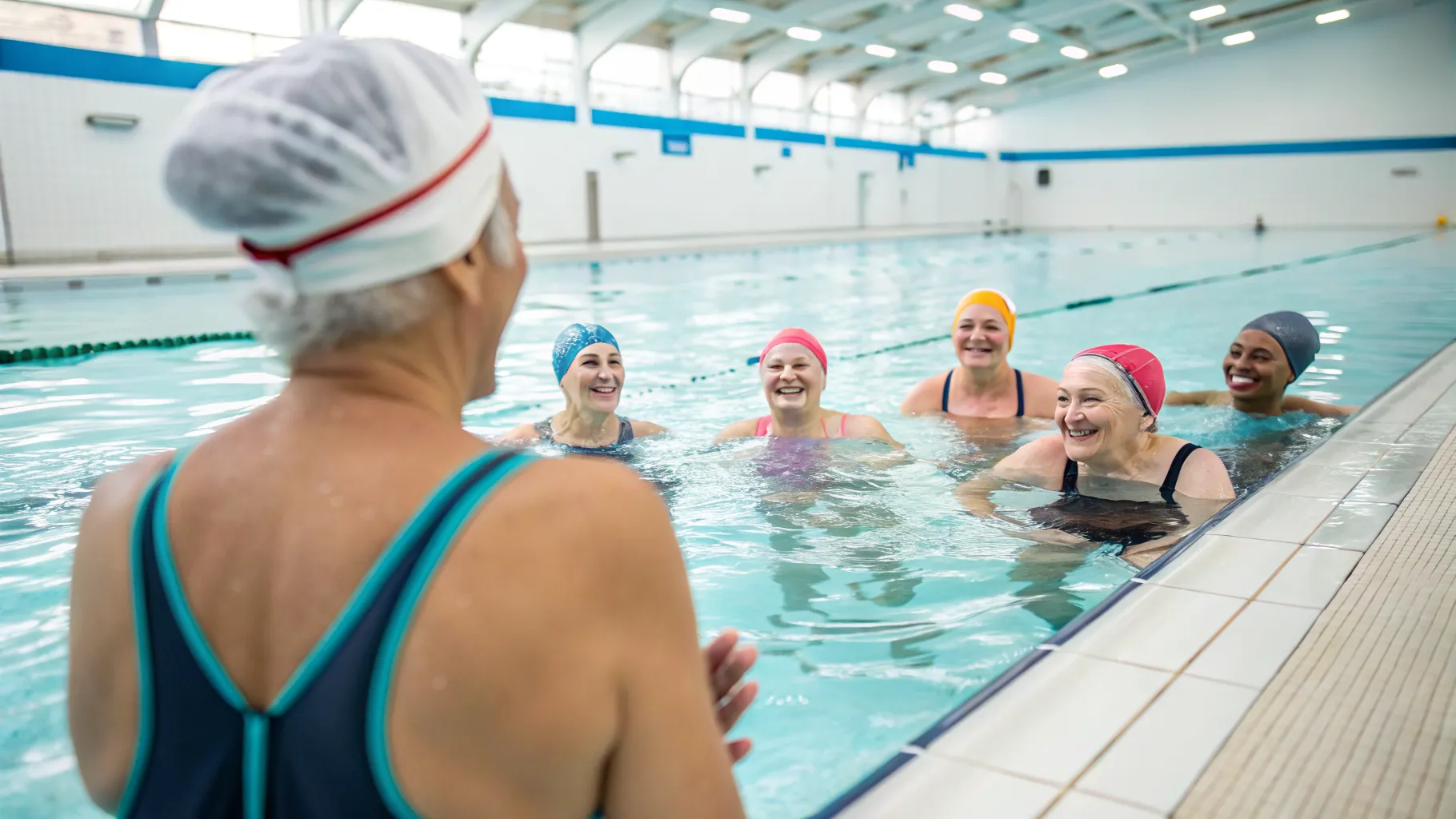
The Unmatched Health Benefits of Senior Swim Programs
Participating in a dedicated senior swim programs offers a multitude of physical and mental health advantages. The resistance of the water provides a natural way to build muscle strength without the strain of lifting heavy weights. This is particularly beneficial for maintaining bone density and improving overall functional strength. Furthermore, the cardiovascular workout from swimming is exceptional. It helps lower blood pressure, improves circulation, and strengthens the heart muscle. Many find that regular water exercise for seniors not only boosts physical stamina but also significantly improves mood, reduces symptoms of anxiety and depression, and promotes better sleep patterns due to the relaxing nature of the water.
What to Expect in Swimming Classes for Seniors
If you're considering joining, you might wonder what a typical class looks like. Most swimming classes for seniors are structured to be welcoming and non-intimidating. A class usually begins with a gentle warm-up to prepare the muscles, followed by skill-focused instruction tailored to the group's ability level. This could range from basic water safety and breathing techniques for absolute beginners to stroke refinement for more experienced swimmers. A certified instructor guides you through each step, ensuring a safe and supportive environment. These senior pool classes also foster a wonderful sense of community, allowing you to connect with peers who share similar goals, making exercise a fun and social event rather than a chore.
Choosing the Right Program: Comparing Senior Pool Classes
Not all aquatic programs are created equal, and it's important to find the one that best fits your needs. Many community centers and gyms offer a variety of senior pool classes. Some focus specifically on learn-to-swim curricula, breaking down the fundamentals for adults. Others are geared towards general fitness, like water aerobics, which involves choreographed movements to music. There are also therapeutic water exercise for seniors programs designed for individuals with arthritis or those recovering from injury. When comparing options, look for instructors with certifications in senior fitness, check if the facility has amenities like accessible entry ramps and warm water pools, and don't hesitate to ask if you can observe a class before signing up for a full session of seniors swimming lessons.
Getting Started: Your Checklist for Success
Taking the first step is often the hardest part. Here is some actionable advice to help you dive in with confidence. Following these steps can make your transition into a senior swim programs smooth and enjoyable.
- Consult Your Doctor: Before starting any new exercise regimen, it's wise to have a conversation with your healthcare provider to ensure it's safe for you.
- Find the Right Swimwear: Choose a swimsuit that makes you feel comfortable and confident. You may also want to invest in a good pair of non-slip goggles and a swim cap.
- Visit Local Facilities: Tour local pools to find one that is clean, safe, and offers the type of swimming classes for seniors you are interested in. Pay attention to water temperature and accessibility.
- Set Realistic Goals: Whether your goal is to swim a full lap or simply become comfortable in the water, start small and celebrate your progress along the way.
- Stay Hydrated: It might seem counterintuitive, but you can still get dehydrated while swimming. Be sure to drink plenty of water before and after your class.
Overcoming Common Fears About Adult Swimming Lessons
It's completely normal to feel apprehensive about starting something new, especially swimming. A common concern is a fear of the water itself. Quality seniors swimming lessons address this by starting in shallow water and progressing at a pace that feels comfortable for you, building confidence with every lesson. Another hesitation can be body image concerns. Remember that you'll be in a class with peers who are there for the same reasons you are—to improve their health and well-being. The focus is on movement and fun, not appearances. Lastly, many people feel they are too old to learn. This is a myth. The human brain and body are capable of learning new skills at any age, and the supportive environment of a senior-focused class is the perfect place to do it.
Frequently Asked Questions
What if I have never learned to swim before?
It's never too late to learn! Beginner seniors swimming lessons are specifically designed for adults with little to no experience. Instructors are trained to create a supportive, patient, and safe environment to help you build confidence in the water at your own pace.
What equipment do I need for senior pool classes?
All you typically need is a comfortable swimsuit, a towel, and a pair of goggles. Some facilities may provide kickboards and other floatation devices. It's always a good idea to check with the facility offering the senior pool classes beforehand.
How is water exercise for seniors different from regular swimming?
While both are excellent, water exercise for seniors often focuses more on therapeutic movements, resistance training, and improving flexibility and balance, all in a low-impact setting. Traditional swimming lessons may focus more on stroke technique and endurance.
How often should I attend a senior swim program?
For best results, aiming for two to three sessions per week is ideal. This frequency allows your body to adapt and build strength and endurance without being overly strenuous. Consistency is key when participating in any senior swim programs.
References
- National Institute on Aging - Exercise and Physical Activity
- Centers for Disease Control and Prevention (CDC) - Health Benefits of Water-based Exercise
- Aquatic Exercise Association - Resources for Older Adults
- American Heart Association - Swimming for Fitness
Authored by FreshLifeWire team