Osteoarthritis In Hands: Symptoms, Causes, and Management
Facts:
- Osteoarthritis is the most prevalent form of arthritis worldwide.
- Increased focus on ergonomic aids for managing osteoarthritis in hands and fingers.
Understanding the Impact of Osteoarthritis in Hand Joints
Osteoarthritis in the hands is a degenerative joint disease characterized by the breakdown of cartilage, the smooth, cushioning tissue that covers the ends of bones within a joint. This deterioration leads to pain, stiffness, and decreased mobility, significantly impacting daily activities like gripping objects or writing. Unlike inflammatory arthritis, osteoarthritis in hand is primarily a 'wear-and-tear' condition that worsens over time. Understanding the nuances of this condition is the first step toward effective management and preserving hand function. It commonly affects three main areas: the base of the thumb, the joint closest to the fingertip, and the middle joint of a finger.
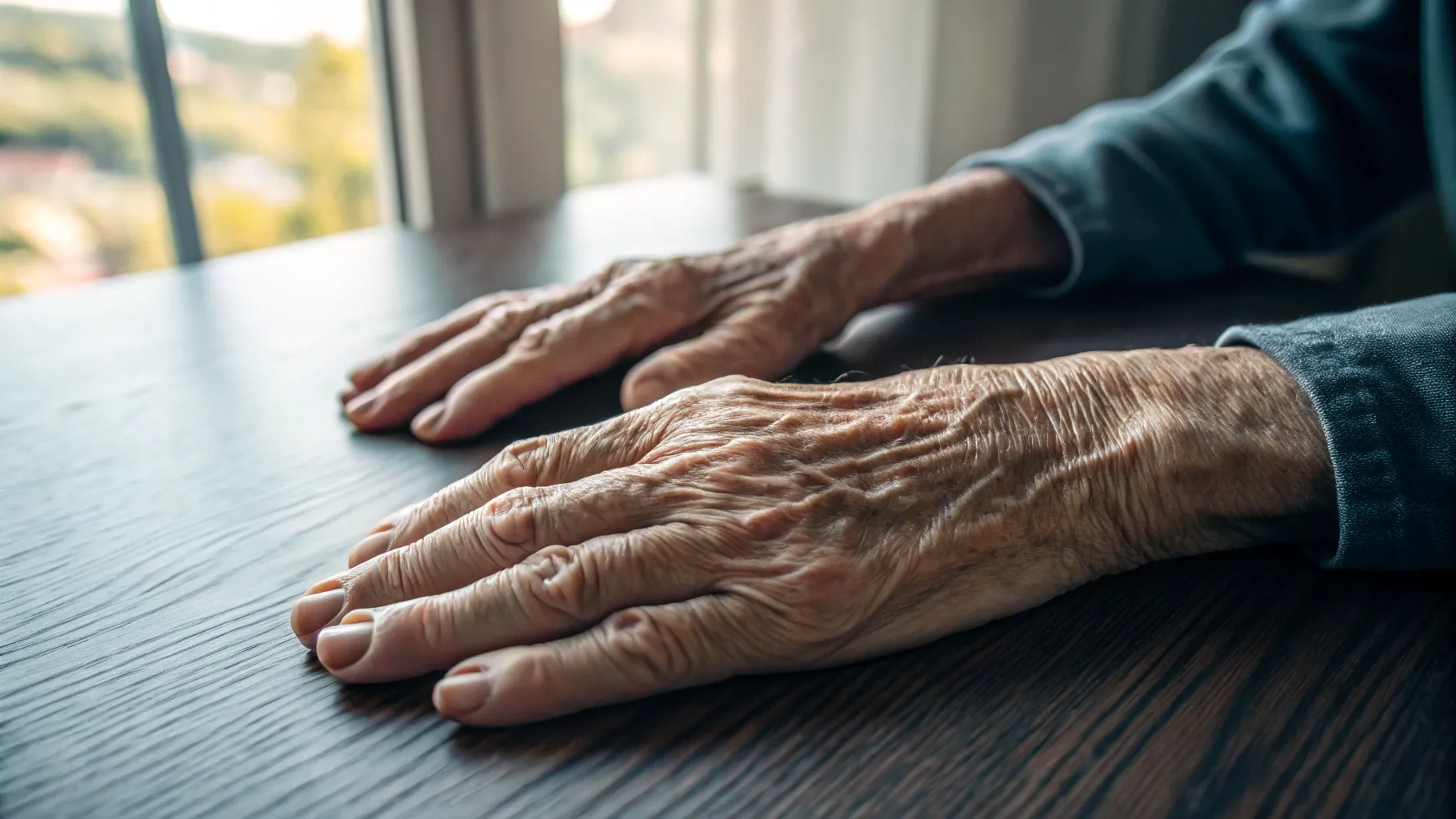
Recognizing Key Hand Osteoarthritis Symptoms
Identifying the signs of this condition early can lead to better long-term outcomes. The hand osteoarthritis symptoms can vary in intensity but typically develop gradually. It's crucial to distinguish these symptoms from other forms of arthritis or hand conditions. One of the most common indicators is a deep, aching pain, especially after periods of overuse, such as gardening or knitting. This pain often occurs at the base of the thumb or in the joints of the fingers.
- Stiffness: Many people experience significant stiffness in their hands, particularly in the morning or after a period of inactivity. This can make simple tasks feel monumental.
- Swelling: The affected osteoarthritis in hand joints may appear swollen and feel tender to the touch. This is due to inflammation within the joint.
- Reduced Range of Motion: As the cartilage wears away, you might find it difficult to move your fingers and thumb fully. Bending the fingers or making a fist can become challenging.
- Bony Nodules: Hard, bony lumps may form on the finger joints. When they appear on the middle joint of the finger, they are called Bouchard's nodes, and when on the joint closest to the fingertip, they are known as Heberden's nodes. These are classic signs of osteoarthritis in hands and fingers.
- Weakness: A weakened grip is a frequent complaint, making it hard to open jars, turn keys, or securely hold objects.
Investigating the Primary Causes of Hand Osteoarthritis
While the exact mechanism is complex, several factors are known to contribute to the development of this condition. The primary causes of hand osteoarthritis are a combination of genetic predisposition and environmental factors. It is not caused by a single event but rather a culmination of influences over a person's lifetime.
Age is the most significant risk factor; the natural wear and tear on joints over many years leads to cartilage breakdown. Genetics also plays a substantial role. If your parents or siblings have osteoarthritis in hand, you are more likely to develop it. Certain genetic traits can affect the composition of cartilage, making it more susceptible to degradation. Previous hand injuries, such as fractures or dislocations, can also increase the risk of developing osteoarthritis in the affected joint years later. Lastly, certain occupations or hobbies that place repetitive stress on the hands can accelerate cartilage wear, contributing to the onset of osteoarthritis in hands and fingers.
The Diagnostic Process for Osteoarthritis in Hands
A definitive diagnosis is crucial for creating an effective treatment plan. The process typically begins with a thorough physical examination by a healthcare provider. They will assess your hands for swelling, tenderness, bony nodules, and limitations in your range of motion. You will be asked about your medical history and the specific nature of your hand osteoarthritis symptoms. To confirm the diagnosis and rule out other conditions, imaging tests are often employed. X-rays are highly effective at revealing the characteristic signs of osteoarthritis in hand joints, such as cartilage loss (seen as a narrowing of the joint space), bone spurs, and other bony changes. While not always necessary, blood tests may be ordered to exclude other forms of arthritis, like rheumatoid arthritis, which is an autoimmune disease.
Actionable Strategies for Managing Osteoarthritis In Hands
While there is no cure for osteoarthritis, various treatments can effectively manage symptoms, improve function, and slow the disease's progression. A multi-faceted approach combining lifestyle modifications, therapy, and medical interventions often yields the best results for those with osteoarthritis in hand.
- Exercise and Physical Therapy: A certified hand therapist can teach you specific exercises to improve flexibility, range of motion, and strength in your hands. These exercises are vital for maintaining joint health.
- Pain and Anti-inflammatory Medications: Over-the-counter options like acetaminophen or nonsteroidal anti-inflammatory drugs (NSAIDs) can help manage pain and reduce swelling. Topical creams and gels containing NSAIDs or capsaicin are also effective for localized relief.
- Heat and Cold Therapy: Applying a warm compress can help soothe stiff joints and relax muscles. Conversely, applying a cold pack can help reduce swelling and numb acute pain.
- Assistive Devices: Splints or braces can support the joints, reduce strain, and alleviate pain, especially for the thumb. Other ergonomic tools, like jar openers and specialized kitchen utensils, can make daily tasks easier.
- Injections: For more severe pain, a doctor may recommend corticosteroid injections directly into the affected joint to provide temporary but powerful relief from inflammation and pain.
Frequently Asked Questions
What are the first signs of osteoarthritis in hand?
The earliest signs often include a dull, aching pain in the finger joints or at the base of the thumb, particularly after use. Morning stiffness that gradually eases with movement is also a very common initial symptom.
Can osteoarthritis in hands and fingers be reversed?
Currently, there is no cure that can reverse the cartilage damage caused by osteoarthritis. However, treatments are highly effective at managing symptoms, slowing progression, and improving the quality of life.
How does a doctor diagnose osteoarthritis in hand joints?
A diagnosis is typically made based on a combination of a physical examination, a review of your symptoms and medical history, and imaging tests like X-rays, which can show joint space narrowing and bone spurs characteristic of the condition.
References
- American College of Rheumatology Guidelines
- Arthritis Foundation Hand Pain Resources
- National Institute on Aging - Osteoarthritis Information
- Journal of Hand Therapy Studies
Authored by FreshLifeWire team