Ultimate Guide to Itchy Skin Treatment: Causes, Creams, and Remedies
Facts:
- Over 20% of the global population experiences chronic pruritus (itchy skin).
- A rising trend in searching for natural itchy skin treatment options for sensitive skin.
Understanding the Root of the Itch: Common Causes of Persistent Skin Discomfort
Persistent itching, medically known as pruritus, can be a frustrating and debilitating condition that significantly impacts one's quality of life. Finding an effective itchy skin treatment begins with understanding the underlying problem. The sensation is a complex signal from your nervous system, but identifying the specific trigger is key. There are numerous potential itchy skin causes, ranging from simple dry skin (xerosis) to more complex internal diseases or allergic reactions. Environmental factors like low humidity, exposure to irritants, and even stress can exacerbate the problem. By pinpointing the root cause, you can select a more targeted and successful remedy for itchy skin, moving beyond temporary relief to achieve long-term comfort.
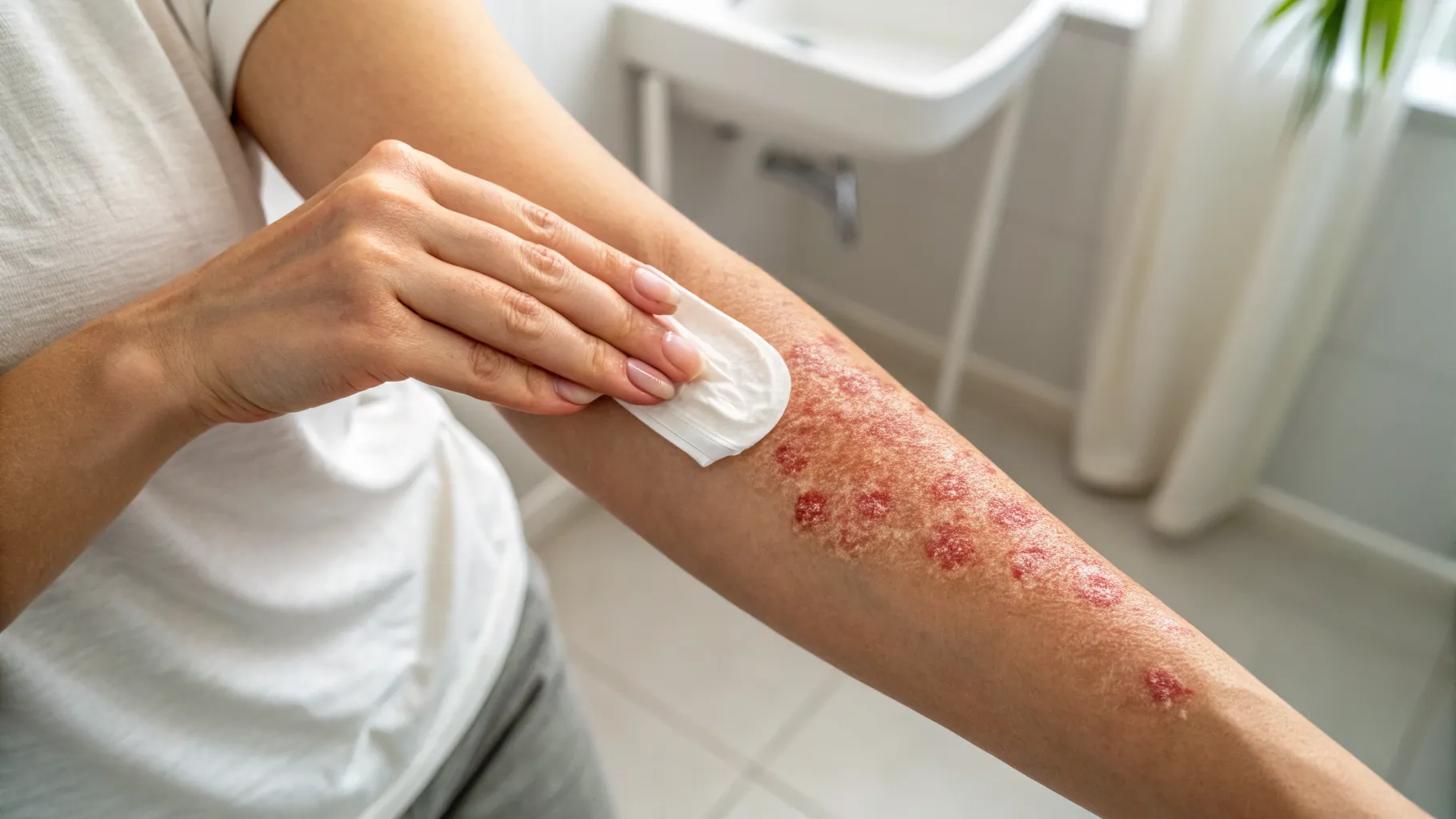
Effective Over-the-Counter Itchy Skin Creams and Ointments
The first line of defense for many people seeking an itchy skin treatment is the local pharmacy aisle. The market is filled with a variety of itchy skin creams, each formulated to address different triggers. For itch caused by inflammation from insect bites or mild rashes, a low-strength hydrocortisone cream can be very effective. For allergic reactions like hives, creams containing antihistamines can provide relief. However, for general dryness and itchiness, the best options are thick, emollient-rich moisturizers containing ingredients like ceramides, hyaluronic acid, and oatmeal. These ingredients work to repair the skin's barrier, lock in moisture, and provide a soothing effect. It's crucial to look for products that are fragrance-free and hypoallergenic to avoid further irritation when seeking a remedy for itchy skin.
Proven Home Remedies for Immediate Itchy Skin Relief
When you need a quick and accessible remedy for itchy skin, several home-based strategies can provide significant comfort. These methods focus on cooling, soothing, and moisturizing the skin to break the itch-scratch cycle. A comprehensive at-home itchy skin treatment plan can make a world of difference. Here are some of the most effective techniques:
- Cool Compresses: Applying a cool, wet cloth or an ice pack wrapped in a towel to the affected area for 15-20 minutes can help reduce inflammation and numb the nerve endings that transmit itch signals. This is a simple yet powerful way to get immediate relief.
- Colloidal Oatmeal Baths: Oatmeal has anti-inflammatory and moisturizing properties. Adding finely ground colloidal oatmeal to a lukewarm bath and soaking for 15-20 minutes can soothe widespread itching. Avoid hot water, as it can strip the skin of its natural oils and worsen dryness.
- Baking Soda Paste: Creating a paste with baking soda and a little water can be an effective spot treatment. Apply it to the itchy area, let it dry, and then gently rinse it off. Its alkaline nature can help neutralize pH and calm the skin.
- Wear Loose, Natural Fabrics: Tight clothing and synthetic fabrics like polyester can trap heat and irritate the skin. Opt for loose-fitting clothes made from soft, breathable materials like cotton or silk to minimize friction and allow your skin to breathe.
Deciphering the Mystery of Itchy Skin at Night
Many people find their itching intensifies after the sun goes down, leading to a frustrating experience of itchy skin at night. This phenomenon isn't just in your head; there are physiological reasons behind it. Firstly, your body's natural circadian rhythms cause changes in skin temperature and blood flow in the evening, which can increase the sensation of itching. Secondly, the production of corticosteroids, your body's natural anti-inflammatory hormones, decreases at night. Finally, transepidermal water loss is higher during the night, leading to drier skin. To combat itchy skin at night, it's essential to moisturize heavily before bed, keep your bedroom cool, and use a humidifier to add moisture to the air. Choosing the right nighttime itchy skin treatment is crucial for a restful sleep.
Professional vs. At-Home: When to See a Doctor
While many cases of itching can be managed at home, it's important to recognize when professional medical advice is needed. If your itching is severe, lasts for more than two weeks, or is accompanied by other symptoms like fever, weight loss, or fatigue, it's time to consult a dermatologist. A doctor can help identify more serious itchy skin causes, such as eczema, psoriasis, or even internal conditions like liver or kidney disease. A professional itchy skin treatment plan may involve prescription-strength itchy skin creams, oral medications like antihistamines or corticosteroids, or advanced therapies like phototherapy (light therapy). While a home remedy for itchy skin is great for mild cases, a doctor can provide a definitive diagnosis and a more powerful treatment plan for persistent and severe conditions.
Frequently Asked Questions
What is the fastest remedy for itchy skin?
The fastest remedy for itchy skin is often applying a cold compress or an ice pack to the affected area. This can quickly numb the nerves and reduce inflammation, providing almost instant relief. For a more sustained effect, an over-the-counter hydrocortisone cream can also work rapidly on localized itching from bites or rashes.
Can diet be one of the itchy skin causes?
Absolutely. Diet can be one of the significant itchy skin causes. Food allergies or sensitivities to things like dairy, gluten, nuts, or shellfish can manifest as skin-related symptoms, including itching and hives. Additionally, a diet lacking in essential fatty acids can contribute to dry skin, which is a common trigger for itching.
How do I choose the best among many itchy skin creams?
Choosing from the vast array of itchy skin creams depends on the cause of your itch. For general dryness, look for thick creams with ceramides and hyaluronic acid. For inflammation and rashes, a 1% hydrocortisone cream is a good starting point. For allergy-related itching, an antihistamine cream may be helpful. Always choose fragrance-free and hypoallergenic options to prevent further irritation.
References
- American Academy of Dermatology Association - Pruritus: Diagnosis and Treatment
- National Institute on Aging - Skin Care and Aging
- Journal of Clinical and Aesthetic Dermatology - The Itch-Scratch Cycle: A Review of the Mechanisms
- National Eczema Association - Managing Itch
Authored by FreshLifeWire team