Discover Italy in Style: A Guide to Affordable Luxury Train Tours
Traveling through Italy by train is a classic European experience, offering a unique perspective on the country's diverse and stunning landscapes. While the idea of a luxury train tour might conjure images of sky-high prices, there is a growing market for 'affordable luxury' options that provide enhanced comfort and scenic views without demanding a fortune. These journeys blend the efficiency of Italy's rail network with upgraded amenities, making for a memorable and accessible way to explore the peninsula.
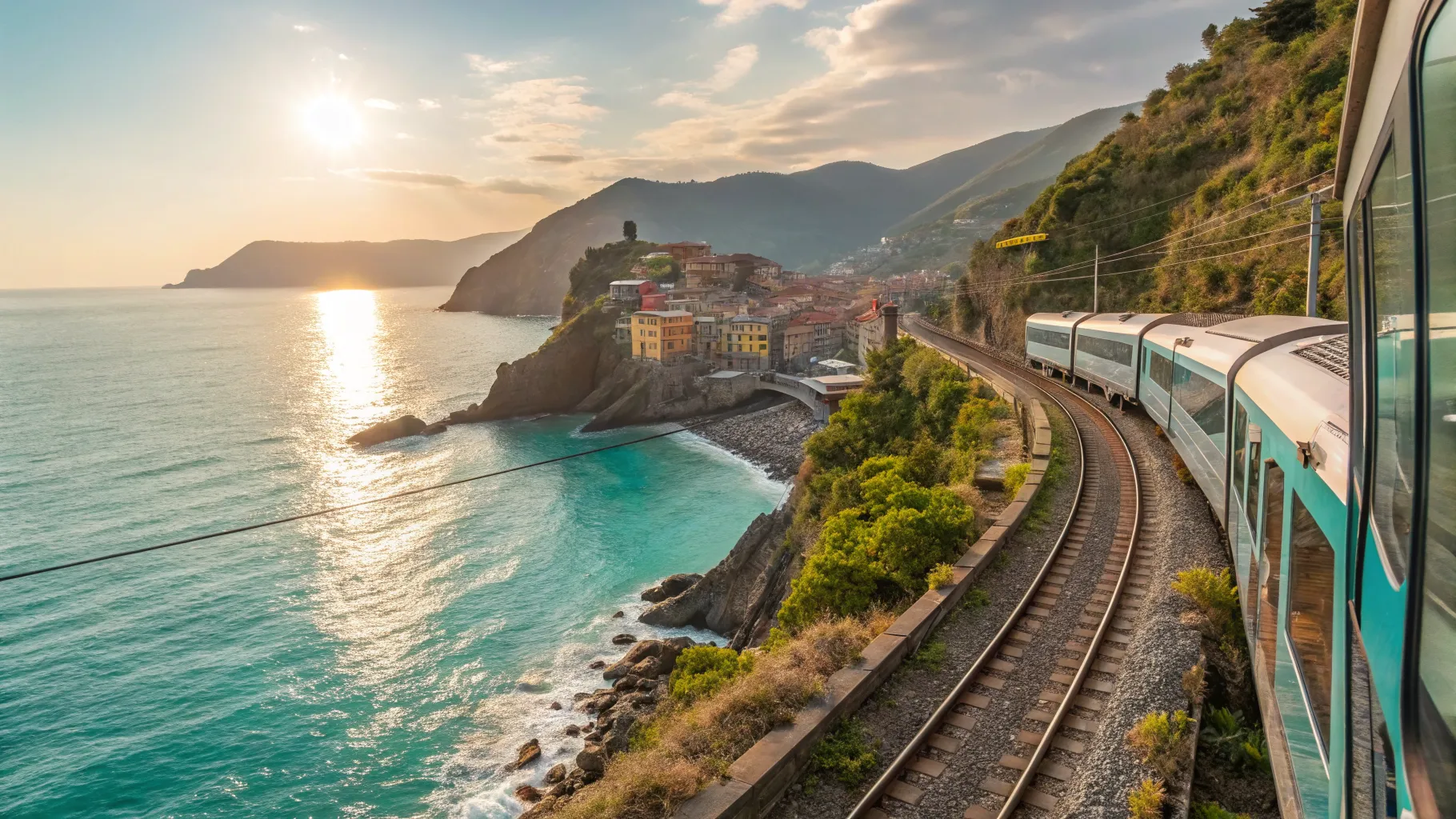
What Is 'Affordable Luxury' in Train Travel?
Affordable luxury rail travel occupies the space between a standard second-class ticket and the opulent, all-inclusive private trains. It's about maximizing comfort, convenience, and experience for a reasonable premium. Instead of a cramped seat, you might get a spacious, reclining chair in a quieter carriage with more legroom and dedicated luggage space. It often means access to better onboard services and a more relaxing travel environment.
Perks that define this category can include welcome drinks, at-seat service for snacks and beverages, complimentary Wi-Fi, and power outlets at every seat. Some high-speed trains offer business or executive-class tiers that fit this description perfectly. The 'luxury' aspect also comes from the journey itself, focusing on panoramic windows that frame the rolling hills of Tuscany or the dramatic Amalfi Coast, turning the travel time into a scenic main event.
Exploring Italy's Most Scenic Train Routes
Italy's geography makes it a treasure trove of picturesque train journeys. One of the most famous is the route through Cinque Terre, where regional trains connect the five cliffside villages, offering breathtaking views of the Ligurian Sea. While not a luxury train in itself, booking a first-class ticket can provide a more comfortable experience on this popular line. Another spectacular journey is the Bernina Express, a UNESCO World Heritage route that connects Tirano, Italy, with St. Moritz, Switzerland, passing through the Alps with its iconic red carriages and panoramic windows.
For a classic Italian vista, the routes through Tuscany are unbeatable. A high-speed train from Florence to Rome cuts through the heart of the region, showcasing vineyards, olive groves, and hilltop towns. For a slower, more intimate experience, regional trains meander through areas like the Val d'Orcia. Similarly, the journey south from Naples towards Sicily involves the unique experience of the train being shunted onto a ferry to cross the Strait of Messina, offering a unique maritime leg to your rail adventure.
Understanding Italian Train Services and Passes
Italy's rail network is primarily operated by Trenitalia, the state-run company, and Italo, a private competitor. Both offer high-speed services connecting major cities like Milan, Venice, Florence, Rome, and Naples. These trains, known as Frecciarossa (Trenitalia) and AGV (Italo), have multiple classes of service. Their premium or business classes are often the key to an affordable luxury experience, offering the extra comforts mentioned earlier.
For travelers planning multiple stops, a rail pass might be a cost-effective option. The Trenitalia Pass is designed for tourists and allows for a set number of journeys within a specific period. It is valid on high-speed, Intercity, and regional trains, though seat reservations on high-speed services are often required at an additional small fee. Carefully comparing the cost of a pass against individual point-to-point tickets is essential to determine the best value for your specific itinerary.
Crafting a Custom Itinerary: Rome, Florence, and Beyond
One of the greatest advantages of train travel is the flexibility to create a custom vacation. A classic first-timer's route often includes Rome, Florence, and Venice, all easily connected by high-speed rail in just a few hours. This allows you to wake up in Rome, enjoy lunch in Florence, and watch the sunset in Venice. To make it more affordable, consider traveling in the shoulder seasons (April-May and September-October) when weather is pleasant and prices are lower than the summer peak.
When planning, look at the train schedules in advance. Booking high-speed tickets weeks or even months ahead can result in significant savings, as pricing is dynamic. Don't overlook smaller, charming towns that are accessible via regional trains. For example, from Florence, you can easily take day trips to Pisa, Lucca, or Siena. This 'hub and spoke' approach allows you to stay in one city while exploring the surrounding region without the hassle of changing hotels every night.
All-Inclusive Packages vs. Independent Booking
Travelers have two main options for organizing their trip: booking an all-inclusive package or arranging everything independently. An all-inclusive or executive rail package typically bundles train tickets, hotel accommodations, and sometimes guided tours or transfers. The primary benefit is convenience, as a travel company handles all the logistics. This can be a great option for those who prefer a structured itinerary and want to avoid the complexities of booking everything separately.
On the other hand, booking independently offers maximum flexibility and control over your budget. You can choose your exact trains, hotels, and activities. This approach may require more research but can often lead to cost savings and a more personalized experience. You can mix and match train classes, perhaps splurging on a business-class ticket for a long scenic journey while opting for standard class on a short commuter hop.
What to Look for in a Tour Provider
If you opt for a pre-arranged package, it's important to choose a reputable provider. Start by reading recent reviews from other travelers to gauge their experiences. A trustworthy company will provide a clear, detailed itinerary that outlines exactly what is included in the price. Pay close attention to the fine print to understand what costs extra, such as city taxes, optional excursions, or meals.
Here are a few things to check before booking a package:
- Transparency: The total cost and what it covers should be stated upfront, with no hidden fees.
- Accommodation Quality: Look up the hotels included in the package to ensure they meet your standards. Note their location and proximity to train stations.
- Pacing: Check the itinerary to make sure the pace isn't too rushed. A good tour allows for a balance of guided activities and free time for personal exploration.
- Support: Find out what kind of support the company offers during your trip in case of delays, cancellations, or other issues.
Authored by FreshLifeWire team