A Guide to 7-Day Baltic Sea Cruises
A seven-day cruise through the Baltic Sea offers a fantastic snapshot of Northern Europe's rich history, stunning architecture, and diverse cultures. This week-long voyage provides a whirlwind tour of some of the region's most iconic capital cities and charming coastal towns. It's an efficient way to visit multiple countries without the hassle of arranging trains, flights, and hotels for each stop, allowing you to unpack once and wake up to a new view each morning.
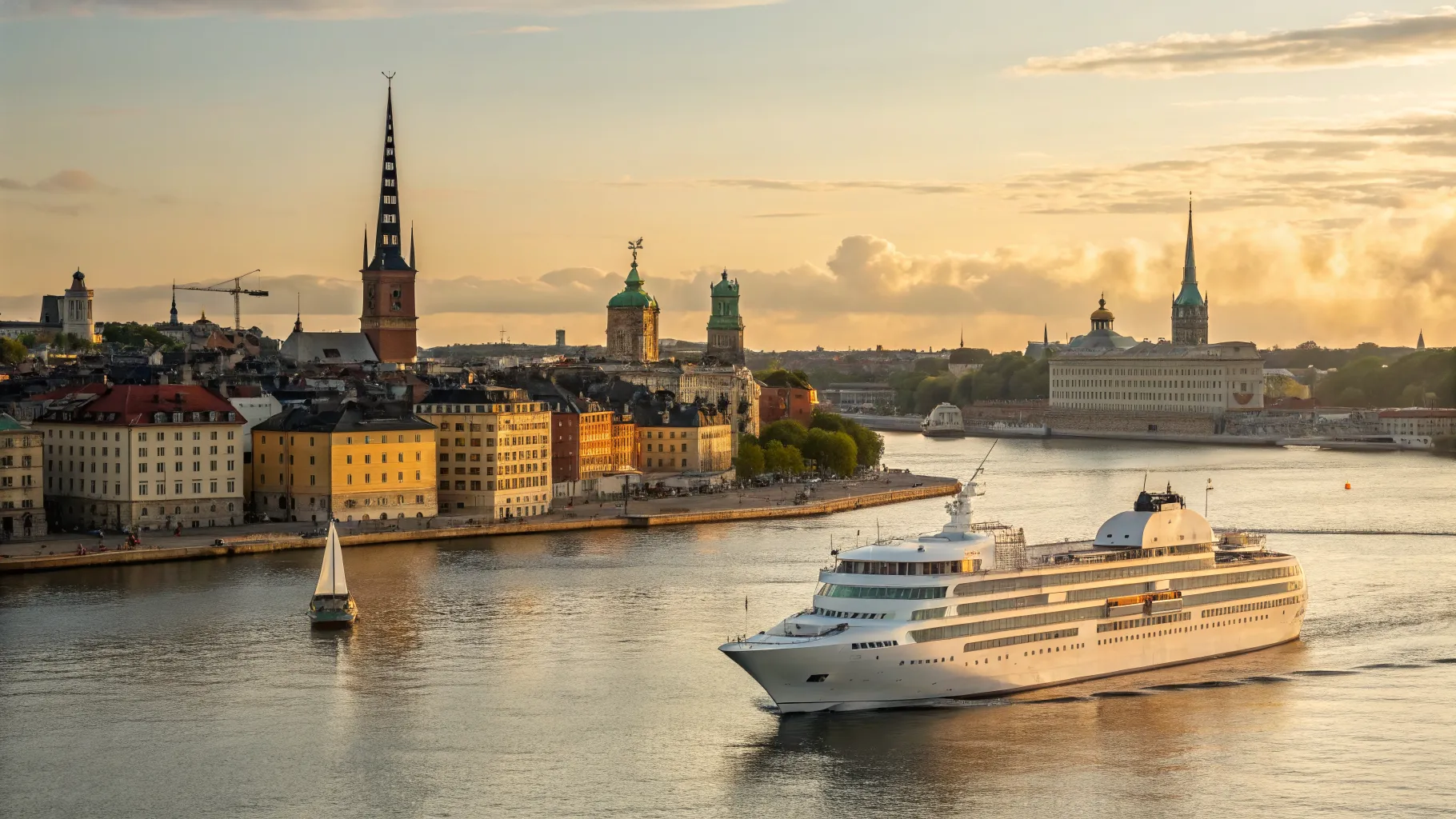
What to Expect on a Baltic Itinerary
A 7-day Baltic cruise is typically a fast-paced journey designed to maximize the number of destinations you can experience. Most itineraries include a mix of major capitals and smaller, scenic ports. You can expect days to be filled with shore excursions, whether guided or self-explored, followed by evenings on the ship where you can relax, dine, and enjoy onboard entertainment. Because of the compact nature of the trip, you will likely have one or two 'sea days' where the ship travels between distant ports, giving you a chance to enjoy the vessel's amenities.
These cruises offer a sampler of the region. While a single day in a city like Stockholm or Helsinki won't reveal all its secrets, it provides a wonderful introduction. You will get to see the highlights, taste local foods, and experience the unique atmosphere of each location. It is an ideal choice for travelers who want an overview of the Baltic or are trying to decide which areas they might want to return to for a longer visit in the future.
Common Ports of Call
While itineraries vary between cruise lines, most 7-day Baltic voyages feature a selection of celebrated ports. These destinations are chosen for their historical significance, cultural attractions, and accessibility from the sea. You will often find a blend of Scandinavian and Eastern European influences.
Some of the most frequently visited cities include:
- Copenhagen, Denmark: Often a departure or arrival port, known for its colorful Nyhavn harbor, Tivoli Gardens, and royal palaces.
- Stockholm, Sweden: Spread across 14 islands, this city features the historic Gamla Stan (Old Town) and the impressive Vasa Museum.
- Helsinki, Finland: A hub of modern design and architecture, offering unique sites like the Rock Church and Suomenlinna sea fortress.
- Tallinn, Estonia: Famous for its incredibly well-preserved medieval Old Town, a UNESCO World Heritage site with cobblestone streets and ancient city walls.
- Warnemünde (for Berlin), Germany: This port serves as the gateway to Berlin, which is usually a full-day excursion requiring a few hours of travel inland.
It is important to note that historically, St. Petersburg, Russia, was a highlight of many Baltic cruises. However, due to ongoing geopolitical events, most cruise lines have suspended calls to Russian ports. Always check the most current itineraries when planning your trip.
Choosing the Right Cruise Line
The Baltic Sea is a popular region served by a wide range of cruise lines, catering to different budgets and travel styles. Your experience can vary significantly based on the operator you choose. Generally, cruise lines fall into a few main categories: contemporary, premium, and luxury. Contemporary lines are often family-friendly and offer a bustling, resort-like atmosphere with many activities and dining options.
Premium lines tend to offer a more refined experience with a focus on high-quality dining, sophisticated enrichment programs, and more spacious accommodations. Luxury lines provide the most inclusive experience, often with smaller ships, a higher staff-to-guest ratio, and fares that cover gratuities, beverages, and sometimes even shore excursions. When researching, consider what is most important to you, whether it is onboard activities, culinary experiences, or the level of all-inclusive service.
The Best Time to Cruise the Baltic
The Baltic Sea cruise season is relatively short, running from late spring to early fall, typically from May through September. This period offers the most pleasant weather for exploring the various ports. The peak season is June through August, when you can expect the warmest temperatures and the famous 'white nights' or 'midnight sun,' where daylight extends late into the evening, especially in the more northern cities.
Traveling during the shoulder months of May or September can have its advantages. You may find slightly lower fares and fewer crowds in popular tourist areas. However, the weather can be more unpredictable, with a higher chance of cooler temperatures and rain. Regardless of when you go, packing layers is essential, as weather conditions can change quickly even in the middle of summer.
Making the Most of Shore Excursions
Shore excursions are a major part of any cruise experience, and in the Baltic, they are your ticket to exploring centuries of history and culture. Cruise lines offer a wide variety of organized tours that you can book in advance or once onboard. These range from guided walking tours of historic city centers and panoramic bus tours to more specialized experiences like canal boat trips in Stockholm or visits to the Hermitage Museum (when available). Booking through the cruise line offers convenience and the guarantee that the ship will wait if your tour is delayed.
Alternatively, many travelers prefer to explore ports independently. Most Baltic ports are conveniently located, allowing you to walk or take public transport into the main city areas. Researching each port in advance can help you create your own itinerary, focusing on the sights that interest you most. This option offers greater flexibility and can often be more budget-friendly. Just be sure to keep a close eye on the time to ensure you return to the ship well before its scheduled departure.
Packing and Preparation Tips
Packing for a Baltic cruise requires some strategic planning due to the variable weather. The most important rule is to pack layers. Bring a mix of short-sleeved and long-sleeved shirts, sweaters or fleeces, and a waterproof and windproof jacket. Even on a sunny day, it can be cool and windy on the deck of the ship or along the coast.
Comfortable walking shoes are an absolute must, as you will likely be spending many hours on your feet exploring cobblestone streets. It is also wise to pack a slightly dressier outfit or two, as many cruise lines have formal or 'smart casual' nights in their main dining rooms. Other useful items include a small backpack for day trips, a portable power bank for your electronics, any necessary medications, and a reusable water bottle. Finally, check the currency for each country on your itinerary, as not all use the Euro, particularly Sweden and Denmark.
Authored by FreshLifeWire team