Your Guide to a Budget Friendly Metal Roof: Options & Costs
Facts:
- Metal roofs can last up to 40-70 years, significantly longer than traditional shingles.
- Recycled content is a growing trend for budget friendly metal roof options.
Unlocking Affordability: Your Comprehensive Guide to a Budget Friendly Metal Roof
For decades, homeowners associated metal roofing with high-end architectural designs or industrial buildings, often perceiving it as an unattainable luxury. However, advancements in manufacturing and a wider range of available materials have made a durable, long-lasting metal roof a surprisingly accessible option for many. Choosing the right system means you can secure a roof that offers superior protection, energy efficiency, and aesthetic appeal without depleting your savings. This guide will explore the most popular budget friendly metal roof options, break down the primary metal roofing cost factors, and provide essential information on durability and maintenance basics to help you make an informed investment in your home's future.
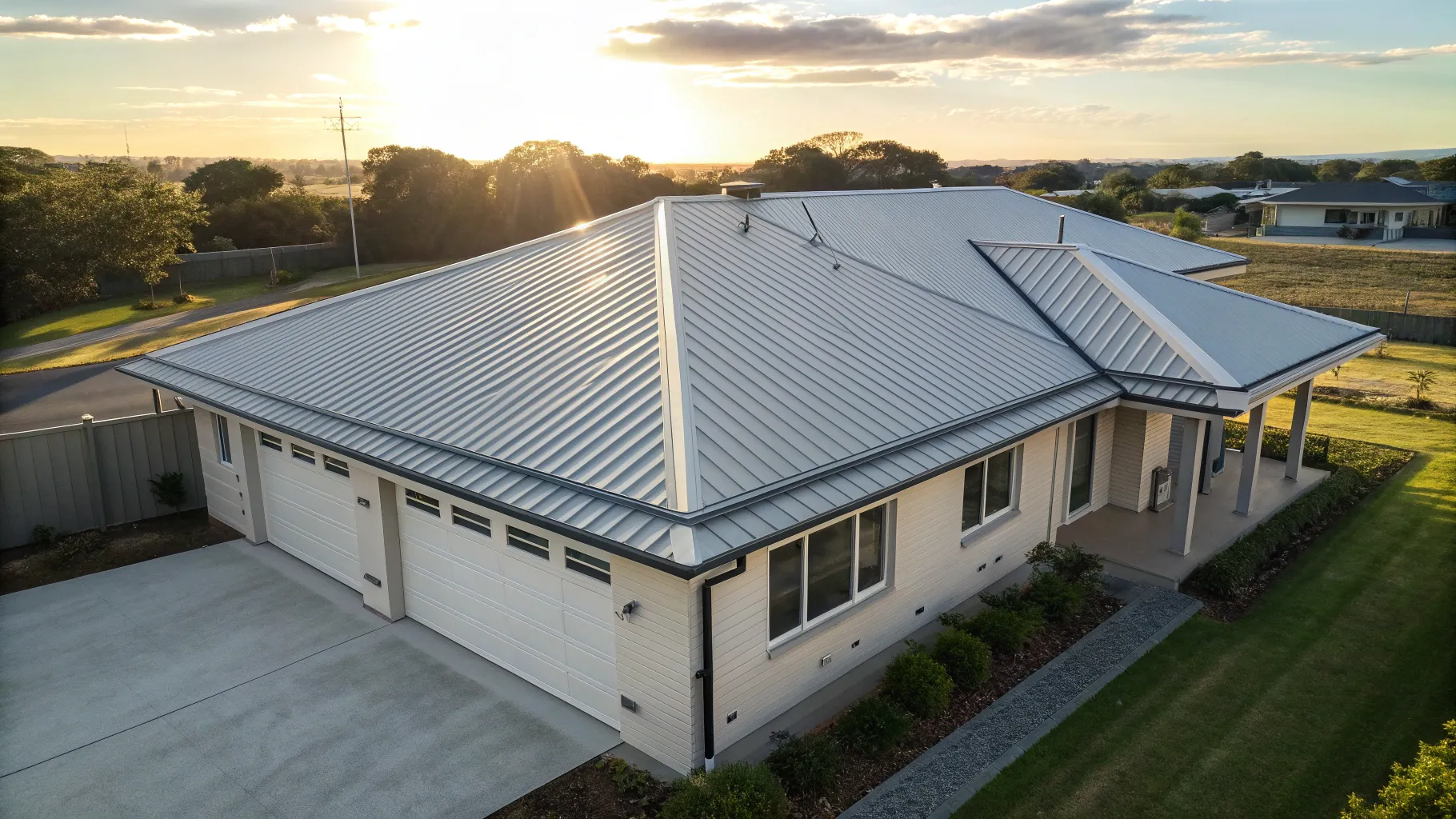
Exploring the Most Budget Friendly Metal Roof Options
When searching for affordability in metal roofing, the specific material and panel profile are the most significant variables. While exotic materials like copper and zinc are on the highest end of the price spectrum, several excellent materials provide the core benefits of metal at a fraction of the cost. Understanding these choices is the first step toward finding a roofing solution that aligns with your financial plan and aesthetic goals. These options are not just cheaper; they are proven, reliable systems used on millions of homes.
Corrugated Steel Panels (Galvalume or Galvanized)
Corrugated panels are often the most economical choice and what many people picture when they think of a classic metal roof. These panels, typically made of steel with a protective coating, are lightweight, durable, and relatively simple to install. Galvanized steel is coated with zinc, while Galvalume steel is coated with a zinc-aluminum alloy, offering enhanced corrosion resistance. This makes them one of the leading budget friendly metal roof options for residential, agricultural, and commercial buildings alike. Their wavy or ribbed profile is excellent for shedding water and snow efficiently.
Aluminum Shingles and Panels
While typically more expensive than steel, aluminum is still a cost-effective option, especially in coastal regions. Its primary advantage is its natural resistance to rust and corrosion, making it ideal for homes exposed to salt spray and high humidity. Aluminum is also incredibly lightweight, which can sometimes reduce structural reinforcement needs and lower overall installation considerations and costs. It's available in various shingle-style profiles and vertical panels, offering more design flexibility than basic corrugated steel.
Exposed Fastener Panels (R-Panels and U-Panels)
These commercial-grade panels have found a strong foothold in the residential market due to their cost-effectiveness and rugged durability. R-Panels and U-Panels are through-fastened systems, meaning the screws penetrate the face of the panel to secure it to the roof deck. This installation method is faster and less labor-intensive than concealed fastener systems, which directly reduces labor costs. They are a fantastic choice when analyzing metal roofing cost factors where performance and value are the top priorities.
Key Metal Roofing Cost Factors to Consider
The final price of your new roof is influenced by much more than just the panels themselves. A variety of factors contribute to the total cost, and understanding them will help you budget accurately and avoid surprises. A comprehensive quote should always break down these elements, giving you a clear picture of where your money is going. The main drivers of cost include the material, the complexity of your roof's design, and the labor involved.
- Material and Gauge: As discussed, steel is generally the most affordable material. The thickness of the metal, known as its gauge, also plays a role; a thicker gauge (lower number) will cost more but offer better durability and impact resistance.
- Roof Complexity and Pitch: A simple, low-pitched gable roof will be far less expensive to cover than a complex roof with multiple hips, valleys, dormers, and a steep pitch. More angles and a steeper slope require more intricate cuts, additional materials, and significantly more labor time.
- Labor and Installation: This is a major component of the overall cost. Proper installation considerations are critical for a metal roof's performance. Hiring an experienced, certified metal roofing contractor is essential and a worthwhile investment to prevent leaks and ensure longevity.
- Underlayment and Preparation: A high-quality, high-temperature synthetic underlayment is non-negotiable for a metal roof. Costs may also increase if your old roof needs to be torn off and the underlying deck requires repairs before the new roof can be installed.
- Finish and Coating: The type of paint finish affects both the price and the lifespan of the color. While a basic polyester paint is cheaper, a premium Kynar 500 (PVDF) finish offers superior fade and chalk resistance, protecting your investment for decades.
A Closer Look at the Main Types of Metal Roofs
Beyond the material, the construction of the panel system itself is a critical choice. The two primary categories are exposed fastener and standing seam systems. Each has distinct advantages in terms of cost, aesthetics, and performance. The choice between them often comes down to balancing your budget with your long-term goals and desired look. Both are excellent types of metal roofs, but they serve different priorities.
Standing seam roofs feature interlocking panels with fasteners that are completely concealed, offering a sleek, modern appearance and superior protection against leaks. Because the panels are not punctured with screws, they can expand and contract more freely with temperature changes, reducing stress on the system. This premium system comes with a higher price tag due to more complex manufacturing and labor-intensive installation. In contrast, exposed fastener systems, like corrugated or R-panel roofs, are secured with screws that go through the panel into the roof deck. This makes them a top choice for a budget friendly metal roof because installation is faster and simpler. The primary long-term consideration is that the rubber washers on the screws may need to be inspected and potentially replaced after 15-20 years to maintain a perfect seal.
Durability and Maintenance Basics for Your Investment
One of the most compelling reasons to choose a metal roof is its incredible lifespan and minimal upkeep requirements. Proper durability and maintenance basics are simple yet crucial for ensuring your roof lasts for 50 years or more. Unlike asphalt shingles, metal panels will not crack, warp, or rot. They are highly resistant to fire, wind, and hail. Maintenance typically involves an annual visual inspection. You should check for any debris like leaves or branches in the valleys and gutters, ensure flashing around chimneys and vents remains sealed, and on an exposed fastener roof, check that screws are still snug. A simple rinse with a hose can remove dirt and keep the finish looking fresh.
Frequently Asked Questions
What is the cheapest type of metal roof?
The most budget friendly metal roof is typically an exposed fastener system using corrugated panels made from G-60 or G-90 galvanized steel. The combination of affordable material and faster, less complex installation makes it the go-to option for projects where cost is the primary driver.
How do metal roofing cost factors compare to asphalt shingles?
The initial investment for a metal roof is higher than for asphalt shingles. However, when you consider the lifespan, the costs become much more comparable. A metal roof can last two to three times longer than an asphalt shingle roof, meaning you avoid the cost of multiple re-roofing projects over the life of your home. Better energy efficiency can also lead to savings on utility bills.
Are budget friendly metal roof options noisy in the rain?
This is a common misconception. When installed correctly over a solid roof deck with proper underlayment and attic insulation, a metal roof is no louder than any other roofing material. The sound is diffused and muffled by the layers underneath, resulting in a quiet interior during a rainstorm.
References
- Metal Roofing Alliance Installation Manuals
- National Roofing Contractors Association Guidelines
- Homebuilding and Remodeling Cost Analysis Reports
- Architectural Steel and Aluminum Product Data Sheets
Authored by FreshLifeWire team