What Kills Weeds Down to the Root? A Complete Guide
Facts:
- Systemic herbicides are designed to be absorbed and transported throughout a weed.
- A rising trend for gardeners is integrated weed management using multiple control tactics.
Understanding Systemic Action: The Key to Total Weed Elimination
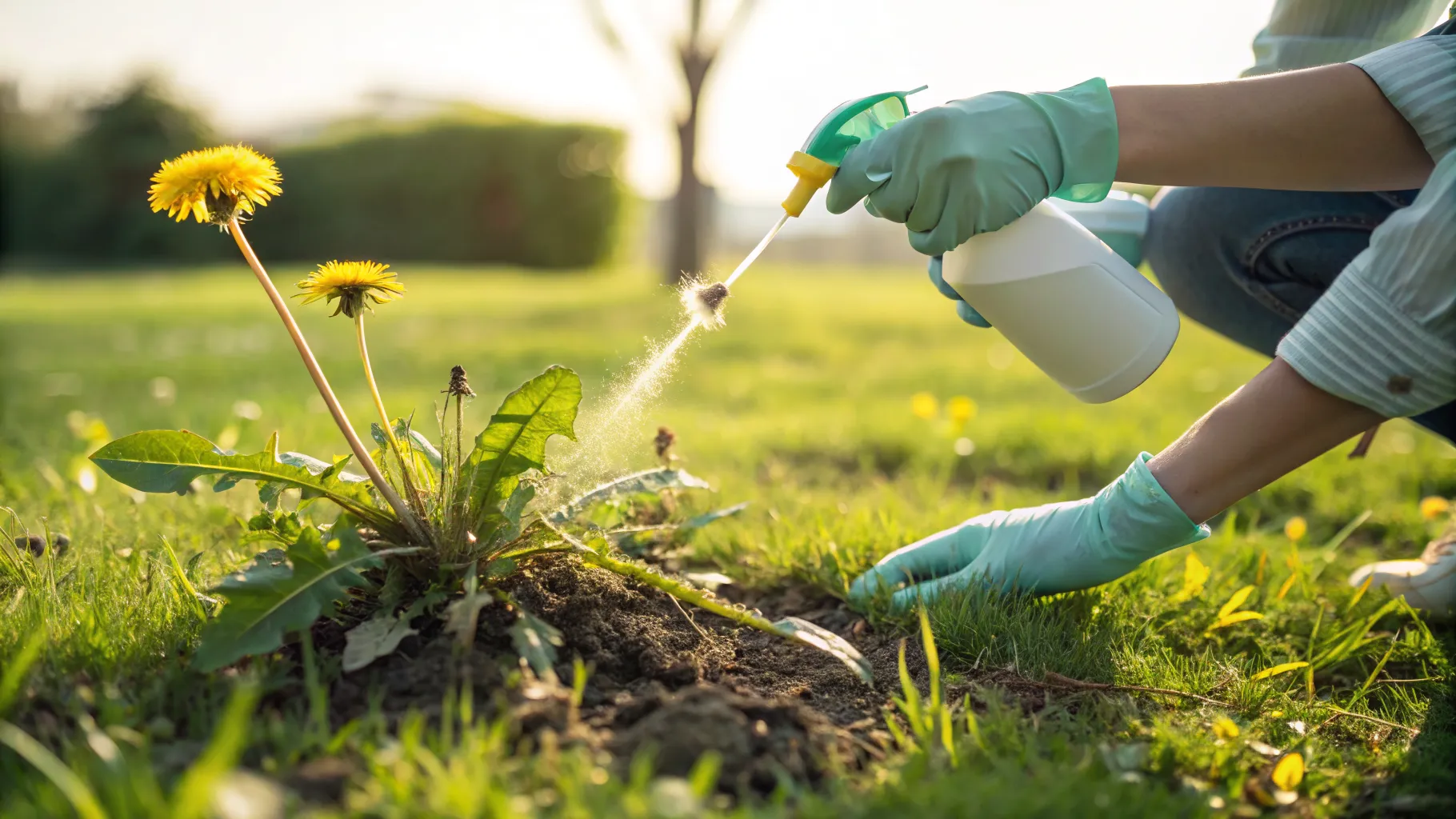
When battling persistent weeds, the ultimate goal is not just to remove what you see on the surface, but to ensure they never return. The central question for every gardener is what kills weeds down to the root. Unlike contact killers that only scorch the leaves, systemic solutions are absorbed by the plant and travel down through its vascular system to destroy the entire organism, from leaf to root tip. This approach is fundamental to effective, long-term weed management and is the most reliable of all weed removal methods. Understanding this process is the first step toward reclaiming your lawn and garden from invasive plants and learning how to kill weeds permanently.
Systemic vs. Contact Herbicides: A Crucial Distinction
In the world of weed control tips, understanding the difference between systemic and contact herbicides is paramount. Contact herbicides act quickly, killing the plant tissue they directly touch, which is usually the leaves and stem. This provides a fast visual result but is often a temporary solution, especially for perennial weeds with deep, established root systems like dandelions or thistles. The roots remain alive and will inevitably sprout new growth. In contrast, systemic herbicides are the true answer to what kills weeds down to the root. They are absorbed by the foliage and translocated throughout the plant, reaching the roots and rhizomes. While they may take longer to show effects, typically 7 to 14 days, the result is complete eradication. This makes them one of the most effective weed removal methods for achieving a lasting, weed-free space.
Top Chemical Solutions That Eradicate Weeds at the Root
For gardeners seeking potent and reliable options, chemical herbicides containing specific active ingredients are highly effective. Glyphosate is the most well-known non-selective systemic herbicide; it kills nearly any plant it touches, making it ideal for clearing large areas but requiring careful application near desirable plants. For lawns, selective herbicides containing ingredients like 2,4-D, dicamba, or quinclorac are designed to target broadleaf weeds without harming the surrounding grass. These selective options are a cornerstone of effective lawn weed management. When applying these products, it is crucial to follow the manufacturer's instructions regarding timing, temperature, and safety precautions. Proper application ensures you know how to kill weeds efficiently while minimizing environmental impact.
Effective Natural and Organic Weed Removal Methods
For those who prefer an organic approach, several methods can effectively kill weeds down to the root. Boiling water is a simple yet potent tool. Pouring it directly onto a weed will cook the plant from the leaves down, and with enough volume, it can damage the root crown, preventing regrowth. Horticultural vinegar (with a higher acetic acid concentration than household vinegar) can also be a powerful contact killer, though it may require multiple applications to exhaust the root's energy reserves. Another excellent technique is soil solarization, which involves covering a weedy area with clear plastic for several weeks during the hottest part of the year. The trapped heat essentially bakes the soil, killing weeds, their seeds, and pathogens. These organic weed removal methods are excellent for gardeners prioritizing soil health and a chemical-free environment.
Actionable Weed Control Tips for Long-Term Success
Preventing weeds before they start is the most effective form of weed management. A healthy, dense lawn is the best defense, as it leaves no room for weeds to establish. Here are some actionable weed control tips:
- Apply Mulch: A thick layer of mulch (2-3 inches) in garden beds blocks sunlight, preventing weed seeds from germinating. This is a fundamental strategy in learning how to kill weeds before they even begin.
- Use Pre-Emergent Herbicides: Applied in early spring and fall, these create a chemical barrier in the soil that stops weed seeds from sprouting. This proactive step is a key part of any serious weed management plan.
- Improve Soil Health: Compacted, unhealthy soil encourages weed growth. Aerating your lawn and amending the soil with compost can create an environment where desirable plants thrive and outcompete weeds.
- Water Deeply and Infrequently: This encourages your plants and turf to develop deep root systems, making them more resilient, while shallow-rooted weeds struggle to survive the dry surface conditions. This is a subtle but powerful technique for weed control.
Frequently Asked Questions
How long does it take for a herbicide to kill weeds down to the root?
The time it takes depends on the product and the type of weed. A systemic herbicide, which is what kills weeds down to the root most effectively, typically shows visible wilting within a few days, but it can take 1 to 3 weeks for the chemical to fully travel to the root system and kill the entire plant.
What are the safest weed removal methods for gardens with pets?
The safest weed removal methods in areas frequented by pets and children are non-chemical. These include manual pulling, using boiling water, or applying horticultural vinegar. Always ensure the area is dry before allowing pets to return if you use any treatment. Proper weed management prioritizes safety.
Are homemade solutions effective for killing weeds permanently?
Some homemade solutions, like salt or strong vinegar, can kill the top growth of weeds. However, they rarely act systemically and are often not the final answer to what kills weeds down to the root. They may require repeated applications and can also harm the surrounding soil, making it difficult for other plants to grow.
References
- University of California Agriculture & Natural Resources - Weed Management Guide
- The Royal Horticultural Society - Weed Control Advice
- Purdue University Extension - Herbicide Application and Weed Control
Authored by FreshLifeWire team