Your Guide to Choosing the Best Spinning Rods for Sale
Understanding Spinning Rods for Sale
As 2025 unfolds, anglers are finding great excitement in purchasing spinning rods designed for both fresh and saltwater fishing. For those venturing into the world of fishing, selecting the right spinning rod can be overwhelming with the myriad of choices available. In this article, we’ll dive deep into how to choose a spinning rod, discuss the best lengths and actions for spinning rods, explore the materials and durability, compare freshwater versus saltwater options, and finally, break down price ranges and their values.
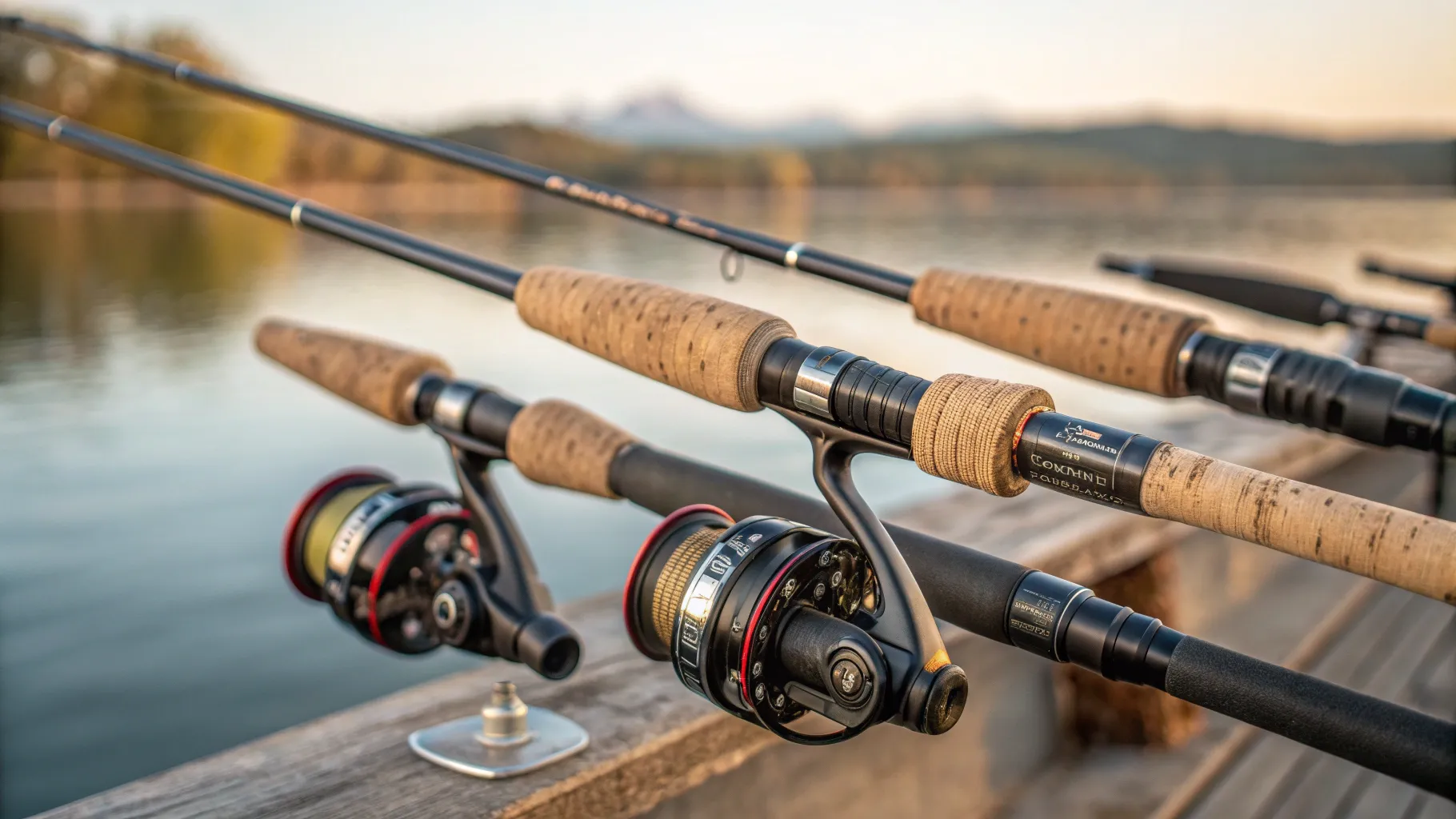
How to Choose a Spinning Rod
Choosing the right spinning rod is crucial to your success on the water. A few key factors need to be kept in mind:
- Purpose: Identify what type of fishing you plan to do. Will you be targeting light panfish or monstrous saltwater species?
- Length: Spinning rods typically range from 5 to 10 feet. Longer rods give you increased casting distance and leverage, whereas shorter rods may offer better control and sensitivity.
- Action: This refers to how much of the rod bends when pressure is applied. Fast action rods bend at the tip, making them suitable for quick hookups, while moderate action rods provide a bit more flexibility and are generally best for larger lures or heavier baits.
For instance, if you’re fishing for bass, a rod length of 6 to 7 feet with medium-heavy action might serve you best. On the other hand, for trout in streams, a shorter, lighter rod excels. Recently, many anglers emphasize the benefits of specific action types based on the species targeted, enhancing their fishing experience.
Best Length and Action for Spinning Rods
When it comes to determining the best length and action for spinning rods, recent data indicates that versatility is key. Anglers who optimize rod selection based on their environment tend to have better results. The standard recommendations are:
- 5 to 6 feet: Ideal for small streams and precise casts to wary fish.
- 6 to 7 feet: The favorite for bass fishing; offers a good balance between casting distance and control.
- 7 to 8 feet: Useful for scenarios requiring longer casts, such as open water or surf fishing.
- 8 to 10 feet: Best suited for professional saltwater fishing, enabling significant distance.
Also, the action preference correlates strongly with the fishing techniques being used. For example, anglers using topwater lures often prefer a moderate to fast action rod, while those using live baits may lean towards moderate action rods.
Spinning Rod Materials and Durability
Modern spinning rods are primarily made from graphite, fiberglass, or composite materials. Each has its own advantages and durability ratings:
- Graphite: Known for its lightweight and strong properties, offering enhanced sensitivity, but it can be brittle and susceptible to damage if mishandled.
- Fiberglass: This material is more durable and flexible, making it excellent for beginners or those fishing in rugged conditions. However, it is generally heavier.
- Composite: Combining the best of both worlds, composite rods provide a good balance of sensitivity and strength, representing an emerging favorite among serious anglers.
According to surveys from the last quarter of 2024, over 70% of users indicated a preference for graphite rods due to their sensitivity, especially among tournament fishers. Durability tests have consistently shown that while fiberglass handles rough environments better, graphite rods that are well-cared-for last many seasons.
Freshwater vs Saltwater Spinning Rods
Understanding whether you need a freshwater or saltwater spinning rod is vital. Saltwater rods are made with materials designed to endure the corrosive effect of salt and have stronger guides and reels to combat larger, more powerful species found in saltwater. In contrast, freshwater rods usually focus on sensitivity and lighter weight for casting smaller lures.
Here is a quick breakdown of their differences:
- Corrosion Resistance: Saltwater rods must withstand harsher conditions, leading to increased use of stainless steel and other protective coatings.
- Reel Compatibility: Saltwater reels are larger and heavier; hence, saltwater rods accommodate these larger setups more effectively.
- Line Capacity: Saltwater setups require higher line capacities to account for long runs of fish such as marlin, while freshwater setups focus on lighter lines.
Recent trends show that crossover rods, which function well in both environments, are gaining popularity thanks to advancements in technology, making them a cost-effective choice for anglers who fish in various settings.
Spinning Rod Price Ranges and Value
The cost of spinning rods can range significantly based on brand, material, and specific features. As of early 2025, here’s a rough breakdown:
- Budget rods: $30 to $75—great for beginners or casual anglers who fish occasionally.
- Mid-range rods: $75 to $150—these typically offer better sensitivity and durability, popular among enthusiastic amateurs.
- High-end rods: $150 and above—targeted toward serious anglers or professionals demanding exceptional performance and tailor-made features.
Investing in a quality spinning rod can pay dividends. A recent survey in the angling community showed that anglers who spent slightly more on rods saw a 30% improvement in catch rates, showcasing the value of doing thorough research before making a purchase.
Ultimately, when searching for spinning rods for sale, consider the factors outlined in this article. With a clear understanding of length, action, materials, and purpose, you'll be better equipped to select the perfect rod that enhances your fishing experience and brings home those trophy catches!
Authored by FreshLifeWire team