Why You Should Never Store Potatoes and Onions Together: Proper Vegetable Storage Tips
Facts:
- Onions release ethylene gas, which accelerates potato sprouting.
- A major trend for home cooks is minimizing food waste through better storage.
The Root Cause: Unpacking the Chemical Warfare in Your Pantry
It's a common sight in kitchens everywhere: a single bowl or drawer filled with both potatoes and onions, ready for the week's meals. While convenient, this practice is one of the most significant food storage mistakes you can make. This seemingly harmless pairing creates a hostile environment where neither vegetable can thrive, leading to premature spoilage and waste. Understanding the science behind proper potatoes and onions storage is the first step toward extending the life of your produce and getting the most value from your groceries.
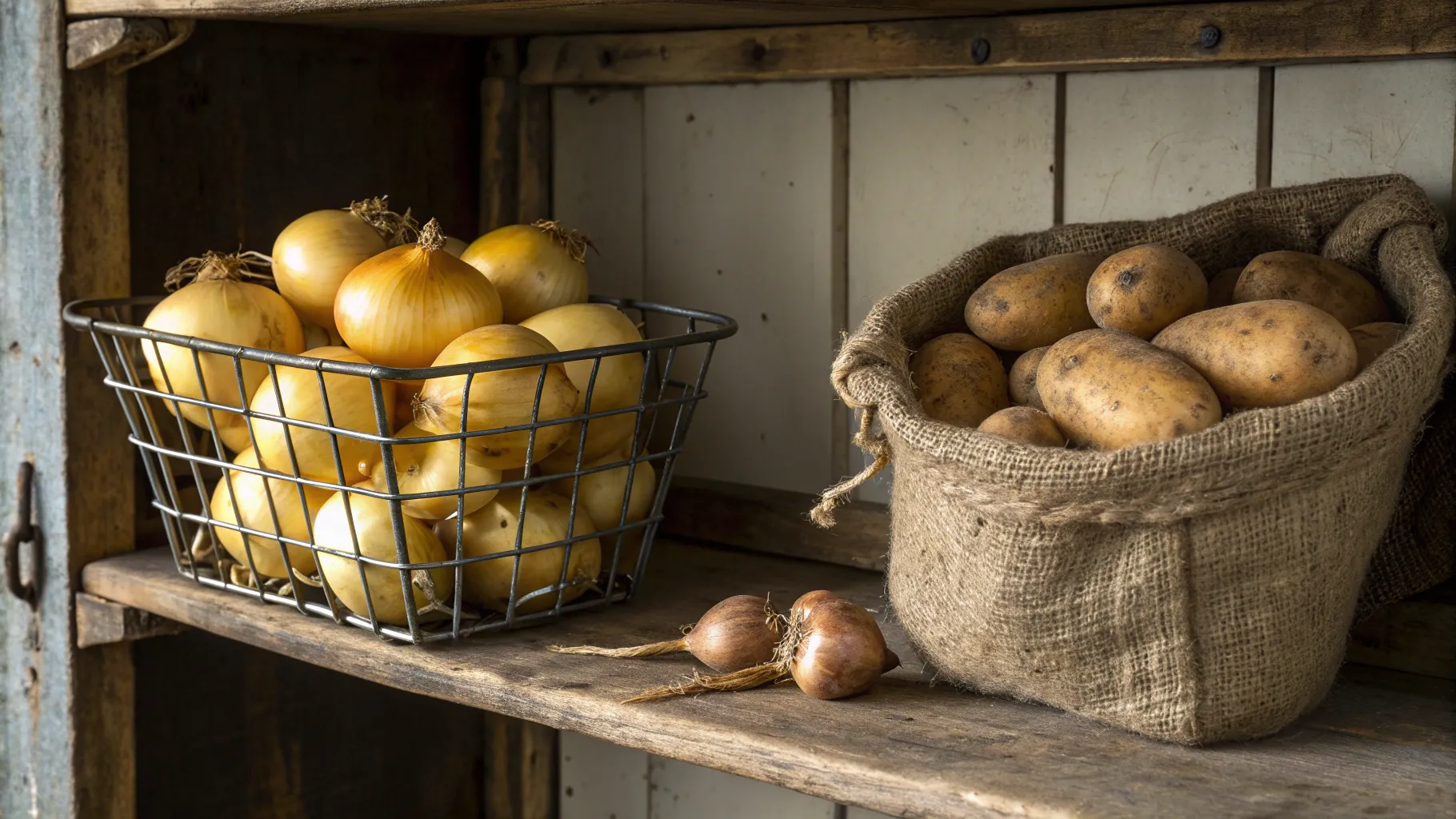
Understanding the Gas Release Effects on Spoilage
The primary reason to keep these two vegetables apart boils down to chemistry. Onions, along with fruits like bananas and apples, are high ethylene gas producers. This naturally occurring plant hormone acts as a ripening agent. When potatoes are exposed to this gas, it triggers them to sprout and soften at an accelerated rate. These gas release effects are not a one-way street. Potatoes have high water content, and they release moisture into the air. This humidity is detrimental to onions, which require a dry environment to stay firm and prevent rot. The moisture from potatoes can cause onions to become soft, mushy, and even moldy. This creates a lose-lose situation for your pantry staples, making proper potatoes and onions storage crucial.
Ideal Conditions and Shelf Life Differences
To truly grasp why they clash, it's essential to understand their vastly different storage needs, which directly impact their longevity. These significant shelf life differences demand separate storage solutions. Potatoes thrive in a cool, dark, and well-ventilated place, ideally between 45-50°F (7-10°C). A pantry, basement, or a dark cupboard works well. They should be kept out of the light to prevent them from turning green and developing solanine, a bitter-tasting compound. Onions, on the other hand, need a cool, dry, and very well-ventilated environment. They prefer slightly warmer temperatures than potatoes and, most importantly, very low humidity. Storing them in a mesh bag or an open basket allows for maximum air circulation, which is key to preventing decay. These conflicting requirements are at the heart of many common food storage mistakes.
The Real Cost of Common Food Storage Mistakes
Ignoring these storage rules does more than just shorten the life of your vegetables; it has tangible consequences. Prematurely sprouted potatoes are not just unappealing; they can also develop higher concentrations of solanine, which can be harmful if consumed in large quantities. Soft, molding onions are unusable and must be thrown away. This constant cycle of spoilage leads to significant food waste, which also translates to financial loss. Every time you have to discard produce, you are essentially throwing money away. Avoiding these basic food storage mistakes is a simple yet effective way to manage your household budget and reduce your environmental footprint. The issue of poor potatoes and onions storage is more impactful than many people realize.
Actionable and Proper Vegetable Storage Tips for Maximum Freshness
Now that you understand the 'why,' let's focus on the 'how.' Implementing a few simple changes can dramatically extend the life of your produce. Here are some of the most effective proper vegetable storage tips to keep your potatoes and onions fresh for weeks, or even months:
- Separate and Designate: The golden rule is to give them their own space. Never store them in the same container, drawer, or bag. Designate one cool, dark spot for potatoes and another cool, dry, well-aired spot for onions.
- Choose the Right Container: For potatoes, use a paper bag, a cardboard box with holes, or a basket. This allows air to circulate while blocking out light. Avoid plastic bags, which trap moisture and accelerate spoilage. For onions, a mesh bag or a wire basket is perfect for promoting airflow and keeping them dry.
- Control the Environment: Keep potatoes away from the refrigerator, as the cold temperature can turn their starch into sugar, affecting taste and texture. Onions can be stored in the fridge for a short period if peeled, but whole, unpeeled onions last longer in a pantry.
- Mind Their Neighbors: Be aware of other ethylene producers. Keep your potatoes away from apples, bananas, and other ripening fruits to prevent premature sprouting. The same goes for any other produce sensitive to ethylene.
What About Other Alliums? Storing Garlic and Shallots
It's natural to wonder if other members of the allium family, like garlic and shallots, should also be kept separate. While garlic and shallots do not produce as much ethylene gas as onions, they still thrive under similar conditions: cool, dry, and with good air circulation. They share the same aversion to moisture that onions do. Therefore, while the gas release effects are less of a concern, it is still best practice to store them separately from potatoes to prevent moisture transfer. Applying these proper vegetable storage tips across all your root vegetables and alliums will yield the best results for longevity and quality.
Frequently Asked Questions
Can I store potatoes and onions together even for a short time?
It is strongly advised against, even for a day or two. The gas release effects from onions begin immediately and will start the sprouting process in potatoes. It's one of the most common food storage mistakes to avoid for optimal freshness.
What exactly happens when I ignore proper potatoes and onions storage guidelines?
Onions release ethylene gas, which causes potatoes to sprout and soften prematurely. Potatoes release moisture, which can cause onions to become soft, sprout, or even mold. You significantly shorten the shelf life of both vegetables.
Besides separating them, what are the most important proper vegetable storage tips?
The key is environment. For potatoes: keep them in a dark, cool, and ventilated space (like a pantry in a paper bag). For onions: keep them in a dry, cool, and very well-ventilated space (like a mesh bag on a hook) to prevent moisture buildup.
References
- National Center for Home Food Preservation
- USDA FoodKeeper Application Guidelines
- Journal of Agricultural and Food Chemistry
Authored by FreshLifeWire team