When to Replace Your Carpet and Best Maintenance Tips
How to Know When Carpet Needs Replacement
Choosing the right moment to replace your carpet can greatly influence the aesthetic and comfort of your home. Several indicators signal that it's time to consider replacing your carpet. One of the most apparent signs is visible damage. If you see rips, tears, or stains that cleaning just can’t remedy, replacement might be necessary. Additionally, if your carpet feels worn or thin, it can be a cue that the fibers have reached their end of life. According to a report by the International Institute of Carpet and Textile Cleaning, carpets generally last anywhere from 5 to 15 years depending on the quality and foot traffic.
Factors Influencing Carpet Wear
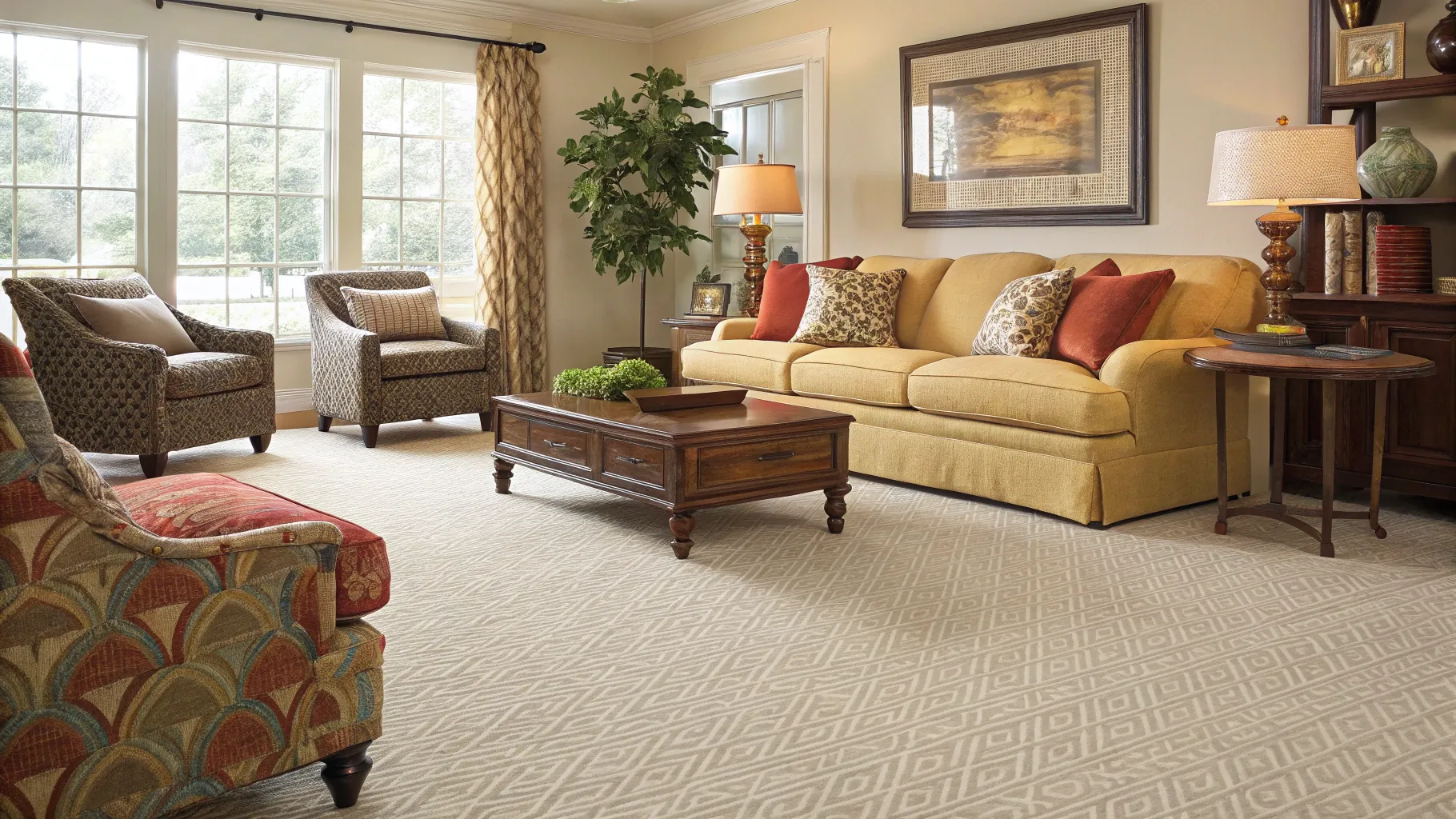
Carpets wear out over time due to several reasons, including foot traffic, poor maintenance, and environmental factors. High-traffic areas, such as hallways and living rooms, tend to show signs of wear more quickly than lesser-used areas. Moreover, the type of material plays a significant role in longevity. Natural fibers like wool may have a different durability compared to synthetic options such as nylon.
- Humidity: High humidity can adversely affect the integrity of your carpet. When humidity levels remain elevated, it can lead to the growth of mold and mildew in your carpets, particularly if they are wet. In regions where humidity is a concern, regular maintenance becomes crucial.
- Sunlight: Direct sunlight can weaken carpet fibers causing fading over time too. If you notice your carpet discolors in patches, even if it's not worn out, some areas might need replacement or at least protective measures like UV-blocking curtains.
What Materials Last Longest
When selecting carpet for your home, consider materials based on the longevity you desire. According to recent insights from the Carpet Industry Association, certain fibers are known for their durability and long life.
- Nylon: This synthetic option is incredibly resilient, making it ideal for high-traffic areas. Nylon carpets are not only durable but also resistant to stains when treated with appropriate finishes.
- Polyester: Known for its vibrant colors and softness, polyester is another popular synthetic option. While it may not be as durable as nylon, advancements in manufacturing processes have improved its lifespan considerably.
- Wool: If you prefer a natural option, wool stands out for its luxurious feel and longevity. Wool carpets can last for decades but often come with a higher price tag. However, their durability and ease of cleaning can justify the investment.
As you contemplate replacing your carpet, it’s essential to evaluate the material that suits your lifestyle best, keeping in mind the local climate and the durability you need.
How Humidity Affects Carpet Quality
Humidity levels play a significant role in the upkeep and lifespan of carpets. In 2025, cities have been grappling with climate change ramifications, often resulting in unpredictable humidity. High humidity promotes not only discomfort but also mold growth in carpets, which can cause a variety of health issues for residents. This is especially relevant for homes in coastal areas or those lacking proper ventilation.
Here are some tips to mitigate humidity-related carpet problems:
- Utilize Dehumidifiers: In high-humidity areas, consider investing in dehumidifiers to help maintain optimal moisture levels in your home.
- Good Ventilation: Ensuring that carpets are well-ventilated and exposed to air circulation can help prevent mold growth.
- Regular Maintenance: Regular vacuuming and cleaning will not only help maintain the carpet’s appearance but also allow you to address any mold problems before they escalate.
Maintaining carpets under high humidity conditions is crucial to extend their lifespan and maintain a healthy indoor environment.
How to Maintain Carpets Properly
Maintaining the quality and appearance of your carpets can significantly lengthen their life and keep them looking fresh. Here are several crucial maintenance tips that every homeowner should consider:
- Regular Vacuuming: Vacuuming at least once a week is essential to remove dirt and dust that can become embedded in the fibers. Make sure to pay extra attention to high-traffic areas.
- Professional Cleaning: It’s recommended to have your carpets professionally cleaned every 12 to 18 months. This helps remove allergens, dirt, and deep-seated stains.
- Stain Treatment: Invest in a good quality carpet stain remover and treat spills immediately. Act quickly to prevent staining and damage.
- Area Rugs: Use area rugs in high-traffic zones to absorb more wear and tear than your primary carpets. This will significantly reduce the need to replace your carpets often.
By implementing these strategies, you can enjoy your carpets for many years, keeping them not only beautiful but also functional. In 2025, modern carpets incorporate technology to enhance durability and ease maintenance even further, so stay informed on the latest developments for your flooring choices.
Ultimately, understanding when it’s time for carpet replacement, the materials that offer the best longevity, and how to manage environmental factors like humidity are crucial for maintaining the quality of your flooring. Taking proactive steps in maintenance can lead to great rewards in comfort, aesthetics, and longevity for your carpets.
Authored by FreshLifeWire team