When Should Your Child Get Braces for Best Results
At What Age Should Your Child Get Braces
As a parent, ensuring your child's dental health is a top priority. One of the important decisions you might face is determining at what age your child should get braces. Many parents wonder about the right time for this important step, particularly its effects on oral health, the emotional well-being of their kids, and the associated costs. Understanding the best timing for braces can make a significant difference in your child’s development and self-esteem.
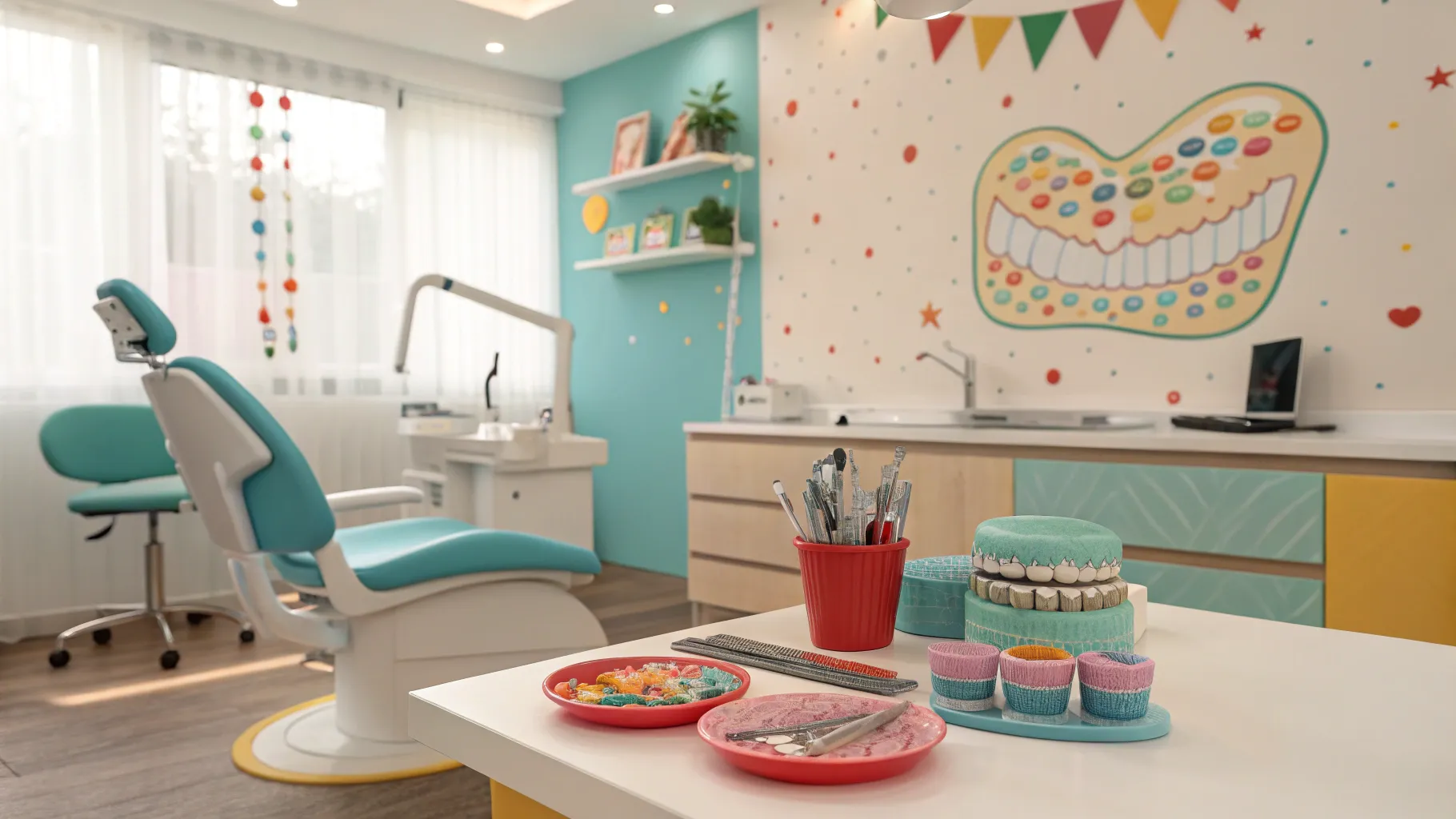
How Old Should Kids Be Before Getting Braces
The American Association of Orthodontists recommends that children receive their first orthodontic screening by the age of seven. At this age, most children have enough of their permanent teeth for an orthodontist to assess their alignment and bite. Interestingly, treatment doesn't always start at seven; it highly depends on individual needs. Research indicates that while some kids might benefit from early intervention, not all children require braces at such a young age. This period, often termed "phase one treatment," might include appliances that help guide jaw growth or correct severe bites before all teeth have erupted.
Many children receive braces between the ages of 9 and 14. This timeline is when the permanent teeth are typically fully erupted, making it ideal for orthodontic treatment. For instance, a common scenario involves children in their pre-teen years needing braces due to overcrowded teeth or significant gaps. Kids in this age range can also better understand the importance of wearing their braces and maintaining proper oral hygiene. Data from the American Dental Association shows that 4 million children in the U.S. currently wear braces. With the rise in dental health awareness, more parents are opting for orthodontic evaluations at an earlier age.
Benefits of Getting Braces Early
- Improved Oral Health: Early braces help with misalignment, making it much easier to maintain proper dental hygiene.
- Enhanced Self-Esteem: A straighter smile improves confidence in a child's appearance during crucial developmental years.
- Fewer Complications: Addressing future orthodontic issues early can prevent more complex procedures down the road, saving time and unnecessary stress.
Children who receive braces at a younger age often enjoy these substantial benefits, which play a crucial role in their social interactions during their formative years. Even so, it is essential to consult with an orthodontist to determine the personal needs of your child.
The Cost of Braces for Children
When considering braces for children, one of the significant factors to contemplate is cost. Currently, the average price for braces in the U.S. ranges between $3,000 and $7,000. The total cost depends on various factors such as:
- The type of braces (metal, ceramic, lingual, or clear aligners)
- Length of treatment
- Your geographic location
Moreover, since braces can be a significant financial investment, exploring options for flexible payment structures can alleviate some of the financial burdens. Some orthodontic offices even provide complimentary consultations to discuss treatment plans and options tailored to your family's financial situation.
Long-Term Effects of Braces
Another crucial consideration is the long-term effects that braces have on your child's oral health. After successfully completing a braces treatment, children often experience better tooth alignment, which in turn diminishes the likelihood of future dental issues. This not only promotes better oral hygiene but also contributes to overall health. Misaligned teeth can lead to bite problems, increased plaque buildup, and even issues related to jaw alignment in later years, which can result in pain or discomfort. Early interventions can significantly reduce the likelihood of developing these complications.
Involving Your Child in the Decision
During the decision-making process, it can be beneficial to involve your child. Discussing their feelings towards braces and addressing any concerns they may have is vital for their emotional preparation. Kids are often apprehensive about wearing braces due to fear of being bullied or feeling different. By addressing these concerns early, parents can provide support, helping to foster a positive outlook on the entire process.
It’s also essential to highlight the result — a beautiful, healthy smile! Sharing images of previously treated patients or testimonials can also empower your child to embrace this journey positively. Many orthodontics offices provide 'before and after' images that clearly illustrate the dramatic transformations that braces can bring about.
A child’s willingness to wear braces and comply with care instructions significantly impacts treatment success. Therefore, establishing a supportive dialogue that invites your child to express feelings and ask questions can make the process smoother.
The significance of timing for braces, combined with a child’s emotional preparedness, creates the perfect recipe for a successful orthodontic experience. As a parent, investing time in researching when to get braces for your child, assessing their needs, and discussing it with them, empowers them and enriches their dental journey.
Authored by FreshLifeWire team