When Bad Breath Signals Internal Health Changes and Illness
When Does Bad Breath Indicate Internal Health Problems
Bad breath, medically known as halitosis, is a common issue that can stem from various causes, ranging from poor oral hygiene to certain foods. However, when the offensive odor persists despite good dental care, it could be a signal that something more serious is at play within your body. In 2025, recent studies show that nearly 50% of the population experiences persistent bad breath at some point in their lives, making it crucial to understand the underlying health implications.
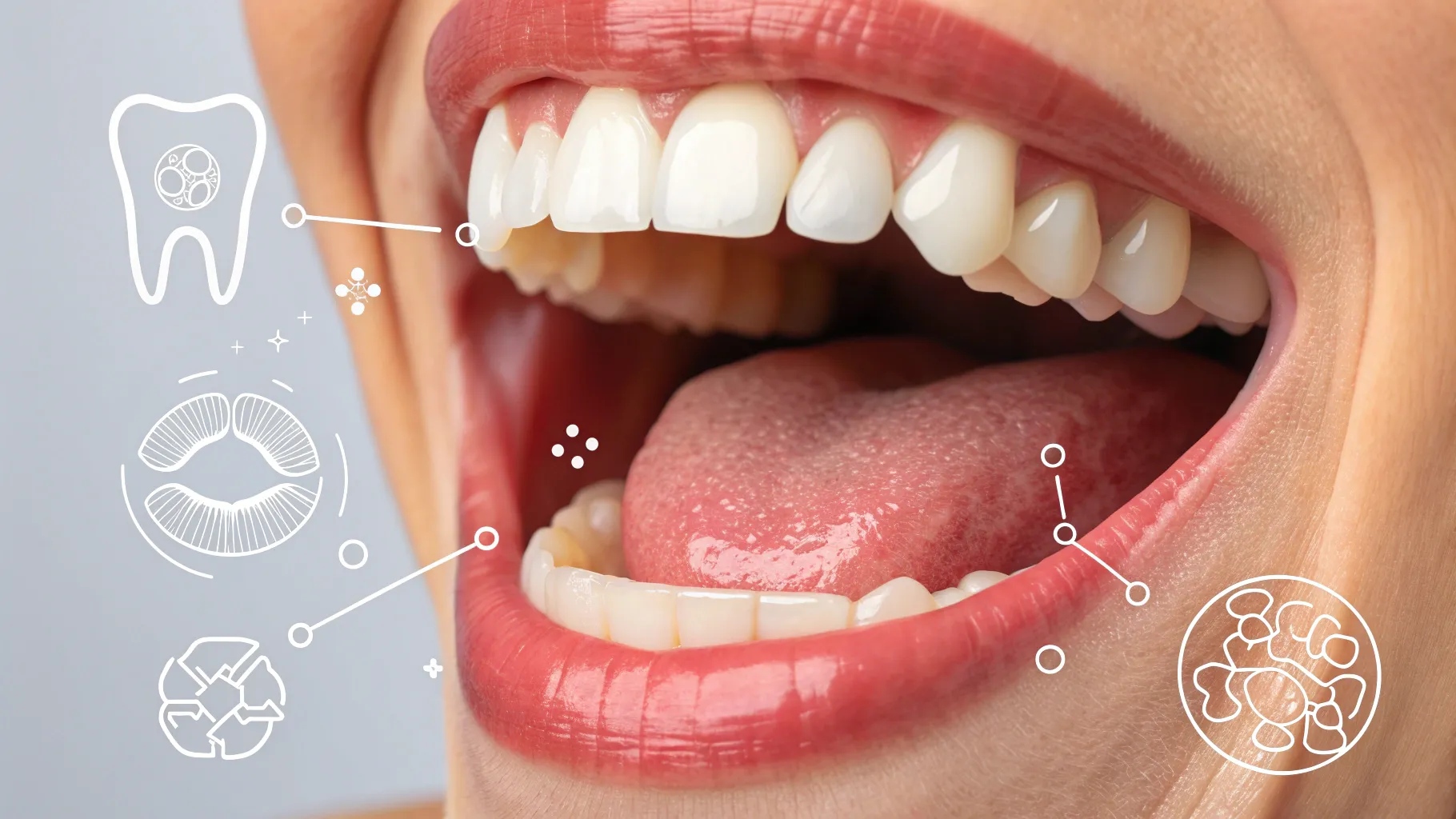
Can Unpleasant Breath Be a Symptom of Illness?
Indeed, chronic bad breath can indicate various health problems. While most people associate bad breath with a lack of brushing or certain foods, unpleasant breath can sometimes be the first clue that there’s an internal health issue that needs addressing. For instance, conditions such as diabetes, liver disease, or gastrointestinal disorders can lead to noticeable changes in breath odor.
The link between bad breath and specific illnesses has garnered attention in the medical community. For example, the breath of individuals with diabetes might have a sweet, fruity smell, often due to the buildup of ketones during episodes of ketoacidosis. Additionally, patients with renal (kidney) failure can have a breath that smells of ammonia, a direct consequence of the body’s inability to filter waste efficiently.
What Diseases Are Linked to Chronic Bad Breath
There are several diseases and conditions you should be aware of that are closely linked to chronic bad breath. Some of these include:
- Gastroesophageal reflux disease (GERD): GERD can lead to stomach acids backing up into the esophagus, bringing a sour or bitter smell to one’s breath.
- Respiratory infections: Conditions like sinus infections or bronchitis can result in foul breath due to mucus build-up that traps bacteria.
- Oral infections: Patients with periodontal disease or other oral infections may encounter chronic bad breath due to bacterial growth.
- Liver disease: A compromised liver can produce a distinctive musty or sweet odor due to the accumulation of toxins.
- Diabetes: As already mentioned, poorly controlled diabetes can manifest through sweet-smelling breath, requiring attention and management.
Awareness of these conditions is essential, especially as many are underreported and can significantly affect an individual’s well-being. For instance, a health survey in early 2025 indicated a 15% increase in people reporting halitosis — a likely correlation with rising instances of undiagnosed metabolic or systemic disorders.
How to Tell Normal Breath from Serious Health Issues
Identifying whether your breath is simply a result of something benign or indicative of a serious health issue can sometimes feel daunting. Here are some practical tips:
- Duration: If bad breath persists for a prolonged period, despite good brushing and dental hygiene, it might warrant a check-up.
- Accompanying Symptoms: Take note of additional signs such as a dry mouth, unusual taste, or systemic symptoms like fatigue or weight loss. These can indicate a more serious underlying condition.
- Odor Type: Pay attention to the specific smell. For example, a fruity smell could point towards potential diabetes while an ammonia-like odor may suggest kidney problems.
It’s crucial to maintain regular dental appointments, as dental professionals can identify signs of more significant health issues during routine cleanings. During these visits, dentists do not just look for cavities; they also evaluate overall oral health that may reflect other body functions.
Can Stomach Problems Cause Bad Breath?
Yes, stomach issues can certainly contribute to bad breath. The digestive system plays a pivotal role in the composition of breath. Conditions like acid reflux or helminth infections (intestinal parasites) can cause bad breath due to the release of gases or bacteria. A study conducted earlier this year revealed that over 30% of individuals with chronic gastrointestinal disorders reported experiencing halitosis. This stark statistic emphasizes the connection between gut health and oral freshness.
Individuals suffering from gastritis, ulcers, or other stomach-related problems may find the odor emanating from their breath unpleasant and indicative of their internal strife. Managing these gastrointestinal issues often leads to significant improvements in breath freshness.
Another factor at play is the role of hydration. When you are dehydrated, your saliva production decreases, resulting in less rinsing of the mouth, allowing bacteria to build up and creating foul odors. Hence, ensuring adequate fluid intake and seeking medical advice for ongoing digestive issues are vital steps toward improved overall health.
Takeaway
Bad breath can be a frustrating problem; however, when it becomes chronic, it often serves as a window into your overall health. The importance of recognizing when bad breath is more than just a dental concern cannot be overstated. If your breath persists despite proper oral hygiene, consider it a prompt to consult with your healthcare provider to rule out any serious underlying health issues. In 2025, awareness of the link between oral health and systemic disease is crucial for maintaining optimal health and finding solutions expediently. Treat your breath like your body’s messenger, conveying important health messages that deserve your attention.
Authored by FreshLifeWire team