What You Should Know About Chronic Kidney Disease in 2025
Know the Facts About Chronic Kidney Disease in 2025
Chronic kidney disease, commonly known as CKD, is an alarming health concern that impacts a staggering number of individuals worldwide, and it is essential to understand its implications fully. This progressive ailment can lead to serious health complications if left unmanaged. As we step into 2025, staying informed about CKD, recognizing its symptoms, understanding how it progresses, and knowing the best strategies to prevent its escalation becomes more critical than ever.
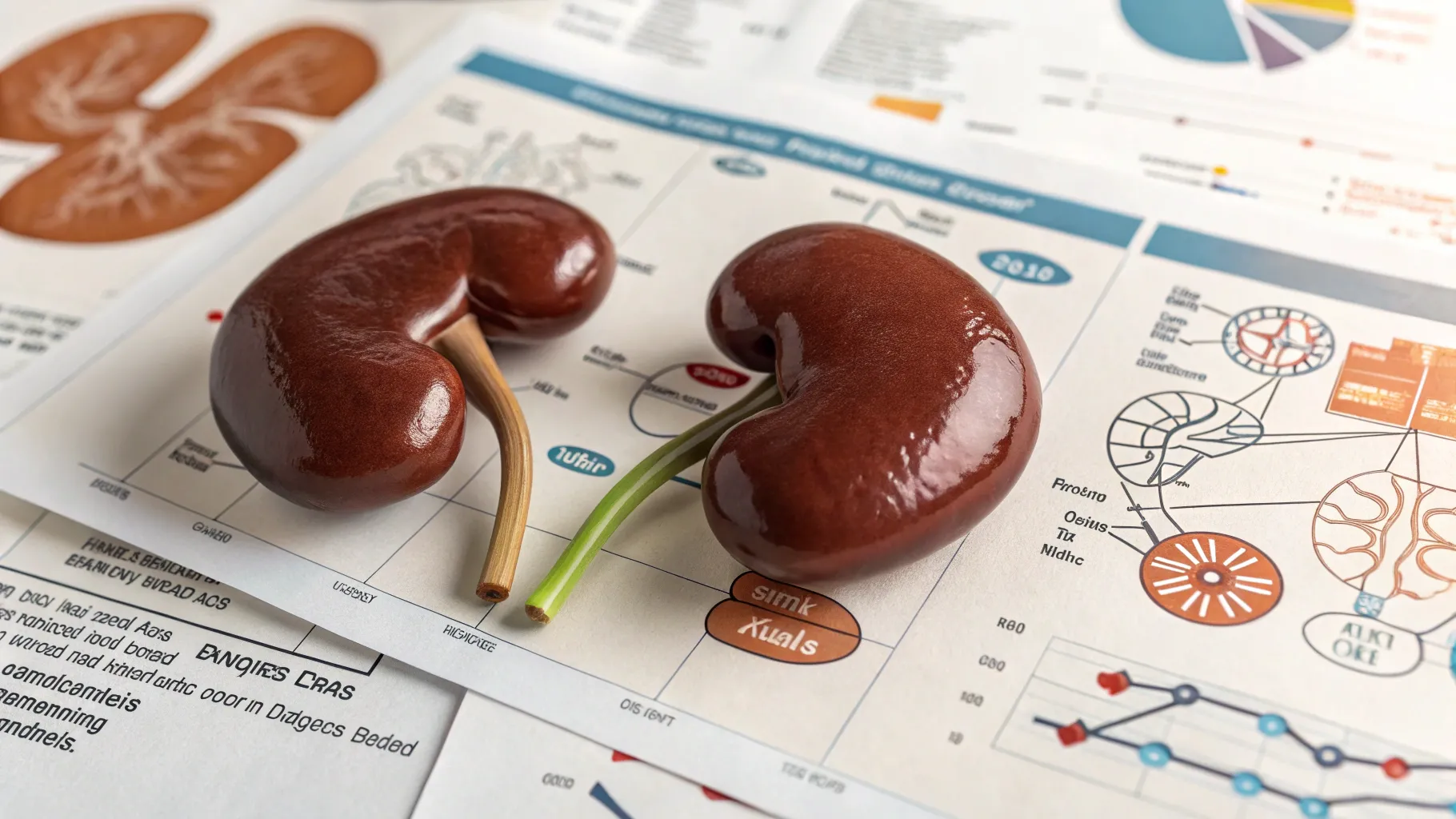
Defining Chronic Kidney Disease
Chronic kidney disease is precisely what its name suggests – a long-term condition that involves a gradual decline in kidney function over time. Currently, statistics indicate that around 10% of adults across the globe are living with CKD, with many remaining oblivious to their diagnosis. The kidneys are essential organs responsible for waste filtration from the bloodstream, regulation of blood pressure, and maintenance of fluid balance within the body. When CKD occurs, the kidneys lose their filtering capability, resulting in harmful waste products accumulating within the bloodstream.
The Progression of CKD
The journey of chronic kidney disease is measured in five distinct stages, ranging from Stage 1, the least severe form, to Stage 5, which indicates kidney failure. Understanding these stages is crucial for managing kidney health effectively:
- Stage 1: Kidney function is considered normal, typically with a glomerular filtration rate (GFR) of 90 or above, although some kidney damage may be present.
- Stage 2: Mild damage is detected with GFR levels falling between 60 and 89.
- Stage 3: This stage indicates moderate damage, with GFR measurements between 30 and 59.
- Stage 4: Here, significant damage is apparent, and GFR levels drop between 15 and 29.
- Stage 5: At this stage, known as kidney failure, GFR is less than 15, necessitating dialysis or a kidney transplant.
As CKD develops, a build-up of toxins leads to several complications, including anemia, bone disease, and an increased risk of cardiovascular ailments. Recent studies underscore that patients with CKD face an elevated risk for heart disease, highlighting the importance of comprehensive kidney health management.
Importance of Early Detection
With early detection, the progression of chronic kidney disease can be significantly slowed down. Routine screenings for kidney function should be prioritized, particularly for individuals over 60 years old or those who possess risk factors such as diabetes, hypertension, or a family history of kidney issues. Regular check-ups allow for the early diagnosis of CKD, which is vital since it can remain asymptomatic for a long time.
A recently published study from just last month revealed that patients diagnosed with CKD at an earlier stage have a 40% lower likelihood of advancing to end-stage renal disease compared to those diagnosed in later stages. Medical professionals utilize simple, non-invasive tests, including blood tests to evaluate creatinine levels and urinalysis to detect protein or blood, thereby assisting patients in tracking their kidney health effectively. Understanding your GFR is also crucial to gauge kidney function status and is particularly important for those at increased risk.
Recognizing Symptoms of Kidney Decline
It's unfortunate, yet many people suffering from chronic kidney disease do not notice any symptoms until their condition has markedly advanced. Recognizing early warning signs is vital. Some symptoms to monitor include:
- Fatigue: A persistent feeling of tiredness can indicate anemia, a common issue associated with kidney disease.
- Swelling: Fluid retention often manifests as swelling in the feet and ankles.
- Frequent Urination: Experiencing an increase in urination, particularly at night, may hint at diminishing kidney function.
- Blood in Urine: This troubling symptom necessitates immediate medical consultation.
- High Blood Pressure: Uncontrolled hypertension might be linked to underlying kidney dysfunction.
Being attuned to these symptoms is essential for individuals to seek the necessary treatment promptly, empowering them to take proactive steps towards managing their kidney health.
Slowing Kidney Damage Naturally
To combat the progression of chronic kidney disease naturally, embracing lifestyle modifications is key. Research continues to point towards several effective strategies that can help maintain overall kidney health. Consider these:
- Dietary Adjustments: A balanced, kidney-friendly diet low in sodium, phosphorous, and protein can significantly lessen the stress placed on your kidneys. Including a variety of fruits, vegetables, and whole grains can contribute positively to your health.
- Proper Hydration: Staying well-hydrated can support kidney functions, though those with existing conditions should manage this carefully.
- Physical Activity: Engaging in regular exercise benefits body weight management and helps regulate blood pressure effectively.
- Quitting Smoking: Smoking has a detrimental effect on kidney health; thus, quitting is imperative to lower the risk of further health complications.
- Monitoring Blood Pressure and Blood Sugar: Keeping these measurements within a healthy range is essential for individuals at heightened risk of developing CKD.
Moreover, recent studies have suggested that certain supplements, like omega-3 fatty acids and antioxidants, may offer supportive benefits for kidney health, but always consult your healthcare provider before introducing new supplements to your regimen.
Clearly, fostering awareness of chronic kidney disease is more critical than ever. Understanding its symptoms, acknowledging the stages of the disease, and implementing lifestyle tweaks are all pivotal in maintaining kidney health. Regular health check-ups and early detection are unequivocally the most effective means to slow the progression of kidney damage, making them essential for anyone at risk. By remaining educated and proactive, you can make significant strides toward a healthier future.
Authored by FreshLifeWire team