A Buyer's Guide: What to Look for When Buying Your First Electric Scooter - Battery, Speed, and Safety
Facts:
- The global electric scooter market is projected to grow by over 10% annually.
- Improved battery technology is the leading trend for new electric scooter models.
Navigating Your First E-Scooter Purchase: Core Essentials
Choosing your first electric scooter can be an exciting yet daunting task. With countless models on the market, understanding the key components is crucial. This guide provides a comprehensive overview of what to look for when buying your first electric scooter, with a deep dive into the three most critical aspects: the battery, which determines your range; the speed, which dictates your travel efficiency; and the safety features, which protect you on every journey. Making an informed decision ensures you get a scooter that not only meets your needs but also provides a reliable and secure riding experience for years to come.
The Heart of Your Ride: Deconstructing Electric Scooter Battery Performance
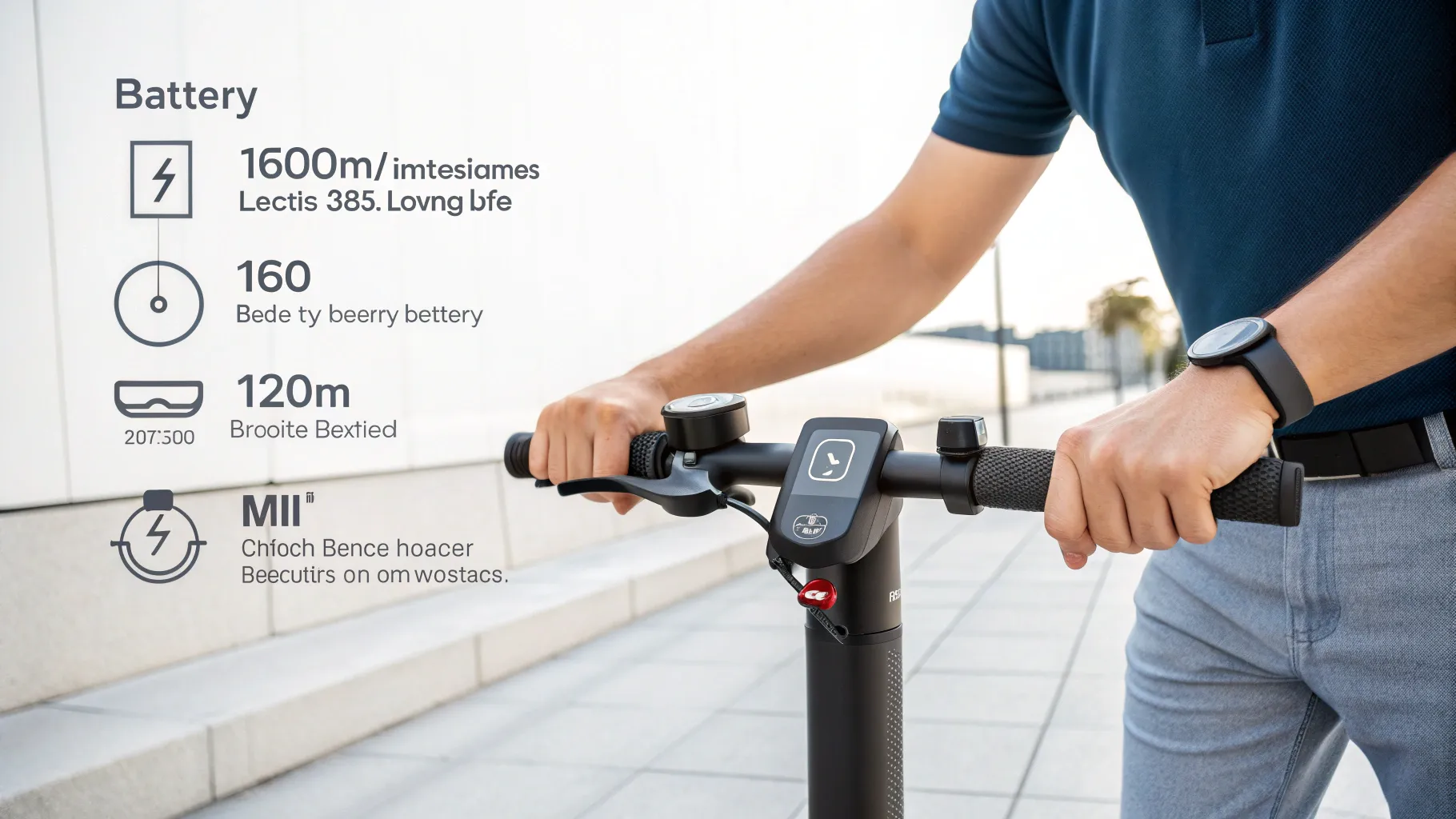
The battery is arguably the most important component of any electric scooter, as it directly impacts your range, overall performance, and the scooter's lifespan. When evaluating the battery, look beyond the simple marketing claims of 'long range'. Key metrics to consider are Watt-hours (Wh), which gives the best indication of the battery's total energy capacity. A higher Wh rating generally translates to a longer range. Also, consider the charging time; some modern scooters offer fast-charging capabilities that can significantly reduce downtime. Understanding what to look for when buying your first electric scooter means prioritizing a high-quality battery from a reputable manufacturer like LG or Samsung, as this will ensure reliability and longevity. Don't forget to check the estimated range under real-world conditions, not just the manufacturer's ideal-scenario figures.
Finding Your Pace: Understanding Electric Scooter Speed and Power
When it comes to speed, it's not just about the maximum number advertised. A crucial factor in what to look for when buying your first electric scooter is the motor's power, measured in Watts (W). A higher wattage motor (e.g., 500W vs. 250W) will provide better acceleration and hill-climbing ability, which is essential for varied urban environments. For a first-time buyer, a top speed of around 15-20 mph (25-32 km/h) is typically more than sufficient for commuting and recreational use. It is vital to consider local regulations regarding electric scooter speed limits on public roads and bike lanes. A scooter with multiple speed modes can be highly beneficial, allowing you to conserve battery at lower speeds or unleash more power when needed. The balance between raw speed and practical, controllable power is key for a satisfying and safe ride.
Non-Negotiable Elements: Critical Safety Features to Demand
Your safety should be the top priority. A reliable braking system is non-negotiable. Look for scooters equipped with dual brakes, preferably a combination of disc brakes and regenerative electric brakes, for maximum stopping power. Good lighting is also essential for visibility, so ensure the scooter has a bright headlight, a rear taillight that illuminates when you brake, and ideally, side reflectors. Tires play a significant role in safety and ride comfort; pneumatic (air-filled) tires offer better shock absorption and grip, while solid tires are puncture-proof but provide a harsher ride. A wide, sturdy deck for stable footing and responsive handlebars are other critical safety elements. Thoroughly examining these features is a fundamental part of knowing what to look for when buying your first electric scooter.
Beyond the Big Three: Build Quality, Portability, and Suspension
While battery, speed, and safety are paramount, other features contribute to the overall experience. The scooter's build quality, often indicated by the frame material (e.g., aircraft-grade aluminum), determines its durability and weight capacity. If you plan to carry your scooter on public transport or up stairs, its weight and folding mechanism are crucial factors for portability. Furthermore, a scooter with a suspension system, either front, rear, or both, will provide a significantly smoother and more comfortable ride, absorbing bumps and imperfections on the road. Considering these aspects will help you find a scooter that is not only powerful and safe but also practical for your specific lifestyle.
Your Pre-Purchase Checklist: Actionable Advice for Aspiring Riders
Before you make the final decision, it's wise to go through a final checklist. This ensures you've covered all the bases when considering what to look for when buying your first electric scooter. Here are some actionable steps:
- Check Local Laws: Research your city's regulations regarding electric scooter usage, including speed limits and where you're allowed to ride. This prevents potential fines and ensures you ride legally.
- Read Reviews and Test Ride: Look for long-term reviews from real users to understand the scooter's reliability. If possible, test ride the model you're interested in to get a feel for its handling, acceleration, and braking.
- Verify Water Resistance: Check the scooter's IP (Ingress Protection) rating. A rating of IP54 or higher is recommended if you anticipate riding in light rain or wet conditions.
- Examine Warranty and Support: A good warranty and accessible customer support are crucial for peace of mind. Check what the warranty covers, especially for the battery and motor, and how long it lasts.
Frequently Asked Questions
What is the most important factor in what to look for when buying your first electric scooter?
While all factors are interconnected, the most important is often a balance between battery range and safety features. A scooter is useless if it can't get you to your destination, and it's dangerous if it can't do so safely. Prioritize a reputable battery and robust brakes above all else.
How much battery range do I really need?
Calculate your daily round-trip commute and add at least a 30-40% buffer. Factors like rider weight, terrain, and temperature can reduce the advertised range. For most beginners, a real-world range of 15-20 miles (25-32 km) is a great starting point.
Is a higher top speed always better for a beginner?
Not necessarily. While a higher top speed indicates a more powerful motor, which helps with hills, it can be intimidating for new riders. A scooter with adjustable speed modes is ideal, allowing you to start slow and increase the speed as you gain confidence. Always prioritize control and safety over raw speed.
References
- Urban Mobility Trends Report
- Consumer Guide to Electric Micromobility
- Battery Technology and Performance Analysis Journal
- National Highway Traffic Safety Administration Guidelines
Authored by FreshLifeWire team