Dinner Clubs for Single Seniors: Your Guide to Social Dining
Facts:
- Social isolation can impact health as much as smoking 15 cigarettes a day.
- A rising trend in social wellness is participation in senior social clubs.
Rediscovering Connection Through Social Dining
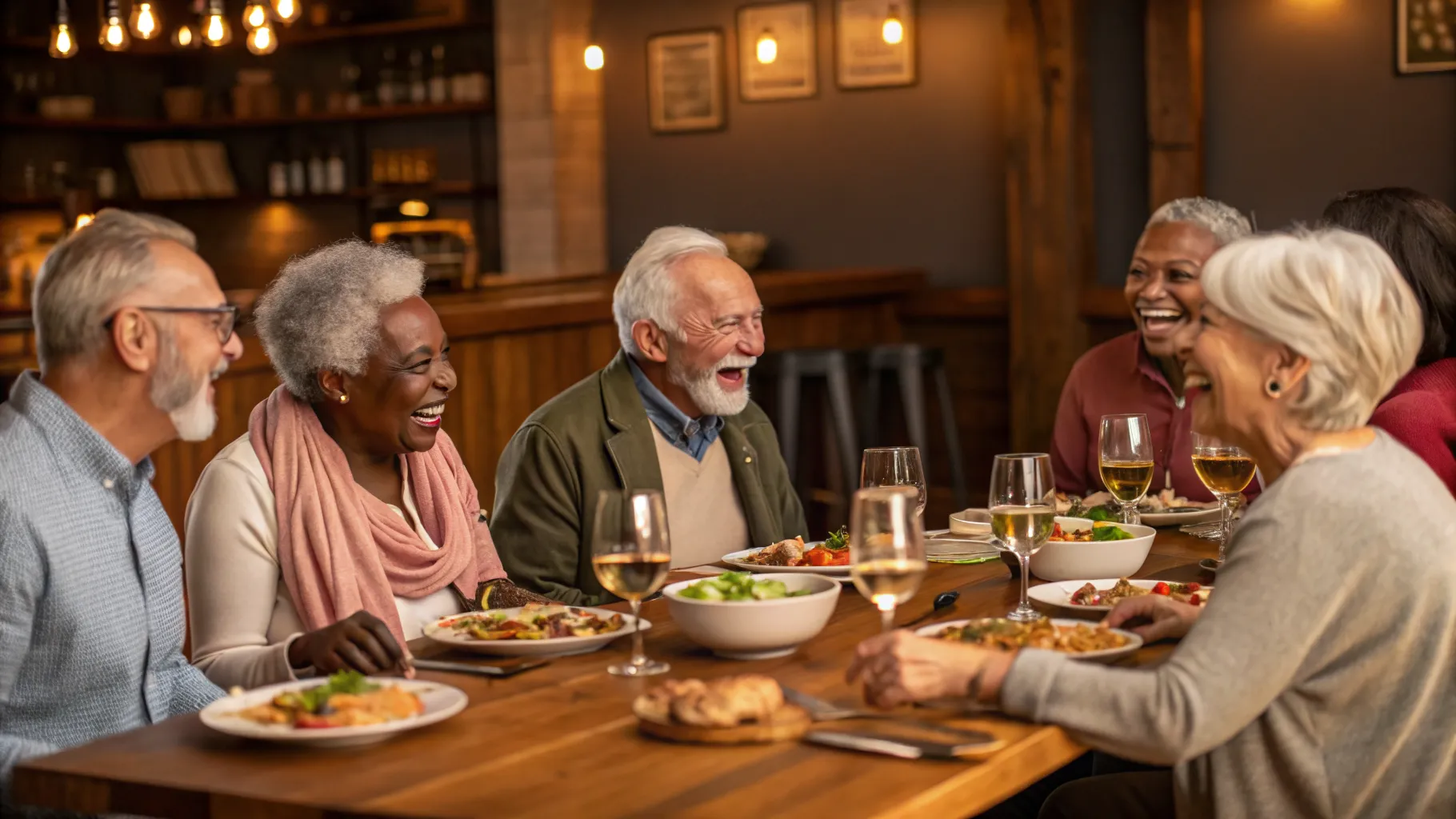
As we age, maintaining an active social life can become more challenging, yet it's more important than ever for our mental and emotional well-being. For many unattached older adults, the evenings can feel particularly long. This is where the concept of dinner clubs for single seniors comes in as a brilliant solution. These gatherings are not just about food; they are about creating new friendships, sharing stories, and building a supportive community. By participating in social dining for seniors, individuals can combat loneliness, stimulate their minds, and rediscover the joy of shared experiences in a comfortable and welcoming environment. These clubs provide a structured yet relaxed setting to meet peers with similar interests and life experiences.
What Exactly Are Senior Dinner Clubs?
At their core, senior dinner clubs are organized groups that bring older adults together over a shared meal. The format can vary widely. Some clubs meet at a different local restaurant each week or month, exploring new cuisines and venues. Others might operate on a potluck basis in members' homes or a community center, creating a more intimate and personal atmosphere. The primary goal is to facilitate interaction and connection. Unlike traditional dating services, the pressure is off; the focus is on companionship and friendship. These singles dining groups for seniors create a safe and enjoyable space for individuals to simply be themselves and connect with others. They are a vital part of a growing movement towards proactive social wellness for the aging population, offering a delicious alternative to isolation.
The Key Benefits of Joining Singles Dining Groups for Seniors
The advantages of joining a dinner club extend far beyond just having a meal partner. Firstly, they provide immense emotional support. Sharing a table with peers who understand the unique challenges and joys of this life stage can be incredibly validating and comforting. Secondly, these clubs are a fantastic way to expand your social circle. Friendships formed within these groups often extend beyond the dinner table, leading to new activities and shared hobbies. Thirdly, there are significant mental health benefits. Regular social interaction keeps the mind sharp, reduces feelings of depression, and boosts overall happiness. Finally, exploring new restaurants and foods provides a sense of adventure and routine to look forward to. These senior social clubs act as a powerful antidote to loneliness, fostering a sense of belonging and community that is crucial for a fulfilling life.
How to Find the Right Dinner Club for You
Finding the perfect group might seem daunting, but there are many resources available to help you connect with dinner clubs for single seniors. A great first step is to check with local senior centers, community recreation facilities, and places of worship, as they often host or have information about such groups. Online platforms and social media have also become invaluable tools. Websites like Meetup.com or local Facebook groups often have listings for social dining for seniors. When evaluating a club, consider the following points:
- Frequency and Time: Does the club meet on a schedule that works for you? Whether it's weekly, bi-weekly, or monthly, ensure it fits into your lifestyle.
- Location and Cost: Are the meeting places accessible? Consider the average cost of the meals to ensure it aligns with your budget. Some senior dinner clubs focus on affordable eateries, while others explore fine dining.
- Group Size and Vibe: Do you prefer a small, intimate group or a larger, more boisterous one? Try to get a feel for the group's general atmosphere to see if it's a good match for your personality.
- Focus: Some clubs may have a specific focus, such as a shared hobby like books or travel, in addition to dining. This can be a great way to meet like-minded individuals.
Making the Most of Your Dinner Club Experience
Once you've joined one of the many singles dining groups for seniors, the key is to actively participate. Be open to meeting new people and initiating conversations. Don't be shy about sharing your own stories and listening attentively to others. The goal is mutual connection. It's also important to have realistic expectations; friendships, like good wine, take time to develop. Attend meetings consistently to build familiarity and rapport with other members. If you feel comfortable, you might even volunteer to help organize an event or suggest a new restaurant. Taking an active role can deepen your sense of belonging and enhance the experience for everyone involved in these wonderful senior social clubs.
Frequently Asked Questions
What if I'm shy or introverted? Is a dinner club for single seniors still a good idea?
Absolutely. Many people in these clubs are in the same boat. The structured nature of a dinner provides a natural conversation starter. You can start by listening and asking questions. The shared activity of dining takes the pressure off of constant conversation, making it a comfortable environment even for more reserved individuals.
Are these dinner clubs just for finding a romantic partner?
Not at all. While romance can sometimes blossom, the primary purpose of most senior dinner clubs is friendship and companionship. The focus is on creating a supportive social network and enjoying shared experiences, which is why they are often referred to as senior social clubs.
How much do these dinner clubs typically cost?
The cost varies greatly. Some groups may have a small annual membership fee to cover administrative costs. The main expense is typically the cost of your own meal at the chosen restaurant. Many groups make an effort to choose a range of restaurants to accommodate different budgets.
References
- Journal of Gerontology: Social & Behavioral Sciences
- National Institute on Aging: Social wellness studies
- Community and Senior Services Annual Reports
- Psychology Today: The Importance of Social Connection
Authored by FreshLifeWire team