What Kills Weeds Down to the Root for Permanent Removal
Facts:
- Systemic herbicides are absorbed and moved through the plant to the roots.
- A dense, healthy lawn is the best natural defense against weed invasion.
Understanding the Foundation: Why Targeting the Root is Non-Negotiable
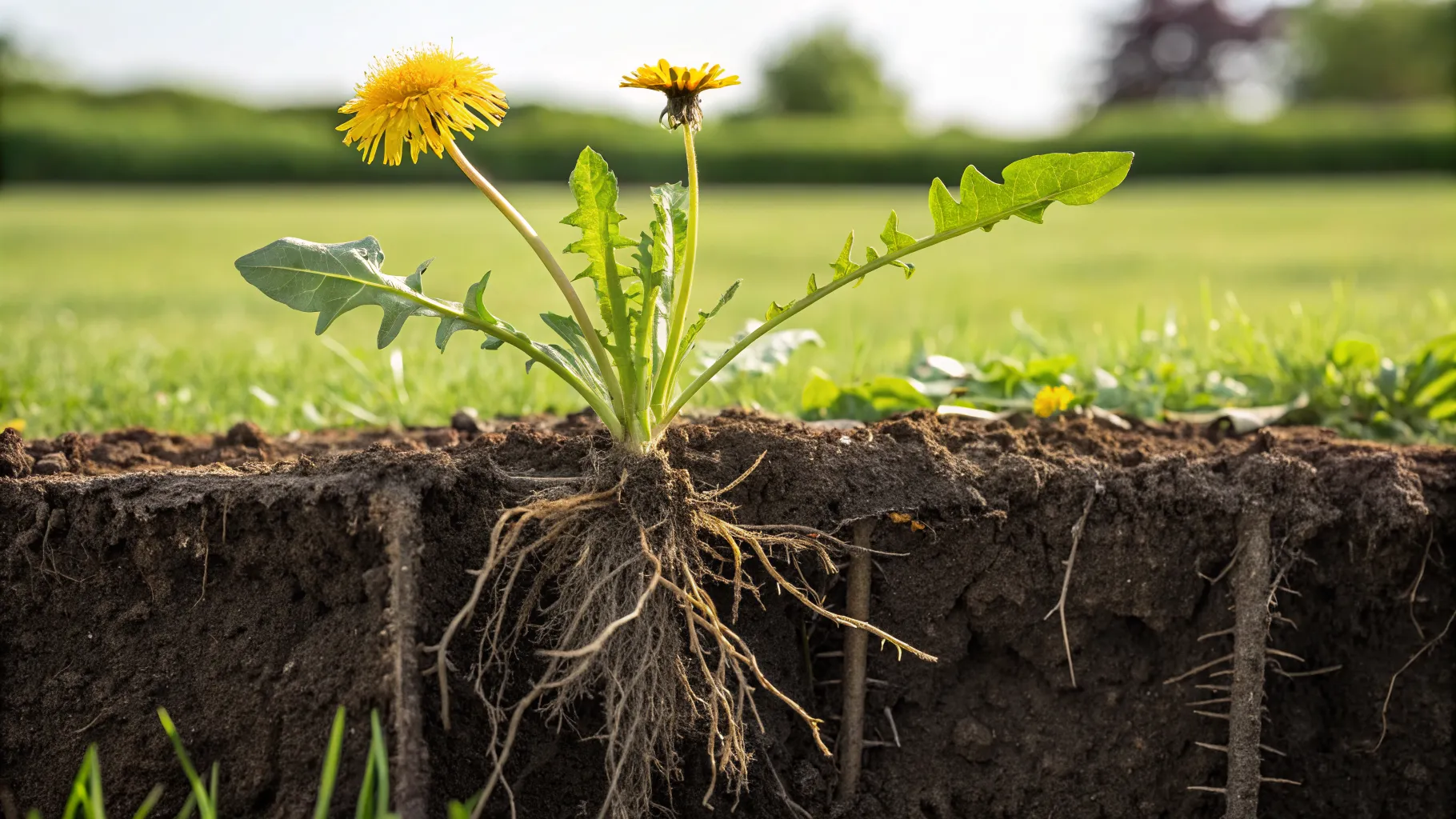
The relentless cycle of pulling weeds only to see them return days later is a common frustration for gardeners and homeowners alike. The secret to winning this battle lies beneath the surface. True eradication isn't about what you see; it's about destroying the unseen engine of the plant: its root system. To achieve lasting results, you must use methods that kill weeds to the root. Failing to do so means you're only performing temporary cosmetic maintenance, as many weeds can regenerate from the smallest piece of root left in the soil. Effective permanent weed control tips always focus on destroying this underground network, ensuring the weed cannot draw nutrients or water to regrow and spread.
Systemic Herbicides: The Chemical Path to the Core
When you need a powerful solution that guarantees the death of the entire plant, systemic herbicides are often the answer. Unlike contact herbicides that only kill the parts of the plant they touch, systemic formulas are absorbed by the foliage and transported throughout the weed's vascular system, all the way down to the root tips. This process effectively poisons the entire organism from the inside out. Ingredients like glyphosate are famous for their ability to disrupt essential plant enzymes, leading to a complete shutdown of the weed killer root system. This method is particularly effective for stubborn perennial weeds with deep and extensive roots, such as dandelions, thistle, and poison ivy. For complete lawn weed removal roots and all, timing your application during active growth phases (spring and fall) maximizes the herbicide's absorption and translocation to the roots, making it one of the most reliable ways to kill weeds to the root.
Embracing Natural and Organic Deep Weed Removal Methods
For those who prefer an eco-friendly approach, several natural methods can be effective, though they may require more persistence. Boiling water is a surprisingly simple yet potent tool. Pouring it directly onto a weed will cook the plant and can penetrate the soil to damage the upper parts of the root. This is best for weeds on patios, driveways, and gravel paths. Another popular option is a high-concentration horticultural vinegar (20% acetic acid or more). It acts as a powerful desiccant, burning the plant's foliage. While effective on the top growth, its ability to kill weeds to the root can be limited on tougher perennials unless applied repeatedly. Combining vinegar with salt and dish soap can increase its effectiveness, but be cautious as salt can sterilize the soil long-term, preventing anything from growing there. These deep weed removal methods are excellent for specific situations but require a clear understanding of their limitations when tackling a resilient weed killer root system.
Manual Extraction: The Physical Approach to Root Removal
Sometimes, the most satisfying and effective method is good old-fashioned manual labor. Physically removing the entire weed, root and all, provides immediate results and is completely organic. The key to success is using the right tool and technique. A dandelion weeder or a hori-hori knife is perfect for prying up weeds with a single, deep taproot. For weeds with more fibrous root systems, a garden fork can be used to loosen the soil around the plant, making it easier to pull the entire root mass out without it breaking. It is critical to perform this task when the soil is moist, as the roots will slide out more easily. This is arguably the most certain of all deep weed removal methods because you physically see the root come out of the ground. Proper manual extraction is a cornerstone of effective lawn weed removal roots first, ensuring no fragments are left behind to sprout anew.
Prevention First: Your Best Strategy for Permanent Weed Control
The most effective way to deal with weeds is to stop them from ever getting established. Implementing a robust prevention strategy is the ultimate goal of all permanent weed control tips. Applying a thick layer of organic mulch (2-3 inches) in garden beds blocks sunlight, preventing weed seeds from germinating. For more aggressive protection, laying down landscape fabric before mulching provides an additional barrier. In lawns, the focus should be on creating a thick, healthy turf. A dense lawn crowds out potential weeds, leaving no room for them to grow. This means mowing high, watering deeply but infrequently, and fertilizing appropriately for your grass type. Another key preventative tool is the use of pre-emergent herbicides in early spring. These products create a chemical barrier in the soil that stops weed seeds from sprouting, effectively managing the problem before it even begins and saving you from needing more aggressive lawn weed removal roots later.
Choosing Your Weapon: A Comparison of Weed Eradication Techniques
Selecting the right approach depends heavily on the type of weed, the location, and your personal philosophy on chemical use. Systemic herbicides offer a highly effective, low-labor solution to kill weeds to the root, especially for large areas or deeply-rooted invasive species. However, they carry environmental concerns and the risk of harming nearby desirable plants if not used carefully. Natural methods like boiling water and vinegar are excellent for spot treatments in non-lawn areas and are environmentally safe, but they lack the power to consistently destroy a large weed killer root system and often require multiple applications. Manual removal provides guaranteed root extraction and is perfect for organic gardening, but it is labor-intensive and impractical for widespread infestations. Ultimately, a combination of methods, with a strong emphasis on preventative care, offers the most comprehensive and sustainable path to a weed-free landscape.
Frequently Asked Questions
How long does it take for a weed killer to kill weeds to the root?
The time it takes for a systemic herbicide to kill weeds to the root varies. You may see foliage start to wilt within a few hours to a few days, but it can take 1 to 3 weeks for the chemical to fully travel to the root tips and completely kill the plant. Factors like weed type, size, and weather conditions all play a role.
What is the most effective homemade weed killer for targeting the weed killer root system?
While many homemade remedies primarily affect the top growth, a repeated application of boiling water can sometimes damage the upper root structure of smaller weeds. For a more potent solution, a high-concentration vinegar and salt mixture can be more effective, but use salt with extreme care as it can render soil infertile for future planting. These are considered less reliable than commercial systemic products for deep-rooted perennials.
Can you achieve permanent weed control without chemicals?
Yes, achieving long-term control without chemicals is possible but requires dedication. It involves a combination of vigilant manual extraction (ensuring you get the entire root), applying thick layers of mulch, and promoting a dense, healthy lawn or garden that outcompetes weeds. These organic permanent weed control tips focus on creating an environment where weeds cannot thrive.
References
- University of California Agriculture & Natural Resources - Weed Research and Information Center
- Purdue University Extension - Turfgrass Science Publications
- The Old Farmer's Almanac - Natural Weed Control Methods
- Journal of Environmental Horticulture - Studies on Herbicide Efficacy
Authored by FreshLifeWire team