What Kills Garden Weeds Down to the Root Safely: A Definitive Guide
Facts:
- Systemic herbicides are absorbed to kill the entire plant, root and all.
- A major trend for gardeners involves using integrated weed management for long-term control.
Understanding the Root Cause of Persistent Weeds
Every gardener knows the frustration of pulling a weed only to see it return days later, stronger than before. The key to winning this battle lies in understanding what kills weeds to root, not just removing the visible foliage. Superficial solutions offer temporary relief, but true, long-lasting success comes from attacking the problem at its source: the root system. Whether you're considering powerful systemic weed killer sprays or prefer to clear pathway weeds naturally, the goal remains the same—complete eradication from the ground up. This guide will explore the most effective and safest methods to reclaim your garden, ensuring your efforts lead to a permanently pristine landscape.
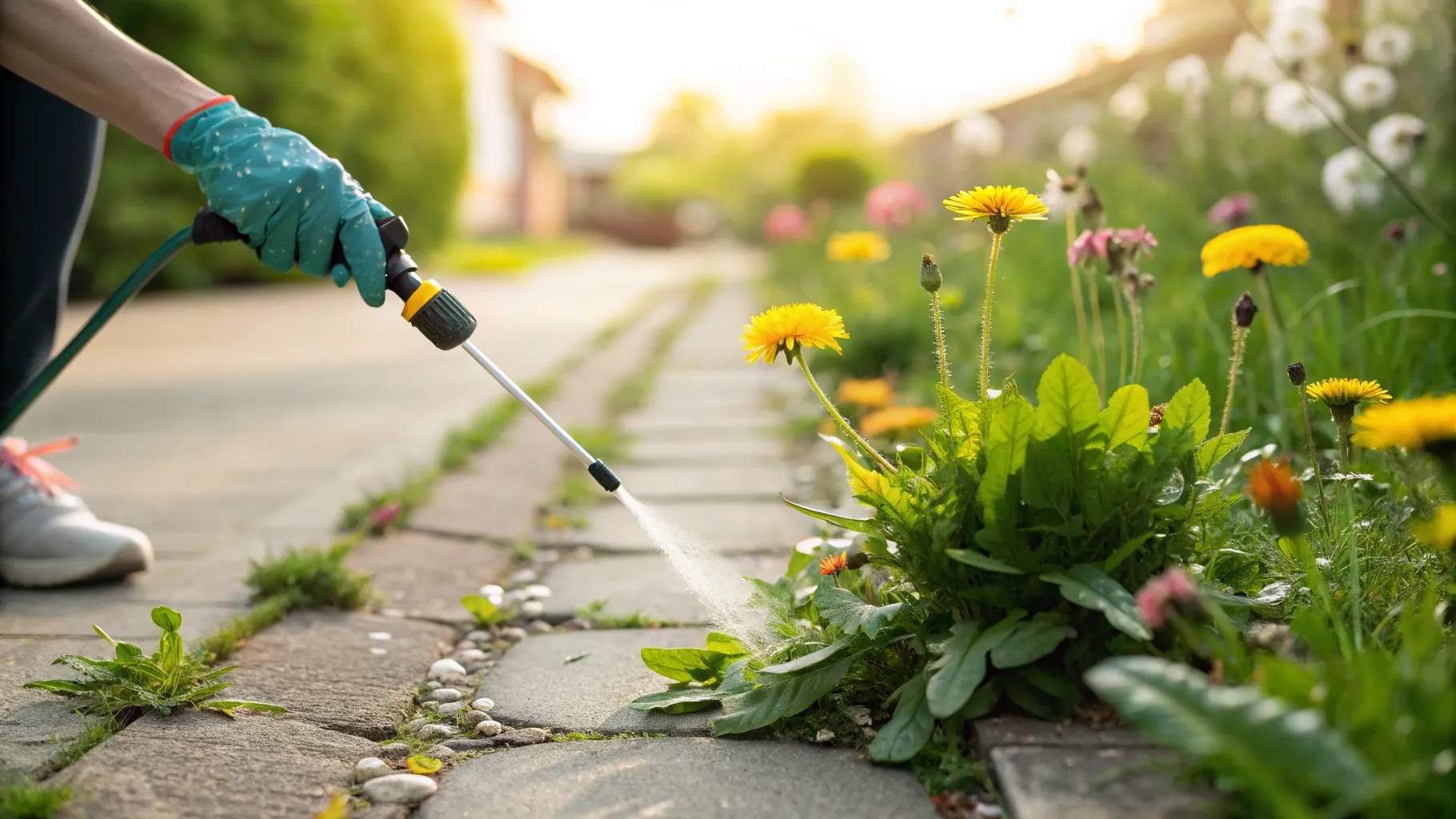
Systemic vs. Natural: Choosing Your Weed Control Strategy
When deciding on a course of action, gardeners are often faced with a choice between chemical and natural methods. Systemic weed killer sprays are chemical solutions designed to be absorbed by the weed's leaves and transported throughout its entire system, down to the deepest root tips. This ensures a complete kill and is often the most effective method for aggressive, perennial weeds. On the other hand, many gardeners are looking for ways to clear pathway weeds naturally, using methods like boiling water, vinegar solutions, or flame weeding. These options are often safer for pets and the surrounding ecosystem but may require more frequent application and may not be as effective on weeds with extensive root networks. The best approach often depends on the type of weed, the location of the infestation, and your personal philosophy on garden care. For large, infested areas, a combination of methods might be the most practical solution.
A Closer Look at Systemic Weed Killer Sprays
For those who need a powerful and definitive solution, systemic weed killer sprays are the go-to choice. These products typically contain active ingredients like glyphosate or triclopyr, which interfere with the plant's essential growth processes. Once applied to the leaves, the chemical is absorbed and circulates within the plant, killing it from the inside out. This is precisely what kills weeds to root and prevents them from resprouting. When using these products, it is crucial to follow the manufacturer's instructions carefully to ensure safety and effectiveness. This includes applying on a calm, non-windy day to prevent drift onto desirable plants and wearing appropriate protective gear. Many modern products are also formulated as long lasting weed prevention formulas, creating a barrier in the soil that stops new weed seeds from germinating for months, providing extended protection for your garden beds and pathways.
How to Clear Pathway Weeds Naturally and Effectively
If you prefer an organic approach, there are several highly effective methods to clear pathway weeds naturally. One of the simplest and most effective is boiling water. Carefully pouring boiling water directly onto weeds in driveway cracks or between paving stones will cook the plant and kill it, often down to the root with repeated applications. Another popular method is a solution of horticultural vinegar (which has a higher acetic acid concentration than household vinegar) mixed with a small amount of dish soap. The soap helps the vinegar adhere to the weed's leaves, increasing its effectiveness. For a more technologically advanced natural solution, flame weeders use a targeted propane torch to incinerate weeds instantly. While these methods require more persistence than chemical sprays, they offer a peace-of-mind solution for areas frequented by children and pets and are an excellent way to manage weeds without introducing synthetic chemicals into your environment.
Long-Term Prevention with Permanent Lawn Clearing Tools
True victory over weeds involves not just removal but also prevention. Implementing long lasting weed prevention formulas and strategies is key. A thick layer of organic mulch (2-3 inches) in garden beds is one of the best preventative measures, as it blocks sunlight and prevents weed seeds from germinating. For more permanent solutions, especially under pathways or decks, installing a high-quality landscape fabric can create an impenetrable barrier. When preparing a new garden bed or clearing a large, overgrown area, using permanent lawn clearing tools is essential. A rototiller can break up compacted soil and churn up existing root systems, while a sturdy scuffle hoe can quickly slice through young weeds at the surface. Combining these physical tools with preventative strategies creates a robust defense that will significantly reduce your weeding workload for years to come.
Frequently Asked Questions
What is the most effective method for what kills weeds to root?
For a guaranteed kill down to the root, especially for tough perennial weeds, systemic weed killer sprays are generally the most effective. They are absorbed by the plant and transported internally to destroy the entire root system, preventing regrowth. However, consistent application of natural methods can also be effective over time.
Are systemic weed killer sprays safe for my pets and garden?
Safety is paramount. It is critical to read and follow all label instructions. Most sprays require the area to be kept clear of pets and people until the product has completely dried. For those with concerns, there are many pet-safe and organic alternatives available that can effectively clear pathway weeds naturally without posing a risk to animals or desirable plants.
What are the best permanent lawn clearing tools for a large area?
For clearing a large, weed-infested area, a combination of tools is often best. A heavy-duty tiller can break up the soil and dense root networks. Following that, a wide rake can help remove the dislodged plant matter. For ongoing maintenance, a scuffle hoe or a flame weeder can be highly effective permanent lawn clearing tools to manage regrowth before it becomes established.
References
- University Agricultural Extension Weed Control Handbook
- Journal of Environmental Horticulture Studies
- National Gardening Association Reports on Weed Management
- Organic Gardeners' Guide to Pest and Weed Control
Authored by FreshLifeWire team