What Kills Garden Weeds Down to the Root Safely: A Complete Guide
Facts:
- Systemic herbicides are absorbed into the plant to kill the root.
- A growing trend for gardeners is using natural, non-toxic weed control methods.
Eradicating Weeds Permanently: Methods That Target the Root System
For any gardener, the battle against invasive weeds is constant. Pulling them out only offers a temporary solution, as the root often remains, ready to sprout anew. The key to true victory lies in understanding what kills weeds to root, ensuring they are gone for good. This comprehensive guide explores the most effective and safe methods, from powerful chemical solutions like systemic weed killer sprays to eco-friendly approaches that help you maintain a beautiful and weed-free garden without harming the environment or your other plants. We will delve into strategies that not only eliminate existing problems but also incorporate long lasting weed prevention formulas for a healthier garden year-round.
Understanding Systemic Action: The Key to Permanent Weed Removal
The ultimate goal for any weed control strategy is to destroy the entire plant, including the root system. This is where systemic action becomes crucial. Unlike contact herbicides that only kill the parts of the plant they touch (the leaves and stem), systemic products are absorbed by the foliage and translocated throughout the plant's vascular system, all the way down to the root tips. This process effectively poisons the weed from the inside out, preventing regrowth. Understanding this mechanism is the first step in choosing the right product for your needs. When looking for what kills weeds to root, always seek out products labeled as 'systemic'. These formulations are designed for deep penetration and are essential for tackling persistent weeds like dandelions, thistles, and bindweed, which have extensive and resilient root networks that make manual removal nearly impossible.
The Best Systemic Weed Killer Sprays for Tough Jobs
When facing an aggressive weed invasion, systemic weed killer sprays are often the most potent solution. These products typically contain active ingredients like glyphosate or triclopyr, which are highly effective at being absorbed by leaves and traveling to the root. It's vital to apply these sprays on a calm, dry day to prevent drift onto desirable plants and to allow the chemical sufficient time to be absorbed before rain can wash it off. For maximum effectiveness, target weeds when they are actively growing, usually in the spring or fall. Many gardeners find these sprays invaluable for clearing large areas or dealing with stubborn vegetation in gravel driveways and patios. While powerful, it's critical to read and follow the manufacturer's instructions carefully for safe application, proper dilution, and appropriate waiting times before replanting in the treated area. These sprays represent a direct answer to the question of what kills weeds to root with chemical efficiency.
How to Clear Pathway Weeds Naturally and Effectively
For those who prefer an organic approach, there are several powerful methods to clear pathway weeds naturally. One of the most popular is horticultural vinegar (20-30% acetic acid), which is much stronger than household vinegar. When sprayed directly onto weeds, it rapidly desiccates the foliage. For it to kill the root, repeated applications may be necessary. Another effective natural method is using a flame weeder, a tool that uses intense heat to rupture the plant cells, killing the weed. This is particularly useful for clearing weeds in paving cracks and gravel paths. Boiling water is another simple yet surprisingly effective solution; pouring it directly on weeds will scald and kill them, including the upper parts of the root. For long lasting weed prevention formulas in a natural context, applying a thick layer of mulch or corn gluten meal can suppress new weed growth by blocking sunlight and inhibiting seed germination.
Implementing Long Lasting Weed Prevention Formulas
Eradicating existing weeds is only half the battle; preventing their return is just as important. This is where long lasting weed prevention formulas, also known as pre-emergent herbicides, come into play. These products work by creating a chemical barrier in the top layer of soil that prevents weed seeds from successfully germinating. They don't kill existing weeds, so they must be applied to a cleared area. Timing is critical; pre-emergents should be applied in early spring before the soil warms up and weed seeds begin to sprout. A second application in the fall can help manage winter weeds. For garden beds, a thick layer of organic mulch (3-4 inches) acts as a physical barrier, blocking sunlight and preventing seeds from sprouting. Combining a pre-emergent herbicide with a layer of mulch provides a formidable, long-lasting defense against future weed invasions.
The Role of Permanent Lawn Clearing Tools in Weed Management
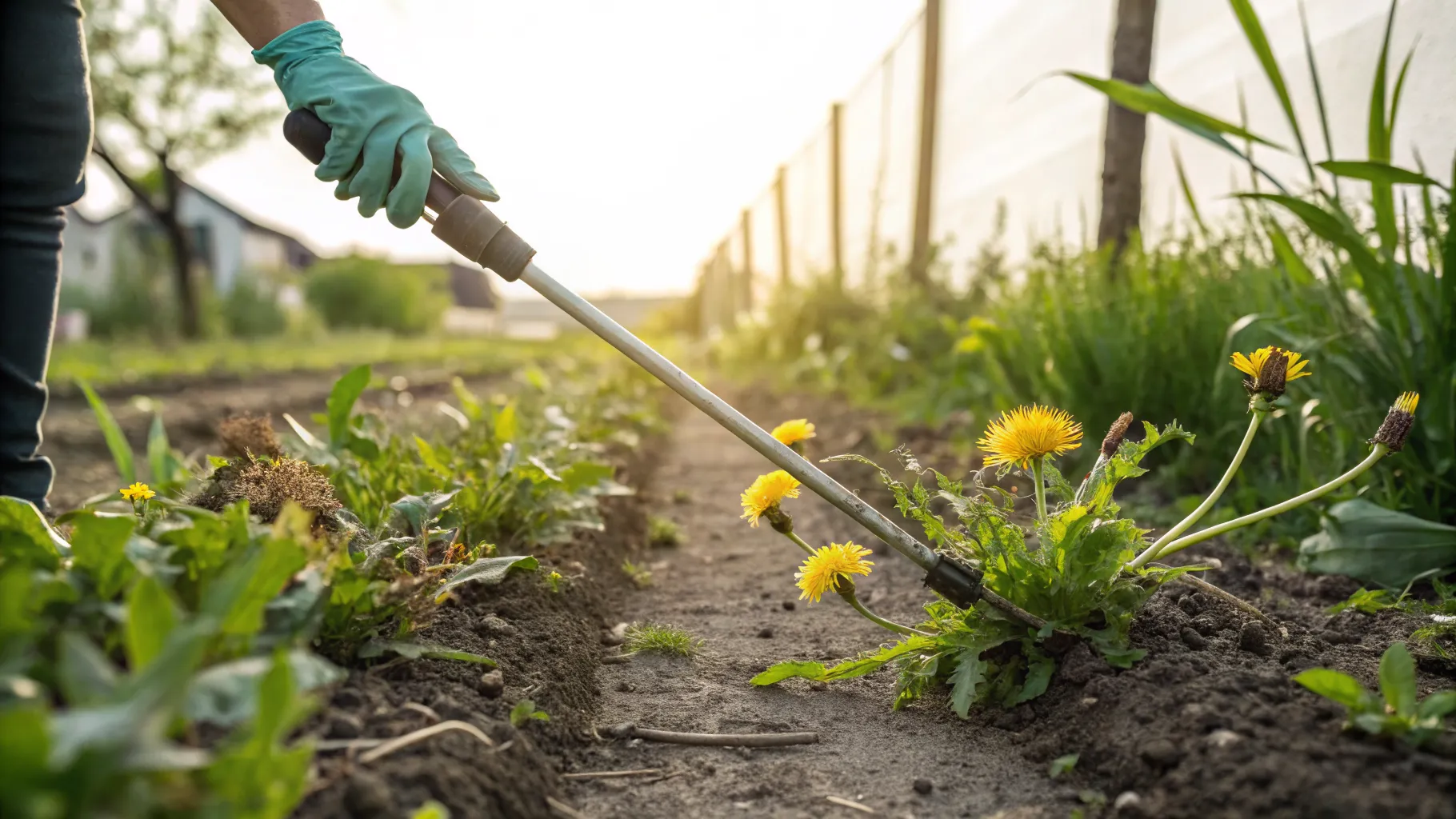
Beyond chemicals and natural sprays, physical removal with the right equipment is a cornerstone of integrated weed management. Using effective permanent lawn clearing tools can make a significant difference. For deep-rooted weeds like dandelions, a stand-up weeder or a hori-hori knife allows you to extract the entire taproot with minimal soil disturbance. For larger areas, a stirrup hoe (also known as a scuffle hoe) is excellent for slicing through young weeds just below the soil surface, severing them from their roots. For clearing extensive, overgrown areas in preparation for a new lawn or garden bed, a powerful rototiller or even a sod cutter can be considered essential permanent lawn clearing tools. These tools don't just remove the weed; they prepare the soil for a healthy, dense turf or garden that can naturally outcompete new weed growth.
Frequently Asked Questions
What is the most effective systemic weed killer spray for stubborn weeds?
The most effective systemic weed killer sprays typically contain glyphosate. They are absorbed by the plant's leaves and travel down to the root system, ensuring the entire plant is killed and preventing regrowth. Always follow the product's safety and application guidelines.
How can I clear pathway weeds naturally without harming pets?
To clear pathway weeds naturally and safely, you can use boiling water, horticultural vinegar, or a flame weeder. These methods are non-toxic to pets once the area is dry or has cooled down, providing an excellent eco-friendly alternative.
What is the best long-term solution for preventing weeds?
The best long-term strategy involves combining methods. Use a pre-emergent herbicide or corn gluten meal in the spring to stop seeds from germinating. This, combined with a thick layer of mulch, provides one of the best long lasting weed prevention formulas for garden beds.
References
- Journal of Environmental Horticulture - Studies on Herbicide Efficacy
- Purdue University Extension - Weed Control for the Homeowner
- The Royal Horticultural Society - Guide to Weed Management
- Organic Growers School - Natural Weed Control Techniques
Authored by FreshLifeWire team