What Happens to Your Blood Pressure If You Stop Taking Medication? Risks and Repercussions
Facts:
- Stopping blood pressure medication abruptly can lead to rebound hypertension.
- Adherence to medication regimens significantly reduces cardiovascular event trends for patients with hypertension.
The Immediate Repercussions of Discontinuing Blood Pressure Medication
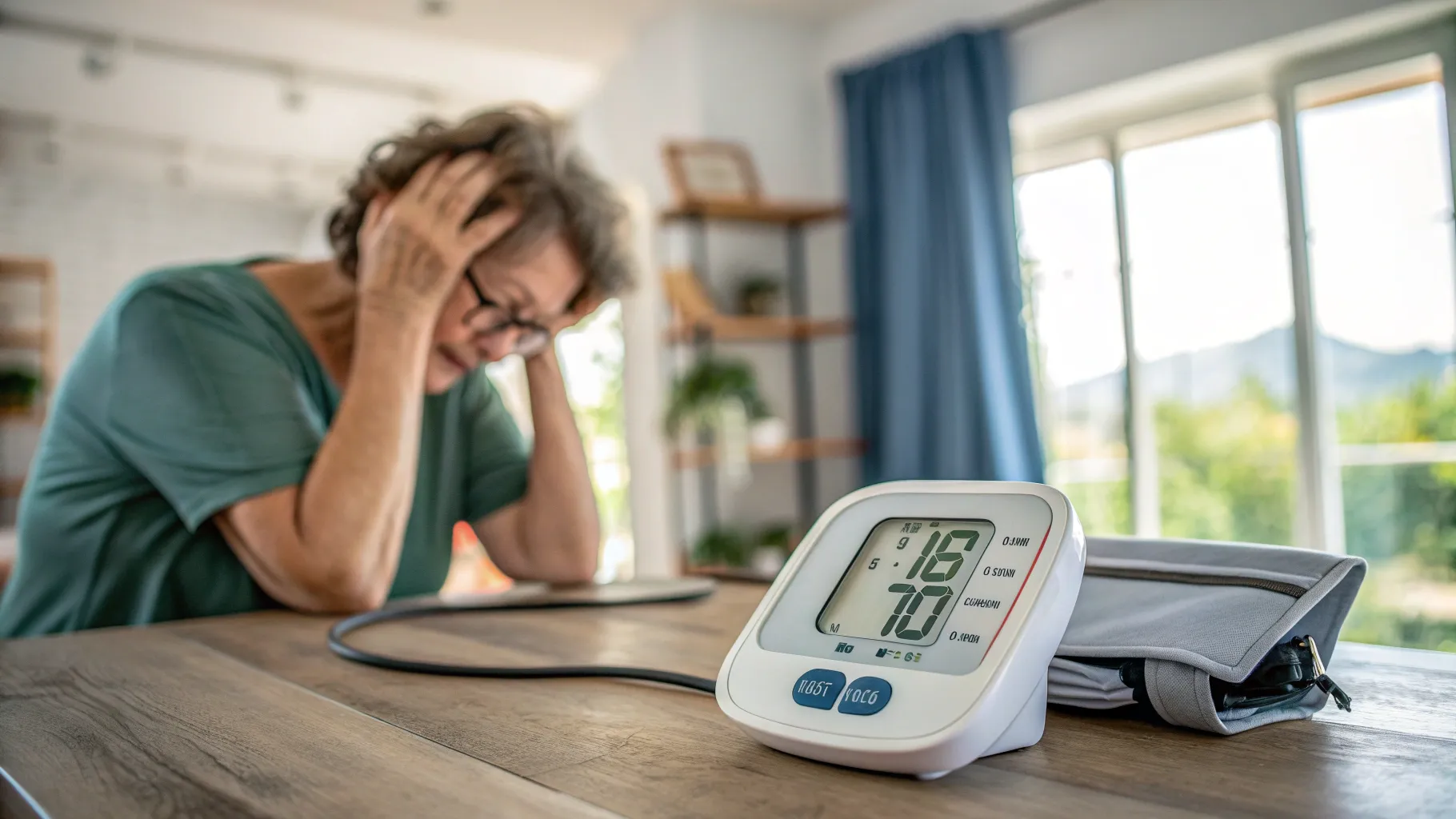
Deciding to cease blood pressure medication is a critical health decision that carries substantial risks. Many individuals often wonder what happens if you stop blood pressure meds, frequently underestimating the immediate and severe stopping blood pressure medication risks. Abruptly discontinuing prescribed antihypertensive drugs can trigger a phenomenon known as 'rebound hypertension,' where blood pressure not only returns to its previous high levels but often spikes even higher, posing an acute danger to cardiovascular health. This immediate increase can lead to symptoms such as severe headaches, dizziness, chest pain, and shortness of breath, making it clear that can stopping blood pressure pills be dangerous without proper medical oversight.
Understanding the Dangers of Stopping Hypertension Medication
The dangers of stopping hypertension medication extend far beyond just an immediate rise in blood pressure. Long-term use of these medications is often essential for managing chronic conditions, and their discontinuation can unravel years of careful control. Patients who abruptly stop their treatment expose themselves to an elevated risk of severe cardiovascular events. These include strokes, heart attacks, and kidney failure, as the body struggles to cope with the sudden absence of the therapeutic effects of the medication. The sustained high pressure puts immense strain on arteries, leading to accelerated atherosclerosis and organ damage. It is crucial to understand that hypertension is a silent killer, and the medication is often the primary barrier against its devastating consequences. Ignoring these risks and deciding to stop treatment independently can have irreversible health consequences, highlighting why professional medical advice is paramount.
Navigating Side Effects and Blood Pressure Spikes After Stopping Meds
When considering what happens if you stop blood pressure meds, it's vital to recognize the myriad of potential side effects of stopping bp medication. Beyond the obvious rise in blood pressure, patients might experience a range of withdrawal-like symptoms. These can include anxiety, tremors, sweating, and rapid heart rate, making the experience distressing and reinforcing the perception of the dangers involved. The severity of these symptoms often correlates with the duration and type of medication being discontinued. The most concerning immediate effect is the rapid and significant blood pressure spike after stopping meds, which can occur within hours to days. This spike is not merely a return to baseline but can often exceed pre-treatment levels, putting patients at a heightened risk for acute emergencies. Healthcare providers emphasize the importance of gradual tapering under supervision, if discontinuation is deemed appropriate, to mitigate these severe reactions and provide the body time to adjust.
Long-Term Risks and Complications of Uncontrolled Blood Pressure
The decision to stop blood pressure medication, particularly without medical guidance, sets the stage for severe long-term health complications due to uncontrolled blood pressure after stopping medication. Over time, persistently high blood pressure damages vital organs, including the heart, brain, kidneys, and eyes. This can manifest as heart failure, where the heart struggles to pump blood effectively; chronic kidney disease, potentially leading to dialysis; and vision loss due to damage to the blood vessels in the retina. Furthermore, the risk of stroke, a leading cause of disability and death, dramatically increases with sustained hypertension. The cumulative effect of high blood pressure complications without medication severely diminishes quality of life and significantly shortens life expectancy. Patients must understand that managing hypertension is often a lifelong commitment, and discontinuing treatment exposes them to these debilitating outcomes.
Actionable Advice for Managing Medication Changes
If you are considering changes to your blood pressure medication regimen, the most crucial step is to consult your healthcare provider. Never stop taking your medication abruptly. Here's actionable advice:
- Schedule an Appointment: Discuss your concerns, reasons for wanting to stop, or any side effects you're experiencing with your doctor. They can evaluate your current health status and determine if dose adjustment or a different medication is suitable.
- Understand Your Condition: Educate yourself about your specific type of hypertension and why your medication is prescribed. This knowledge helps reinforce the importance of adherence and the potential dangers of stopping hypertension medication.
- Explore Lifestyle Modifications: Your doctor might suggest lifestyle changes like diet, exercise, and stress reduction. These can sometimes help reduce the need for medication, but only under professional guidance.
- Gradual Tapering (If Recommended): If your doctor determines that you can safely reduce or stop your medication, they will provide a specific tapering schedule. This gradual approach minimizes the risk of a severe blood pressure spike after stopping meds and reduces the side effects of stopping bp medication.
- Monitor Your Blood Pressure: Regularly monitor your blood pressure at home and report readings to your doctor. This is vital, especially during any medication changes, to catch any signs of uncontrolled blood pressure after stopping medication early.
Frequently Asked Questions
Is it ever safe to stop blood pressure medication?
It may be safe to stop blood pressure medication under very specific circumstances and only with strict medical supervision. This typically occurs if lifestyle changes have significantly lowered blood pressure to healthy levels, or if the medication is causing severe, unmanageable side effects. However, attempting to do so without a doctor's guidance carries significant stopping blood pressure medication risks.
What are the signs of a blood pressure spike after stopping meds?
A blood pressure spike after stopping meds can manifest with symptoms such as severe headache, dizziness, blurred vision, shortness of breath, chest pain, and sometimes nosebleeds. These are urgent warning signs that require immediate medical attention, indicating potential high blood pressure complications without medication.
How long after stopping medication does blood pressure rise?
The time it takes for blood pressure to rise after stopping medication can vary depending on the type of drug, its half-life, and individual physiology. For some medications, a significant blood pressure spike after stopping meds can occur within 24 to 72 hours, leading to uncontrolled blood pressure after stopping medication very quickly.
References
- American Heart Association guidelines on hypertension management
- National Institutes of Health research on antihypertensive medication adherence
- Clinical studies on rebound hypertension after medication cessation
Authored by FreshLifeWire team