What Are The Newest Treatments For Spinal Stenosis: Exploring Advanced Options
Facts:
- Spinal stenosis affects millions globally, causing pain and mobility issues.
- Trends show increasing adoption of minimally invasive techniques for chronic back pain due to spinal stenosis.
Exploring Cutting-Edge Solutions for Spinal Stenosis Relief
For individuals grappling with the debilitating symptoms of spinal stenosis, the search for effective relief is ongoing. Fortunately, medical science continues to advance, offering a range of spinal stenosis newest treatment options that go beyond traditional approaches. These innovations aim to alleviate pain, restore mobility, and improve quality of life, focusing on precision, reduced recovery times, and long-term efficacy. Understanding these evolving treatments is crucial for patients and healthcare providers alike in navigating the path toward improved spinal health.
Revolutionary Approaches in Minimally Invasive Spinal Stenosis Surgery
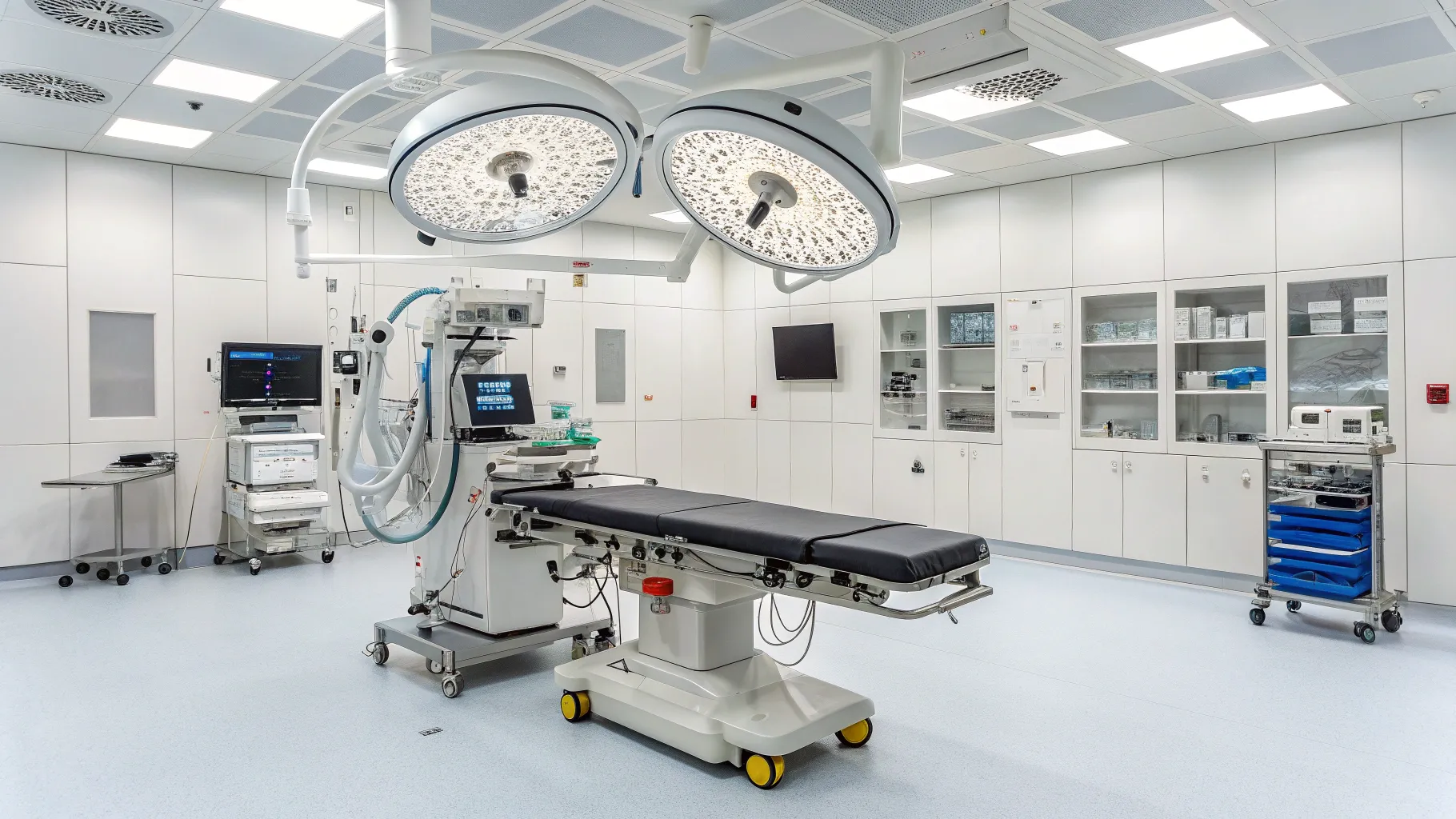
The landscape of surgical intervention for spinal stenosis has been significantly transformed by advances in minimally invasive spinal stenosis surgery. These techniques are designed to achieve the same therapeutic goals as open surgery—decompressing the spinal cord and nerve roots—but with smaller incisions, less muscle disruption, reduced blood loss, and faster recovery. A prominent example is the spinal stenosis decompression procedure, often performed endoscopically or through small tubular retractors. This involves carefully removing bone spurs, thickened ligaments, or disc material that are impinging on the neural structures, providing immediate relief from compression symptoms. Patients often experience less post-operative pain and a quicker return to daily activities compared to conventional open surgery, making these procedures highly desirable for many.
The Role of Interspinous Spacers and Facet Joint Replacement Systems
Among the innovative solutions, the interspinous spacer procedure spinal stenosis has emerged as a viable option for certain patients, particularly those with lumbar spinal stenosis. These devices are implanted between the spinous processes of the vertebrae to help maintain an open space for the nerve roots, thereby relieving pressure. This procedure is less invasive than a traditional laminectomy and can be performed under local anesthesia in some cases. Another significant development is the TOPS system facet joint replacement. Unlike spinal fusion, which restricts motion, the TOPS System is designed to stabilize the spine while preserving motion at the treated segment. This dynamic stabilization system replaces the excised facet joints after a decompression, providing immediate stability and allowing a more natural range of motion. It represents a significant step forward for patients who require more extensive decompression but wish to avoid fusion.
Understanding Spinal Stenosis Injection Therapy and Cost Considerations
For many individuals, non-surgical interventions remain the first line of defense against spinal stenosis. Among these, injection therapies play a critical role in managing pain and inflammation. Epidural steroid injections, nerve block injections, and facet joint injections deliver powerful anti-inflammatory medications directly to the site of nerve compression or inflammation. While these offer temporary relief, they can be highly effective in reducing acute flare-ups and enabling participation in physical therapy. The spinal stenosis injection therapy cost can vary widely depending on the type of injection, the number of injections required, and insurance coverage. Patients should discuss these costs with their healthcare provider and insurance company to understand their financial obligations. Although not a permanent cure, these injections provide a valuable window for other conservative treatments to take effect.
Spinal Stenosis Physical Therapy vs Surgery: A Comprehensive Comparison
The decision between conservative treatment and surgical intervention is often a complex one for patients with spinal stenosis. The debate of spinal stenosis physical therapy vs surgery hinges on several factors, including the severity of symptoms, the presence of neurological deficits, and the patient's overall health. Physical therapy remains a cornerstone of non-surgical management, focusing on strengthening core muscles, improving flexibility, and correcting posture to alleviate pressure on the spinal nerves. It can significantly improve symptoms for many and is often tried for several months before considering surgery. However, for those with severe pain, significant neurological deficits (like weakness or numbness), or symptoms that do not respond to extensive conservative care, surgery, particularly minimally invasive spinal stenosis surgery, may offer more definitive and lasting relief. The choice requires a thorough evaluation by a spine specialist to weigh the potential benefits and risks of each approach.
Navigating the Spinal Stenosis Treatment Recovery Time
Understanding the expected spinal stenosis treatment recovery time is crucial for patients undergoing any intervention. For non-surgical treatments like physical therapy and injections, recovery is generally less intensive, involving managing discomfort and adhering to a rehabilitation program. Patients can often continue most daily activities, with improvements seen over weeks to months. Following minimally invasive spinal stenosis surgery, the recovery period is typically shorter than that for traditional open surgery. Patients might be discharged within a day or two and can often resume light activities within a few weeks. Full recovery, involving a return to more strenuous activities, may take anywhere from two to six months, depending on the individual, the extent of the procedure, and adherence to post-operative physical therapy. For more complex procedures like the TOPS system facet joint replacement, the initial recovery might be slightly longer, but the long-term goal is maintained spinal motion and stability. Each patient’s journey is unique, and individualized recovery plans are essential.
Frequently Asked Questions
What are the primary benefits of minimally invasive spinal stenosis surgery over traditional open surgery?
Minimally invasive spinal stenosis surgery typically involves smaller incisions, less muscle damage, reduced blood loss, shorter hospital stays, less post-operative pain, and a faster overall recovery time compared to traditional open surgical techniques.
How does the interspinous spacer procedure spinal stenosis work to alleviate symptoms?
The interspinous spacer procedure involves implanting a small device between the spinous processes of two vertebrae. This spacer helps to keep the spinal canal slightly open, reducing compression on the nerve roots and relieving pain associated with lumbar spinal stenosis, particularly during extension.
What factors influence the spinal stenosis injection therapy cost?
The cost of spinal stenosis injection therapy can vary based on the type of injection (e.g., epidural steroid, facet joint block), the specific medications used, the number of injections required, the healthcare provider's fees, the location of the procedure, and the patient's insurance coverage and deductible.
What is the typical spinal stenosis treatment recovery time after minimally invasive surgery?
Following minimally invasive spinal stenosis surgery, patients often go home within a day or two. Light activities can usually be resumed within a few weeks, with full recovery and a return to more strenuous activities generally taking between two and six months, depending on individual factors and rehabilitation efforts.
References
- National Institute of Neurological Disorders and Stroke (NINDS). Spinal Stenosis Information Page.
- American Academy of Orthopaedic Surgeons (AAOS). Lumbar Spinal Stenosis.
- SpineUniverse. New Technologies and Techniques for Spinal Stenosis.
- The Journal of Bone and Joint Surgery. Outcomes of Minimally Invasive Lumbar Decompression.
Authored by FreshLifeWire team