Wellness Wearables for Women's over 40
How Wearable Technology Supports Women’s Health After 40
As women enter their 40s and beyond, they often face a myriad of health changes. This transitional phase comes with hormonal fluctuations, lifestyle adjustments, and unique health challenges. Thankfully, advancements in wearable technology provide support tailored specifically to women’s health needs during this time.
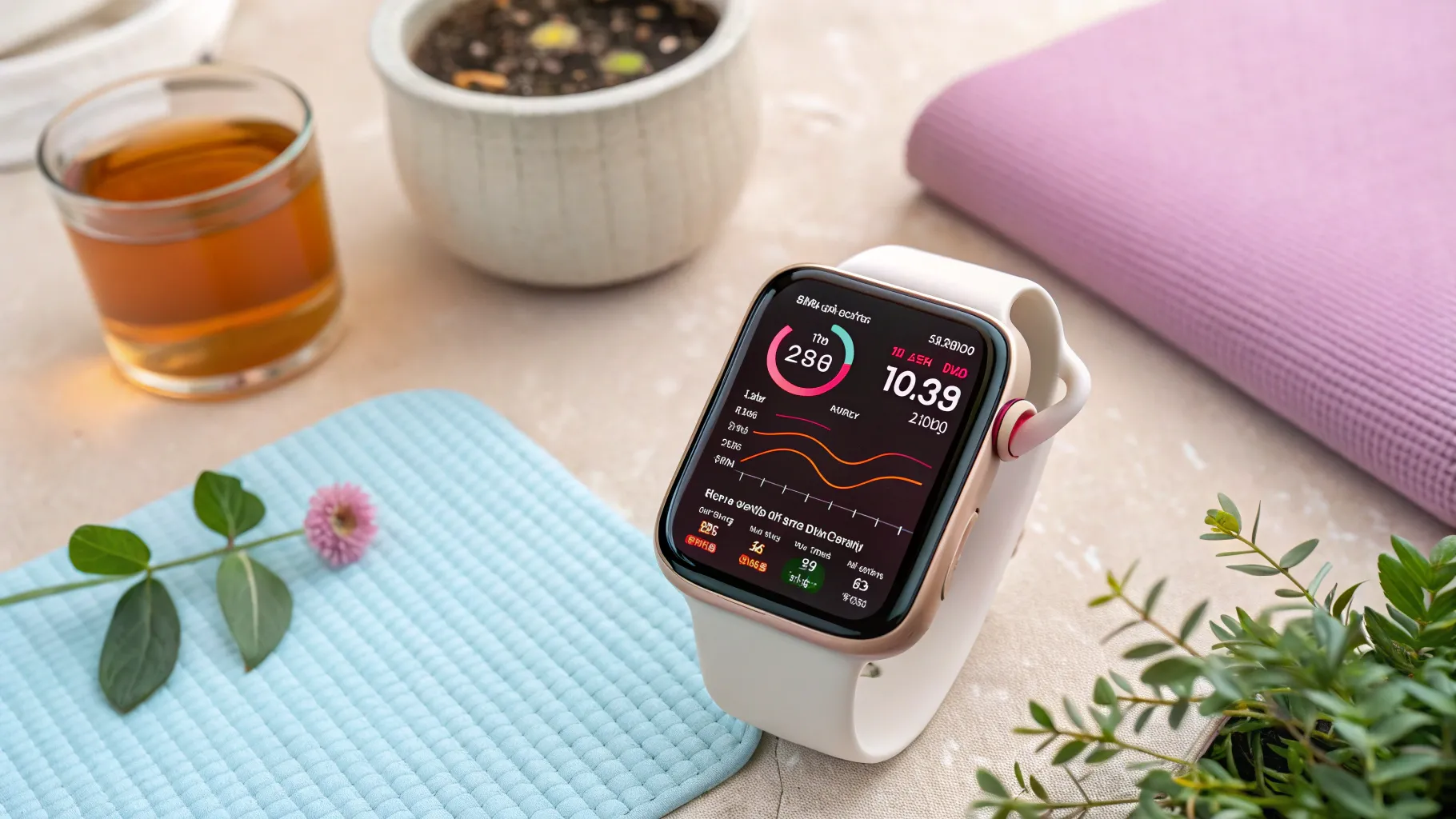
Wearable devices, from smartwatches to fitness trackers, are equipped with an array of features designed to help women monitor and manage their health more effectively. Studies reveal that proactive health monitoring can lead to better outcomes in midlife women. For instance, a recent survey highlighted that 68% of women aged 40 and above reported feeling more empowered and in control of their health after beginning to use wellness wearables.
Tracking Hormonal Changes with Wellness Wearables in Midlife
One of the most significant benefits of wellness wearables is their ability to track hormonal changes, which can be crucial for women as they approach menopause. Many modern fitness trackers now come equipped with features that help monitor menstrual cycles and related symptoms. For example, some wearables offer cycle-tracking functionalities that alert users about ovulation and fertility windows, tailoring insights based on individual hormonal patterns.
With hormonal changes often linked to symptoms such as mood swings, hot flashes, and irregular periods, having data on hand allows women to prepare and adjust their lifestyle accordingly. For instance, a recent study indicates that wearable devices that track hormonal levels can lead to improved mood management in women aged 40+, enhancing their overall quality of life.
How Fitness Trackers Help Improve Sleep Quality for Women 40 Plus
Sleep disturbances are common among women as they age, often exacerbated by hormonal shifts. Research shows that inadequate sleep can negatively impact physical health, emotional wellbeing, and cognitive function. Fitness trackers equipped with sleep monitoring capabilities can provide women with insights into their sleep patterns.
For example, smartwatches can analyze wearers’ sleep cycles, including deep sleep, light sleep, and REM sleep. Armed with this data, women can make informed decisions about lifestyle changes, such as optimizing their sleep environment or adjusting bedtime routines. In recent months, data suggests that women who utilize sleep-tracking features report 30% improvement in sleep quality by adjusting their habits based on the insights gained from their devices.
- Wearables assist in identifying sleep trends over time to pinpoint what factors improve or disrupt rest.
- Some devices also offer guided breathing exercises and relaxation techniques to help ease sleep onset.
Understanding Stress Management Through Wearable Devices for Women
Stress can profoundly affect women’s health, particularly during midlife, when balancing career, family, and personal health becomes increasingly challenging. Wearable technology serves as an invaluable tool for stress management. Many devices offer features such as heart rate monitoring and guided mindfulness exercises.
Heart rate variability (HRV) is another crucial metric that wearables provide. HRV refers to the variation in time between heartbeats and is a strong indicator of stress level and overall heart health. A recent report from health technology experts revealed that women using wearables to track HRV experienced a 45% reduction in perceived stress when they practiced mindfulness techniques as prompted by their devices.
Moreover, the wearable industry is rapidly integrating biofeedback tools which assist users in managing stress responses through real-time data. This capability empowers women to take practical measures, like taking breaks or engaging in calming activities when stress levels spike.
The Role of Heart Rate Variability Tracking in Women’s Wellness After 40
Heart rate variability is crucial for understanding how stress, lifestyle choices, and health conditions impact women's wellness after 40. Devices that consistently track HRV can alert users to changes that may signify a need for intervention. For instance, if a woman's HRV declines significantly, this can be a sign of excessive stress or inadequate recovery, prompting her to reassess her lifestyle.
Many fitness and wellness devices now enable women to track their HRV trends over weeks or months, providing a clearer picture of their health. The insights gained help women develop better coping strategies whether through exercise, meditation, or lifestyle changes.
Benefits of Temperature and Sleep Tracking Wearables for Women in Menopause
For women undergoing menopause, temperature regulation can become more challenging, as hot flashes and night sweats are common symptoms. Wearable devices that track body temperature can provide important insights into these symptoms, allowing for better management.
Recent advancements in wearables include sensors that detect fluctuations in body temperature and correlate them with sleep quality and overall wellbeing. A study conducted this year found that women utilizing these features reported feeling more comfortable and had better-managed symptoms during their menopausal transition.
Moreover, understanding these bodily changes allows women to engage in timely discussions with healthcare providers and establish personalized treatment plans that may include hormonal therapies or lifestyle adjustments.
As 2025 continues to unfold, the role of wellness wearables in supporting women's health after 40 is clearer than ever. By providing critical data on hormonal fluctuations, stress levels, sleep quality, and temperature changes, these devices empower women to live healthier, make informed healthcare decisions, and enhance their quality of life. With growing awareness and accessibility, the future of women's health is increasingly intertwined with wearable technology, transforming how women manage their wellbeing in midlife and beyond.
Authored by FreshLifeWire team