Does Weightlifting Boost Testosterone Levels Effectively
Weightlifting and Its Ties to Testosterone Levels
As individuals seek to optimize their physical health, one question arises frequently: Does weightlifting naturally boost testosterone levels? It's a topic that has garnered much attention in recent years, particularly among fitness enthusiasts and health professionals. In 2025, scientific advancements and numerous studies continue to shed light on the critical relationship between resistance training and hormone production, especially testosterone.
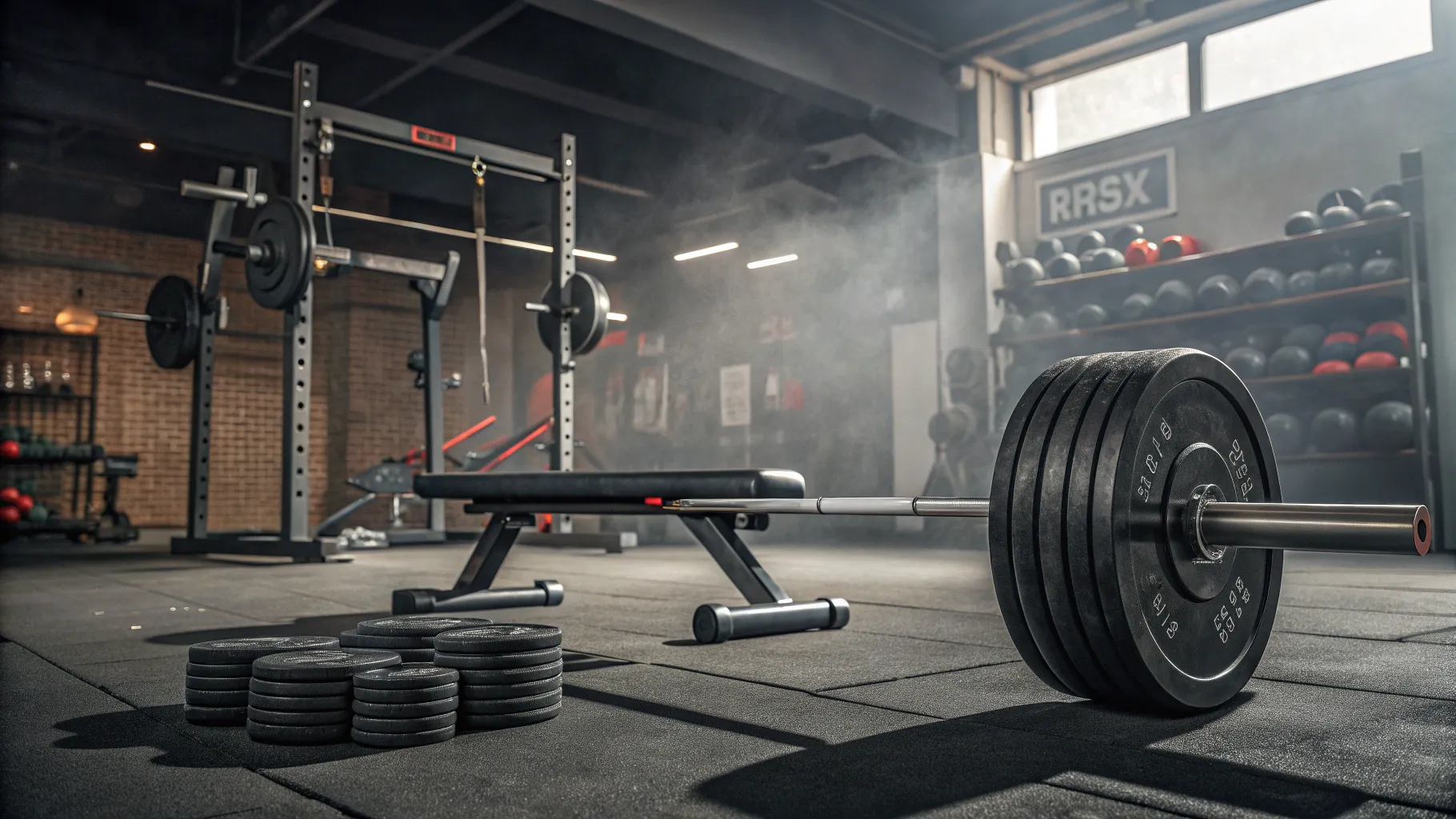
The Science Behind Testosterone Production
Testosterone is often referred to as the primary male sex hormone, but it's important to note that it also plays significant roles in women’s health. This hormone influences muscle mass, fat distribution, and even mood regulation. The body's production of testosterone can be impacted by various factors, including age, diet, sleep, and exercise habits.
Recent studies indicate that physical activity, particularly resistance training such as weightlifting, can stimulate testosterone production. According to research published in early 2025, weightlifting sessions, especially those focusing on larger muscle groups, lead to an acute spike in the secretion of testosterone and other anabolic hormones. The American Journal of Physiology recently reported that men who engaged in comprehensive weightlifting routines experienced a 15-20% increase in testosterone levels immediately following their workouts.
What Type of Weightlifting is Most Effective?
Not all weightlifting routines are created equal when it comes to boosting testosterone. Recent findings suggest that compound movements, which engage multiple muscle groups, tend to elicit greater hormonal responses. Exercises such as squats, deadlifts, and bench presses are particularly effective.
- Squats: This exercise activates the largest muscle group in the body – the legs – triggering a significant release of testosterone.
- Deadlifts: Engaging the core, back, and legs, deadlifts elicit a strong hormonal response.
- Bench Press: By focusing on the chest, shoulders, and triceps, the bench press also contributes to testosterone increases.
The Role of Intensity and Volume
Intensity and volume also play crucial roles in how weightlifting affects testosterone levels. Studies show that higher intensity lifting, characterized by heavier weights and lower repetitions, tends to have a more profound impact on testosterone production compared to lighter weights and higher repetitions. For instance, a recent 2025 study highlighted that men who performed 4–6 heavy repetitions of bench presses saw a 30% increase in testosterone compared to those who performed 12–15 lighter repetitions.
Volume is important too; training with more sets can be beneficial. A higher number of sets has been associated with elevated testosterone levels post-exercise. Balancing both intensity and volume can create a potent effect in your workout regime.
Why Consistency Matters
Weightlifting is not just a one-time solution for boosting testosterone; consistency is key. Regular engagement in resistance training allows for sustained hormonal benefits. Experts advise at least two to three weightlifting sessions per week focused on major muscle groups. This approach not only enhances muscular endurance and strength but also helps maintain elevated testosterone levels over time.
In a groundbreaking 2025 study, a group of participants who engaged in consistent weightlifting for 12 weeks showed a noticeable rise in their baseline testosterone levels by an average of 20%. Conversely, sedentary individuals exhibited a decline in testosterone levels, highlighting the necessity of lifelong physical activity.
Nutritional Factors at Play
Diet also plays a pivotal role in hormone production. It’s not enough to lift weights alone; what you eat significantly influences testosterone levels. Foods rich in zinc and vitamin D are vital for testosterone synthesis. Incorporating foods such as oily fish, avocados, nuts, and eggs can support hormonal health. Moreover, having a balanced diet that includes protein, healthy fats, and carbohydrates post-workout is crucial for recovery and muscle growth.
A recent survey in health journals in 2025 noted that participants who matched their weightlifting routines with an anabolic diet experienced enhanced testosterone levels compared to those who did not align their nutrition with their workout demands.
Maximizing Your Gains and Testosterone
Aside from weightlifting and proper nutrition, several lifestyle factors can streamline your journey to boosted testosterone levels. Getting adequate sleep—7 to 8 hours per night—remains critical, as sleep deprivation has been linked to reduced testosterone levels. Stress management techniques, such as mindfulness and yoga, are equally important, as high cortisol levels can negatively affect testosterone production.
As you navigate your weightlifting journey, track your testosterone levels alongside fitness progress. Working with a healthcare professional or coach can ensure that your training and lifestyle choices effectively support your hormonal health. Performing regular blood tests can help monitor testosterone, ensuring maintaining optimal levels throughout your physical routine.
Final Thoughts on Weightlifting and Testosterone
In 2025, the evidence clearly supports that weightlifting does boost testosterone levels significantly. By utilizing compound movements, maintaining a high-intensity and high-volume regime, focusing on nutrition, and ensuring stress is managed, you can create an environment conducive to maximal testosterone production. More than just a means for physical strength, weightlifting proves to be a natural ally in enhancing your hormonal health, ultimately contributing to better quality of life, mood, and overall vitality.
As always, consult with experts and individualize your approach to fit your specific needs. Embrace the journey of weightlifting not just as a means to physical transformation, but as a pathway to hormonal harmony and overall wellness.
Authored by FreshLifeWire team