Weight Loss Injections Guide to Fat Burning Shots Benefits
Weight Loss Injections Exploring the Rapid Rise in Fat Burning Shots
Weight loss injections have swiftly grown in popularity over the past couple of years, particularly as more and more individuals seek effective and rapid solutions for shedding extra pounds. These fat-burning shots have captured everyone's attention, largely due to the increasing statistics of obesity, which indicate that over 42% of adults in the United States are classified as obese in 2025. As lifestyle interventions often prove insufficient for many, weight loss injections have emerged as a compelling alternative for both weight management and overall health improvement.
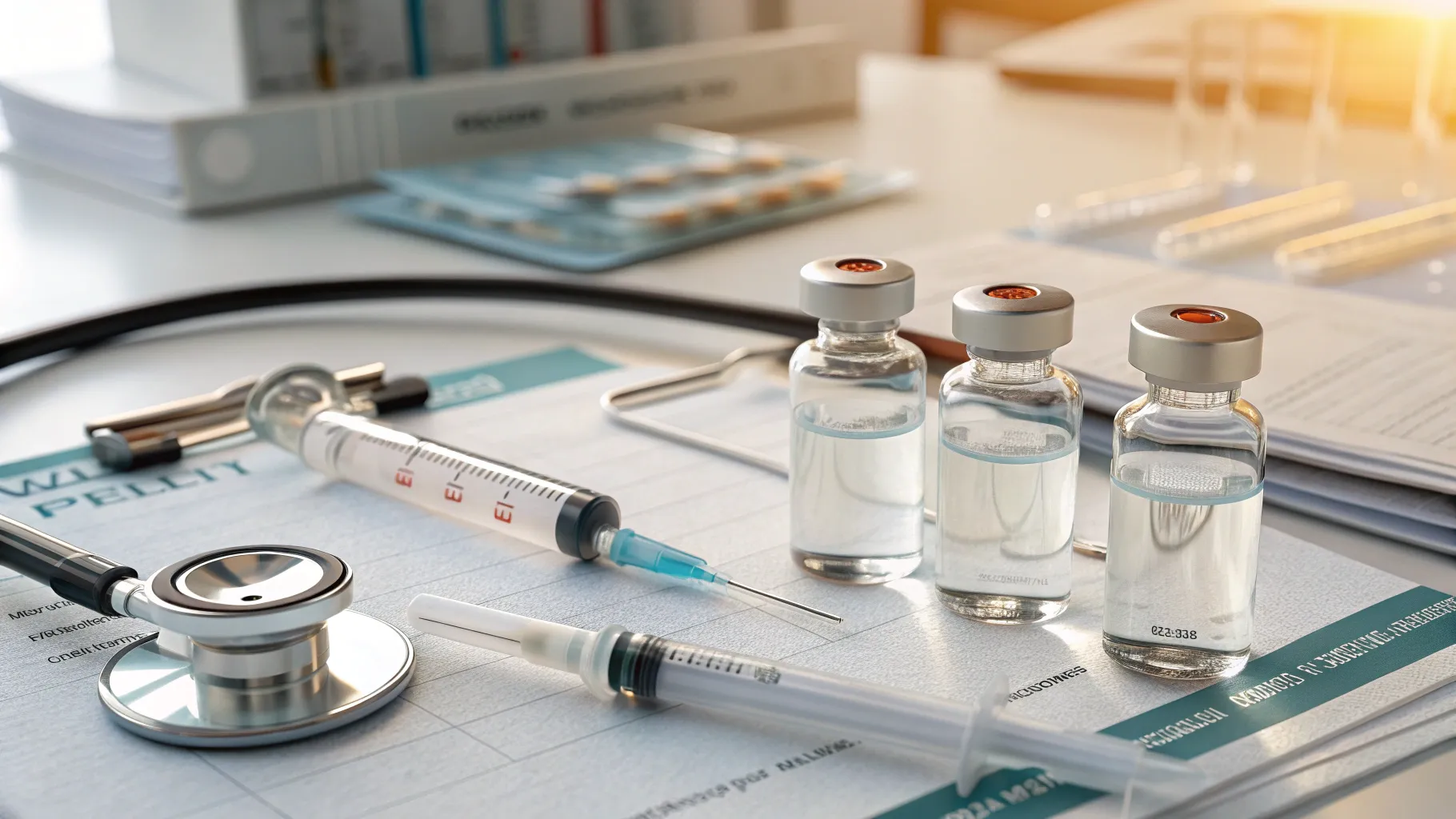
Types of Weight Loss Injections and Their Benefits
Various types of weight loss injections are currently available on the market, each composed of unique ingredients, targeting different aspects of fat loss. Here’s a closer look at the more popular types:
- GLP-1 Receptor Agonists: Drugs like Semaglutide, marketed under names like Ozempic and Wegovy, mimic the effects of the hormone GLP-1 which promotes insulin secretion, and reduces appetite. Clinical trials showed that participants lost an average of 15% of their body weight over a 68-week period, representing a substantial achievement for drug-assisted weight loss.
- Fat Burning Shots (Lipotropic Injections): These injections typically contain a combination of amino acids, B vitamins, and other ingredients intended to enhance fat metabolism and facilitate fat burning in the liver. Many individuals attest to feeling more energized with these shots, making them a popular choice among those with sluggish metabolism.
- HCG Injections: Human Chorionic Gonadotropin (HCG) is a hormone that some claim helps in weight loss by reducing appetite and promoting fat distribution. However, the effectiveness and safety of HCG are highly debated in the medical community, so it’s essential to discuss this with a healthcare professional.
With an ever-growing consensus on the importance of maintaining a healthy weight, these injections provide a viable alternative for many, particularly for obese individuals where traditional weight loss methods may fail.
Addressing Side Effects and Risks
As with any medical treatment, weight loss injections come with potential side effects that must not be overlooked. People considering these injections should be aware of the following:
- Nausea, vomiting, and diarrhea can occur, particularly with GLP-1 receptor agonists as the body adjusts to the new hormone balance.
- Fatigue and headache are also reported by some who use lipotropic injections, which may lead to temporary discomfort.
- HCG injections may lead to mood swings and possible hormonal imbalances, which could have wider implications on mental and physical health.
To ensure safety, it is crucial to consult with a healthcare provider before starting any injection treatment. Individual responses can vary significantly, and medical professionals are best equipped to guide the decision-making process.
The Benefits of Weight Loss Injections
Despite the potential side effects, the benefits of weight loss injections often overshadow these concerns for many individuals:
- Rapid Results: Many users experience significant weight loss within a few months. For example, a recent study on Semaglutide showed 86% of prime participants achieved a reduction in at least 10% of their body weight at week 68.
- Boosted Confidence: The psychological benefits of losing weight through injections can include improved self-esteem and body image, potentially leading to better social interactions and overall quality of life.
- Enhanced Physical Health: Reducing weight lowers the risk of developing chronic conditions such as Type 2 diabetes, cardiovascular diseases, and hypertension. This has been increasingly backed by clinical studies demonstrating health improvements after weight loss injection therapy.
The Price of Weight Loss Injections
When considering weight loss injections, understanding the cost is essential. Prices can vary significantly based on the type of injection and geographical location. On average, semaglutide injections can cost approximately $1,500 to $2,000 monthly, while lipotropic shots are often priced around $250 to $500 per month. Many clinics offer package deals that can help reduce costs but ensure they work with licensed medical professionals for best practices.
The affordability aspect remains a constant barrier for some; however, insurance companies are progressively considering coverage for medically necessary weight loss treatments, especially as obesity rates soar.
Where to Buy Weight Loss Injections
Purchasing weight loss injections should be approached with caution. They are primarily available at specialized clinics, medical offices, and pharmacies that have been certified to distribute these treatments. It’s crucial to conduct research to find reputable providers to avoid potential scams or illegal substances. Several online consultations are available where clinics offer telehealth services, providing an accessible route for those seeking guidance on their weight loss journey.
Moreover, always remember to check for proper licensing and reviews from previous patients to ensure their legitimacy. Online pharmacies may also carry these injections but require careful scrutiny to ensure they source products from credible manufacturers.
In 2025, the journey toward weight loss through injections continues to evolve, driven by technological advancements and ongoing research. With a well-informed approach, individuals can explore these innovative solutions to improve their health and well-being.
Authored by FreshLifeWire team