Weed Removal Solutions Guide Natural and Chemical Methods
Effective Weed Removal Solutions for Your Garden
Gardening can be a fulfilling hobby, but it often comes with its fair share of challenges. Among the most persistent problems that gardeners face in 2025 is weed growth. Weeds not only detract from the aesthetic appeal of your garden but also compete with your plants for vital nutrients, water, and sunlight. This article explores a variety of weed removal solutions, ranging from natural methods to chemical applications, while focusing on eco-friendly practices that are increasingly favored by gardeners today.
Natural Ways to Remove Weeds
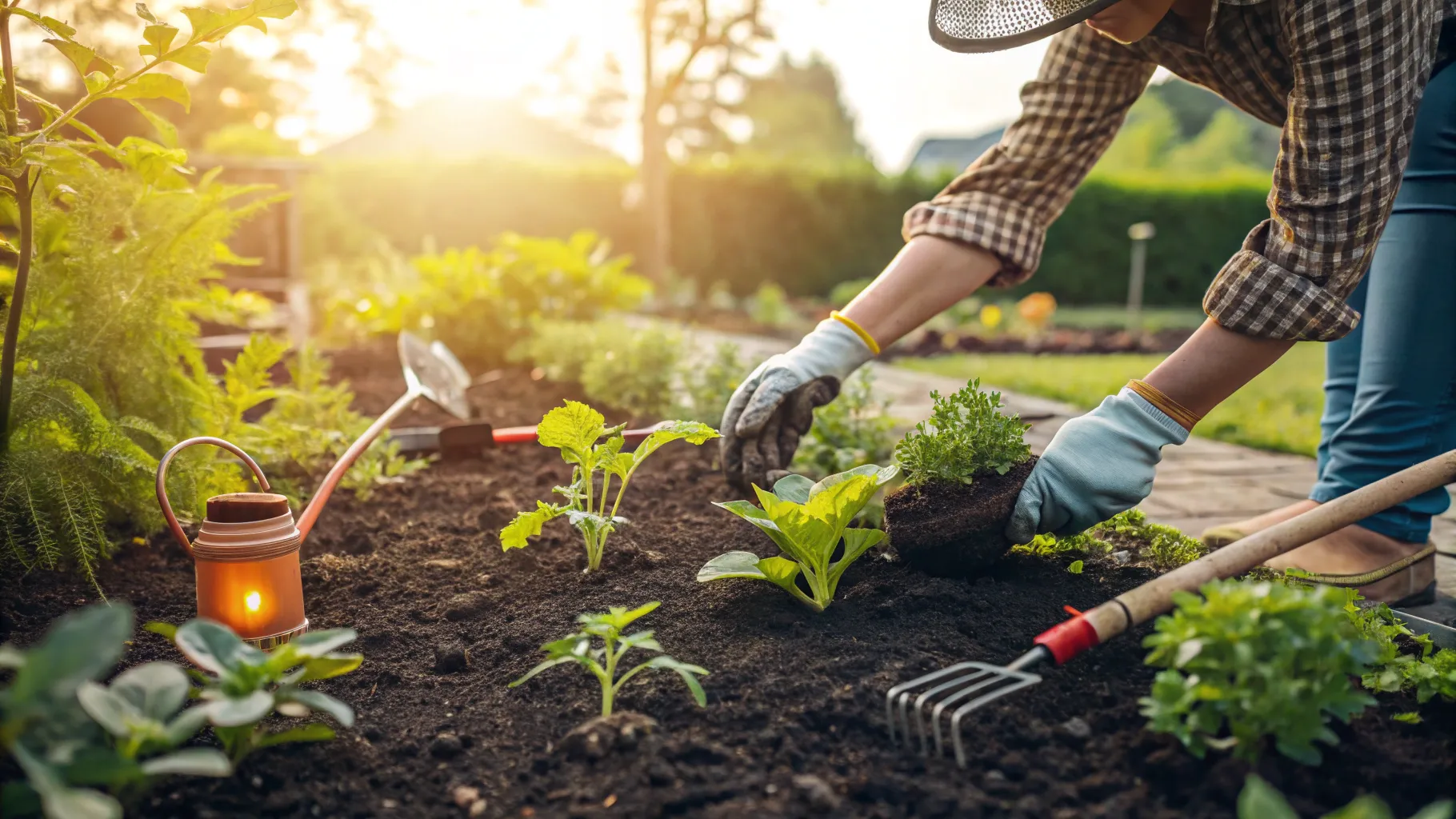
For those who prefer a hands-on approach, there are several effective natural ways to remove weeds that can be implemented right in your backyard. These methods are not just beneficial for the plants but also for the environment.
- Hand-pulling: One of the simplest yet most labor-intensive ways to combat weeds is by hand-pulling. Ensure to pull them out from the root to prevent regrowth. This technique is highly effective for small areas and allows you to foster a stronger bond with your garden.
- Mulching: Applying organic mulch like straw or wood chips around your plants creates a barrier that inhibits weed growth. Mulch helps retain moisture and regulates soil temperature, further benefiting your plants.
- Boiling Water: Pouring boiling water directly onto unwanted weeds is a practical solution that instantly kills them without harming the surrounding soil. This approach is especially useful for pathways and driveways.
- Vinegar Solution: Household vinegar, particularly the stronger varieties, can be used as an effective herbicide. Spraying it on weeds can desiccate them effectively. Simply mix equal parts vinegar and water in a spray bottle for easy use.
- Salt: Salt can also be a powerful weed killer when used judiciously. Mixing salt with water and applying it to susceptible areas will help to dry out weeds. However, beware of using it excessively, as it can adversely affect soil health.
Recent studies from 2024 indicated that over 60% of gardeners have successfully implemented these natural methods, highlighting their growing popularity as eco-friendly weed control solutions.
Chemical Weed Removal Methods
While natural remedies are preferred by many, sometimes the swift efficiency of chemical methods can be necessary, especially in larger gardens or for persistent weed types. Chemical herbicides can effectively serve as a weed removal solution, but they come with important considerations.
- Selective Herbicides: These target specific weeds without harming your desirable plants. Products containing ingredients like 2,4-D or glyphosate are commonly used, however, caution should be exercised to follow application guidelines to minimize environmental impact.
- Pre-emergent Herbicides: This type prevents weed seeds from germinating and is best applied before planting or during early spring. It acts eclectically to stop weeds before they become a nuisance.
- Post-emergent Herbicides: Perfect for tackling weeds already established, this category includes various formulations and can be applied directly to actively growing weeds but requires careful timing and technique.
Using chemicals requires awareness about their impact on non-target plants and local ecosystems. A recent survey indicated that 40% of gardeners feel concerned about chemical usage, leading many to combine chemical methods with organic practices.
Tools for Garden Weed Removal
Having the right tools can greatly enhance your weed removal efforts. In 2025, numerous innovative tools are available that cater to different gardening styles and preferences:
- Weeder Tools: Simple hand tools designed for pulling weeds from the root. Many modern designs include ergonomic handles for ease of use.
- Garden Hoes: Can be very effective for creating a barrier and uprooting shallow weeds. The right hoe can save time and energy, especially during large weed infestations.
- Mulch Forks: Ideal for managing and distributing mulch effectively while dislodging any weeds hiding underneath.
- Weed Torches: These devices use heat to kill unwanted plants. They can be particularly effective for driveways or garden paths where precision is less of a concern.
- Soil Solarization: A no-cost tool for long-term weed management, this method involves covering soil with clear plastic for several weeks under the sun, effectively cooking and killing weeds and seeds.
Investing in these tools can make your gardening experience smoother and more enjoyable, paving the way to a healthier garden.
Preventing Weed Growth
Prevention is often better than remedial action when it comes to weeds. The following tips for preventing weed growth can save both time and effort in the long run:
- Regular Maintenance: Weekly checks can prevent weeds from settling in. Catching them early allows for easier removal.
- Dense Planting: Planting flowers and vegetables close together can create a natural shield against weeds. This competition can limit the space and resources available for weeds.
- Use Quality Seeds: High-quality seeds that are more vigorous and disease-resistant can lead to fewer weed problems as they outcompete weeds from the start.
- Soil Health: Keeping your soil productive with organic matter can increase the vitality of your plants, making them less susceptible to weed invasion.
- Crop Rotation: Switching up crops each year can disrupt the life cycle of weeds and prevent them from establishing themselves.
With consistent practices, you can foster a thriving garden that minimizes weed issues without relying solely on harmful chemicals or invasive methods. In 2025, the trend towards sustainable gardening continues to grow, with more individuals seeking solutions that align with both their gardening and environmental goals.
Authored by FreshLifeWire team