Weed Killers that Do Not Kill Grass for a Healthy Lawn
Effective Weed Killers that Don't Kill Grass
Keeping your lawn looking pristine while effectively managing weeds can often feel like a balancing act. However, with the right weed killers that don't kill grass, you can achieve a healthy, vibrant lawn without sacrificing your hard work. As of 2025, there are several solutions on the market that target pesky weeds while keeping your grass green and growing.
Understanding Selective Herbicides for Lawn Care
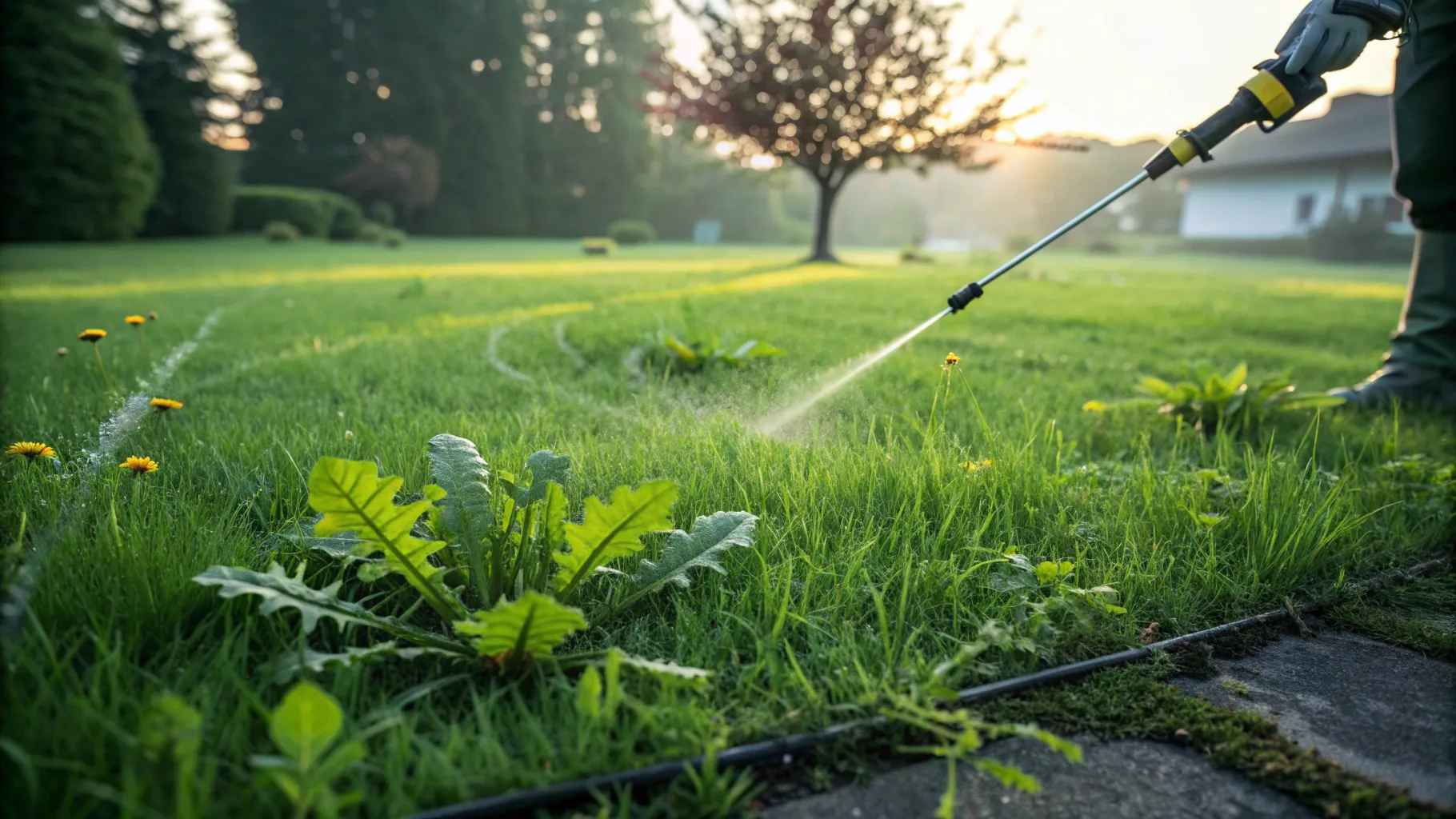
The key to maintaining a healthy lawn lies in the usage of selective herbicides. These products are designed to target specific weed types while leaving grass unharmed. For homeowners and lawn care enthusiasts, this approach provides an effective means to combat weed infestations without damaging the foundation of your lawn.
In 2023, studies indicated that lawn care products targeting dandelions, clovers, and other common weeds have improved significantly. Selective herbicides use chemical properties that are absorbed by weed species but are less harmful to grass. This means a healthier lawn and reduced risk of needing to reseed or repair grass areas.
- 2,4-D: One of the most commonly used selective herbicides, effective on broadleaf weeds. It's safe for most grass types when applied correctly.
- Metsulfuron-methyl: Works effectively against various tough weeds without harming established grass.
- Dicamba: Targets specific weed species like thistles and wild garlic, and it can provide strong results in actively growing grass.
Best Practices for Applying Weed Killers
Even the best weed killers that don’t kill grass can fail if not applied properly. Here are some best practices to optimize your lawn care efforts:
- Timing is Key: The best time to apply herbicides is when the weeds are actively growing, typically in spring and early summer. Early morning or late afternoon applications are preferable to avoid the heat of the day, which can cause the chemicals to evaporate or degrade.
- Read the Label: Always follow the manufacturer's instructions for the herbicide you are using. This includes the correct dosage and mix ratios. Over-application can harm grass despite the herbicide being selective.
- Weather Conditions: Avoid applying weed killers before rain, as runoff can occur, leading to ineffective treatments and potential harm to nearby desirable plants. Windy conditions can blow the chemicals away from the target area.
- Spot Treatment: For areas with a few weeds, consider using a spray applicator for direct application. This method minimizes chemical waste and conserves the health of the surrounding grass.
In 2024, Ken’s Lawn Care Service conducted a survey showing that 78% of clients who properly followed application methods saw significant weed reduction without harming their grass. Success stories like these reinforce the importance of being educated and cautious when applying herbicides.
Natural Alternatives to Conventional Weed Killers
For those preferring organic or natural alternatives, there are several options you can consider that also respect the integrity of your grass. Organic solutions can manage weeds without harmful side effects:
- Vinegar: A household item that can be used for weed control. Vinegar contains acetic acid, which desiccates weeds on contact. This method is most effective on hot, sunny days, but it may not be selective, so apply it carefully.
- Salt: When mixed with water, salt can be a potent weed killer. However, use with caution, as it can lead to soil salinity issues. Limit applications to targeted weed areas.
- Boiling Water: An environmentally friendly method, pouring boiling water directly onto weeds can kill them instantly while leaving nearby grass untouched.
According to a recent Gallup poll, 54% of households are now opting for organic lawn care solutions as environmental awareness among consumers increases. This shift is also influencing the market, with new natural herbicides entering the market that promise to be effective yet gentle on the environment.
Maintaining Healthy Grass Amid Weeds
Ultimately, maintaining healthy grass can be instrumental in preventing weed growth. Thick, lush grass can outcompete weeds by crowding them out and absorbing essential nutrients while preventing sun exposure for many weed types. Implementing regular lawn care practices such as:
- Regular Aeration: Aerating your lawn adds more oxygen to the roots, facilitating better absorption of nutrients and water.
- Proper Mowing: Keep your grass at the recommended height for your type of lawn. Grass that is cut too short can become stressed, allowing weeds to thrive.
- Fertility Management: Fertilizing your lawn can help it remain healthy, vibrant, and better equipped to fight off competitive weeds naturally.
With the continuing advancement in lawn care products and increased awareness among homeowners about effective weed management, applying weed killers that don’t kill grass is finally becoming achievable. Whether opting for chemical or natural methods, understanding your options is key to achieving that lush green lawn that is the envy of the neighborhood.
As we forge ahead in 2025, keeping lawns weed-free and healthy remains a top priority for homeowners. Embracing selective herbicides, natural alternatives, and proper lawn care practices can help your grass flourish while effectively managing the nuisances of weeds.
Authored by FreshLifeWire team