Ultimate Guide to Reduce Dark Spots: Effective Skincare and Treatments
Facts:
- Hyperpigmentation affects millions of people worldwide.
- Topical retinoids are a leading trend for skin tone appearance topics.
Understanding the Science Behind Hyperpigmentation
Dark spots, scientifically known as hyperpigmentation, are a common skin concern that can affect anyone, regardless of skin type or tone. They occur when an excess of melanin, the pigment that produces normal skin color, forms deposits in the skin. This can be triggered by sun exposure, hormonal changes, inflammation from acne, or skin injuries. Finding effective ways to reduce dark spots is a primary goal for many individuals seeking a more even and radiant complexion. This guide delves into proven hyperpigmentation care tips and strategies, offering a comprehensive look at how you can manage this condition. We will explore everything from daily skincare adjustments to advanced professional treatments, ensuring you are well-equipped to tackle this common issue.
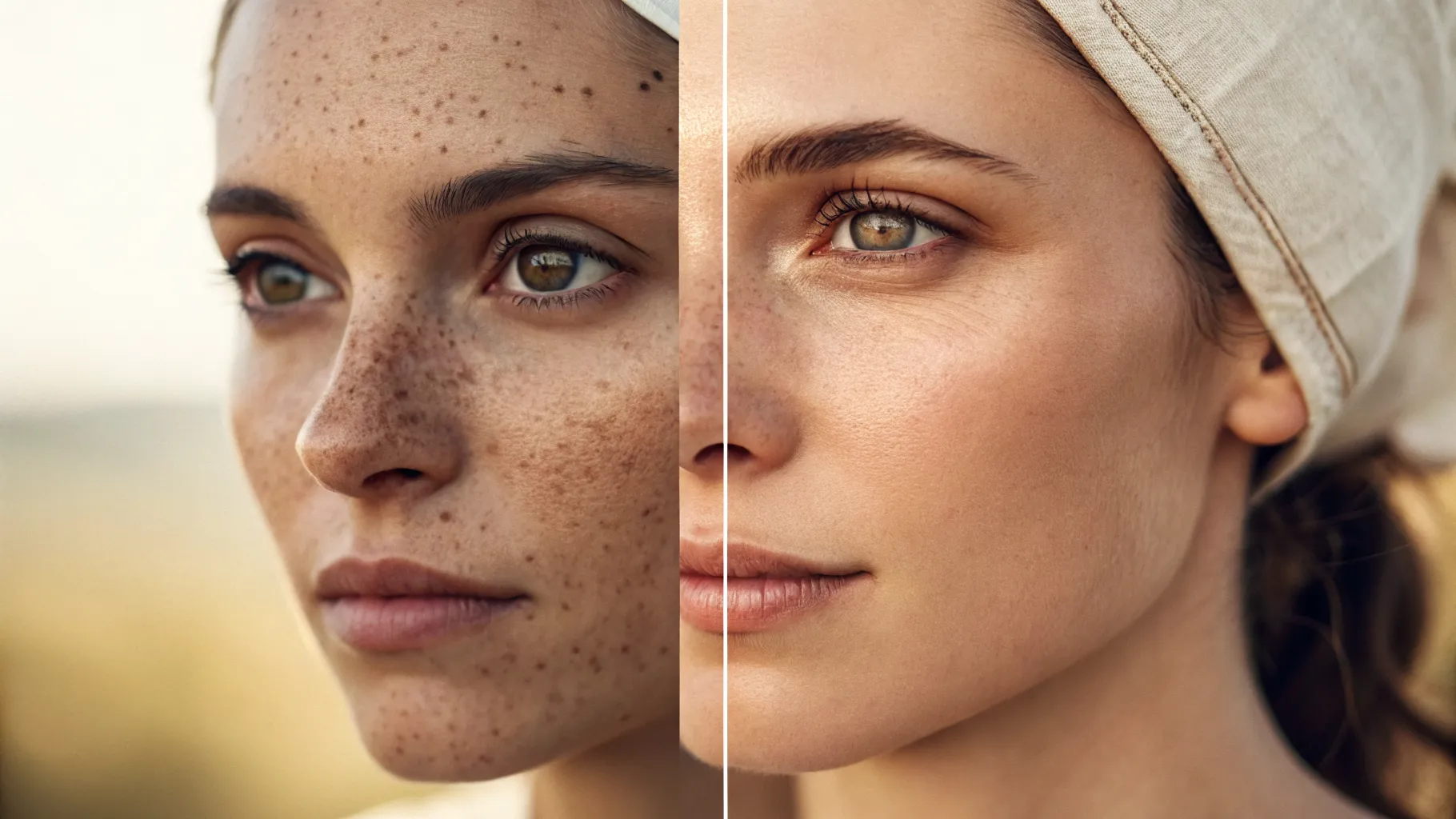
Topical Treatments: Your First Line of Defense
The journey to clearer skin often begins with topical treatments. These over-the-counter (OTC) and prescription products contain active ingredients designed to fade existing spots and prevent new ones from forming. Integrating these into your routine is one of the most accessible ways to reduce dark spots. Many successful dark spot skincare ideas are built around a core of powerful serums and creams. Consistency is crucial, as results typically appear after several weeks or months of diligent use. It's important to choose products suited to your skin type to avoid irritation, which can sometimes worsen hyperpigmentation.
1. Vitamin C Serums
Vitamin C is a potent antioxidant that not only protects the skin from free radical damage but also inhibits the enzyme responsible for melanin production. This action helps to lighten existing dark spots and brighten the overall skin tone. Regular use of a well-formulated Vitamin C serum in the morning can significantly improve the appearance of hyperpigmentation and is a cornerstone of many skin tone appearance topics.
2. Retinoids (Retinol and Tretinoin)
Retinoids, which are derivatives of Vitamin A, are superstars in the world of skincare. They work by accelerating skin cell turnover, pushing pigmented cells to the surface where they can be shed. This process reveals fresher, more evenly toned skin underneath. While OTC retinol is a great starting point, prescription-strength tretinoin offers more dramatic results. Retinoids are a key component in many advanced dark spot skincare ideas.
3. Niacinamide
Niacinamide, a form of Vitamin B3, is a versatile ingredient that addresses hyperpigmentation by preventing the transfer of pigment within the skin cells. It's also known for strengthening the skin barrier and reducing inflammation, making it an excellent choice for those with sensitive or acne-prone skin. It is frequently mentioned in dark spot discussions as a gentle yet effective option.
4. Azelaic Acid
Derived from grains like barley and wheat, azelaic acid has anti-inflammatory and pigment-inhibiting properties. It is particularly effective for post-inflammatory hyperpigmentation (PIH) left behind by acne. It gently encourages cell turnover and reduces melanin production, making it another fantastic tool in the arsenal of hyperpigmentation care tips.
Professional Procedures for Stubborn Dark Spots
When topical treatments don't provide the desired results, professional procedures administered by a dermatologist can offer a more powerful solution. These treatments target pigmentation at a deeper level for more significant and faster improvement. It is always best to engage in thorough dark spot discussions with a qualified professional to determine which procedure is right for you. These methods are among the most effective ways to reduce dark spots that are particularly stubborn.
Chemical Peels
Chemical peels involve applying a solution of acids (like glycolic, salicylic, or trichloroacetic acid) to the skin, which exfoliates the top layers and removes pigmented cells. This stimulates the growth of new, more evenly pigmented skin. The depth of the peel can be adjusted based on the severity of the hyperpigmentation.
Laser Therapy (IPL & Fraxel)
Laser treatments use targeted beams of light to break down melanin in the skin. Intense Pulsed Light (IPL) is effective for sun spots and superficial pigmentation, while fractional lasers like Fraxel penetrate deeper to treat more stubborn discoloration and improve skin texture. These technologies are frequently highlighted in advanced skin tone appearance topics.
Microneedling
Microneedling creates tiny micro-injuries in the skin, which triggers the body's natural healing process and stimulates collagen production. While it can help with hyperpigmentation on its own, it's often combined with topical serums, as the micro-channels created by the needles enhance their absorption and effectiveness.
Building a Daily Routine: Essential Hyperpigmentation Care Tips
A consistent daily skincare routine is fundamental to managing hyperpigmentation. Combining protective measures with targeted treatments will yield the best long-term results. These foundational hyperpigmentation care tips will support any other treatments you pursue and help maintain your results over time. Think of it as the daily work that makes all other efforts successful.
- Sunscreen is Non-Negotiable: The single most important step. Sun exposure is the primary trigger for most types of hyperpigmentation. Use a broad-spectrum sunscreen with at least SPF 30 every single day, even when it's cloudy. Reapplication every two hours is key. This is the most crucial of all ways to reduce dark spots.
- Gentle Cleansing: Avoid harsh scrubs and cleansers that can irritate the skin and lead to inflammation, which can worsen dark spots. Opt for a gentle, pH-balanced cleanser.
- Layer Products Correctly: As a general rule, apply products from thinnest to thickest consistency. For example: cleanser, toner, serum (like Vitamin C), moisturizer, and finally, sunscreen in the morning.
- Patience is Key: It takes time for skin cells to turn over and for dark spots to fade. Don't get discouraged. Stick with your routine for at least 3-6 months to see significant improvement.
At-Home vs. Professional Treatments: A Candid Comparison
Choosing between at-home and professional treatments often comes down to budget, severity of the pigmentation, and desired speed of results. At-home care, focusing on dark spot skincare ideas like using retinoids and vitamin C, is excellent for maintenance and treating mild to moderate spots. It's more affordable and involves no downtime. However, results are gradual. Professional treatments like lasers and chemical peels offer more dramatic and faster results for deep or stubborn pigmentation but come at a higher cost and may require downtime for recovery. A combination approach is often the most effective strategy, using professional treatments to get a head start and a solid at-home routine to maintain the results. This hybrid method is a frequent topic in dark spot discussions among skincare enthusiasts and professionals alike.
Lifestyle Factors That Influence Skin Tone Appearance
Beyond products and procedures, certain lifestyle factors can significantly impact your skin's health and appearance. Managing these is an often-overlooked part of a holistic approach to skincare. For instance, chronic stress can lead to hormonal fluctuations that may trigger breakouts and subsequent hyperpigmentation. Similarly, a diet high in antioxidants can help protect the skin from environmental damage. It's also critical to avoid picking at blemishes, as this trauma is a direct cause of post-inflammatory hyperpigmentation. Comprehensive skin tone appearance topics always acknowledge the connection between internal health and external radiance, making lifestyle a key part of the solution.
Frequently Asked Questions
How long does it take for most ways to reduce dark spots to show results?
The timeline for results varies greatly depending on the method. With consistent use of topical treatments like retinoids or vitamin C, you may start to see subtle improvements in 4-8 weeks, with more significant results visible after 3-6 months. Professional treatments like chemical peels or laser therapy can show results more quickly, sometimes after just one session, though a series of treatments is usually recommended for the best outcome.
Can you share some dark spot skincare ideas for sensitive skin?
Absolutely. For sensitive skin, it's best to introduce active ingredients slowly. Start with gentler options like niacinamide and azelaic acid. Bakuchiol is a plant-based alternative to retinol that is often better tolerated. Always use a soothing, barrier-repairing moisturizer and, most importantly, a mineral-based sunscreen (with zinc oxide or titanium dioxide) as they are typically less irritating than chemical sunscreens.
Are there natural hyperpigmentation care tips that actually work?
Some natural ingredients have shown promise in managing hyperpigmentation. Ingredients like licorice root extract, kojic acid (derived from fungi), and mulberry extract have properties that can inhibit melanin production. While they can be effective for mild cases, their potency is generally lower than pharmaceutical-grade ingredients. It's always wise to patch-test any new product and consult a dermatologist for a comprehensive plan.
References
- Journal of Clinical and Aesthetic Dermatology
- American Academy of Dermatology Association
- Skin of Color Society Journal
- International Journal of Cosmetic Science
Authored by FreshLifeWire team