Washing Machine vs Washer Dryer Combo Choosing Guide
Choosing Between a Washing Machine and a Washer-Dryer Combo
When it comes to home appliances, many homeowners find themselves torn between getting a traditional washing machine and a washer-dryer combo. Both have their unique features, but the decision often boils down to your individual needs and circumstances. Let’s explore the differences, advantages, and disadvantages of each choice, helping you make an informed decision.
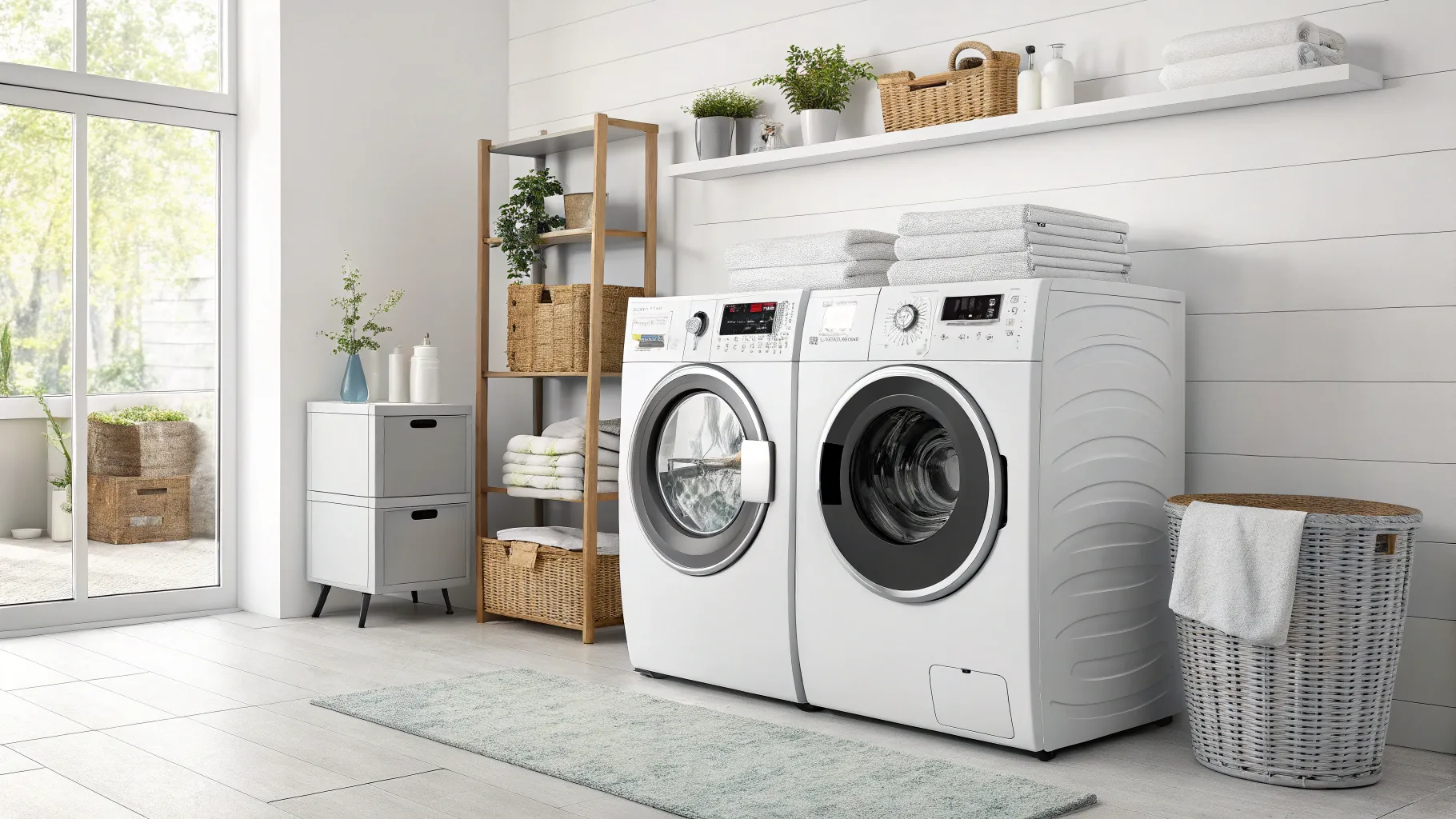
What is the Difference Between a Washing Machine and a Washer Dryer Combo?
At its core, the main difference between a washing machine and a washer dryer combo lies in their functionality. A washing machine, as the name suggests, is designed solely for washing clothes. In contrast, a washer dryer combo offers the capability to both wash and dry your laundry in one compact unit.
With traditional washing machines, you typically need a separate dryer, which can take up more space and potentially increase your energy and water bills. For many homeowners, especially those in apartments or smaller homes, a washer dryer combo provides a significant advantage, consolidating two machines into one.
How Does a Washer Dryer Combo Work?
A washer dryer combo operates by washing clothes in the same drum that is used for drying. After the wash cycle is completed, the machine initiates the drying process by utilizing either a ventless or a vented drying method.
- Vented Drying: This method expels hot air through a vent, similar to a traditional dryer.
- Ventless Drying: Here, the machine uses condensation to remove moisture, making it suitable for areas without external venting options.
This dual capability means you can set your laundry and leave it unattended without needing to switch your clothes from the washer to the dryer manually.
Advantages and Disadvantages of a Washer Dryer Combo
Now that we understand the basic functionalities, let’s delve into the pros and cons of a washer dryer combo to help you weigh your options more effectively:
Advantages:
- Space-Saving: Ideal for small living spaces where installing separate machines isn't feasible.
- Convenience: With a washer dryer combo, you can wash and dry in one go, which saves time.
- Cost-Effective: Reduces the need to buy two separate appliances.
- Less Setup Complexity: Easier installation compared to setting up two separate machines.
Disadvantages:
- Longer Drying Times: Typically, washer dryer combos take longer to dry clothes compared to separate dryers.
- Lesser Capacity: They often have smaller wash and dry capacity than standalone units, which may not be sufficient for larger households.
- Efficiency: Many users find that washer dryer combos are not as efficient as having a high-quality dryer, especially in terms of energy consumption.
It's important to consider these factors carefully, especially if you have a larger family or frequently wash bulky items.
Is a Washer Dryer Combo as Efficient as a Separate Dryer?
This is a common question, and the short answer is no; a washer dryer combo isn't generally as efficient as having a separate dryer. While the technology has improved significantly, washer dryer combos still tend to use more energy for drying than a conventional dryer, primarily because they require longer drying cycles.
Statistics from recent consumer reports show that while a standard dryer uses about 3.3 kilowatt-hours per load, a washer dryer combo can use upwards of 4.5 kilowatt-hours. This increase in energy usage can lead to higher utility bills over time, particularly in homes with substantial laundry demands.
Lifespan of a Washing Machine Versus a Washer Dryer Combo
The lifespan of traditional washing machines and washer dryer combos can differ significantly. Generally, a standard washing machine can last up to 10 to 15 years with proper maintenance, while a washer dryer combo often has a shorter lifespan of around 8 to 12 years.
An important consideration when investing in any appliance is maintenance. Regular cleaning, descaling, and avoiding overloading the machine can extend the life of both wash types. Routine maintenance is particularly crucial for washer dryer combos as they operate in confined spaces, which can sometimes affect their performance.
How to Maintain a Washer Dryer Combo for Longer Durability?
To keep your washer dryer combo operating at its best and extending its longevity, follow these maintenance tips:
- Regular Cleaning: Clean the lint filter after each dryer cycle and occasionally wipe the drum with a damp cloth to prevent buildup.
- Allow Airflow: Keep the area around your washer dryer combo clear so it can ventilate properly, minimizing overheating.
- Use the Right Detergents: Always use HE (high-efficiency) detergents that are compatible with your machine.
- Descale Regularly: Use a descaling solution every six months to prevent limescale buildup, which can hinder performance.
- Check Hoses: Regularly inspect the hoses for any leaks or damage, replacing them as necessary.
While both washing machines and washer dryer combos have their unique benefits, the best choice ultimately depends on your lifestyle, space, and laundry needs. Whether you prioritize energy efficiency, space-saving designs, or simplicity, understanding the nuances of each option allows you to select the appliance that fits seamlessly into your home.
Authored by FreshLifeWire team