5 Key Warning Signs of a Leaky Heart Valve You Must Know
Facts:
- Over 5 million Americans are diagnosed with heart valve disease annually.
- Growing awareness of early symptoms is a key trend for proactive heart health.
Recognizing the Subtle Alarms: The Primary Warning Signs of a Leaky Heart Valve
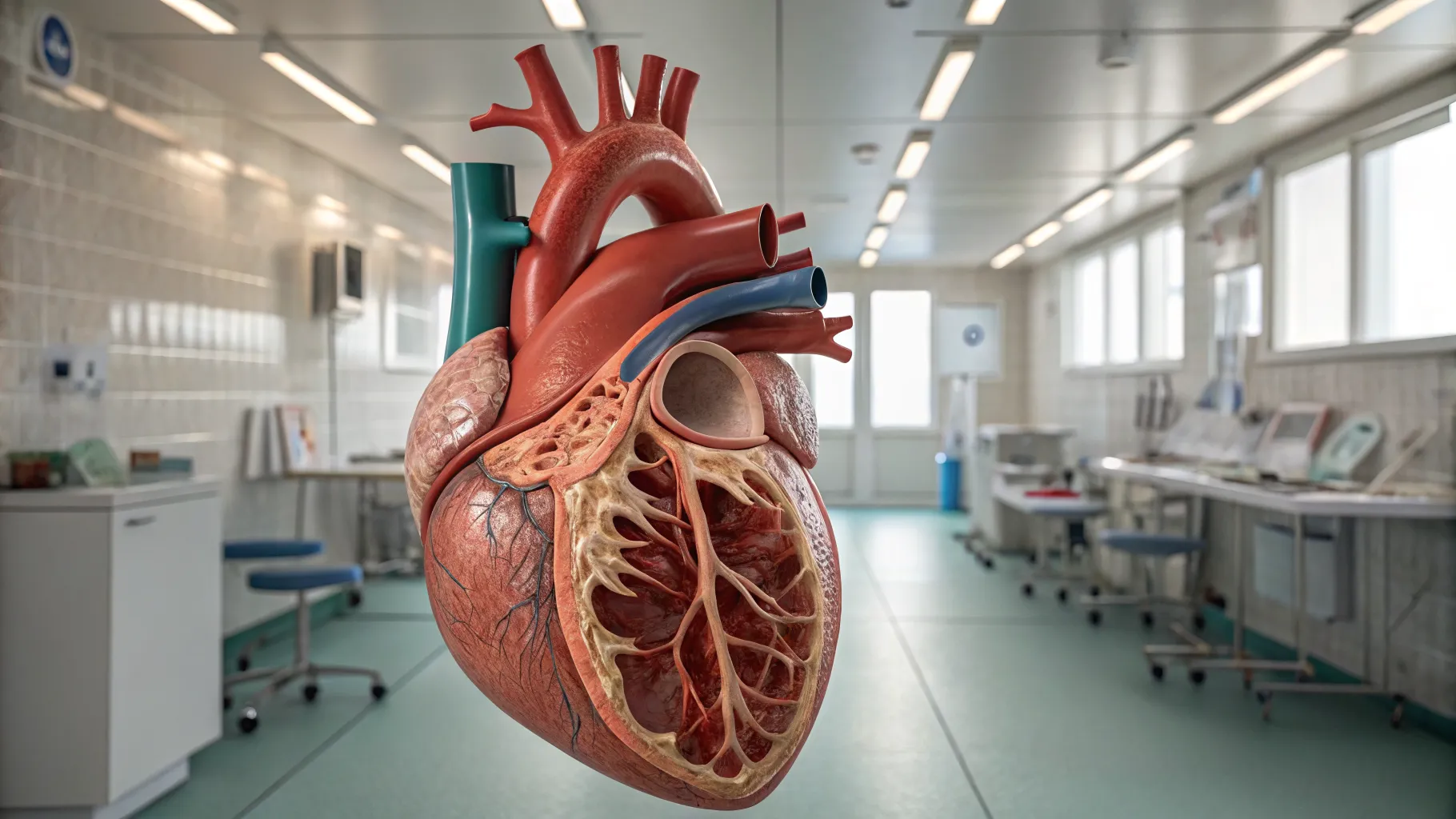
A leaky heart valve, medically known as valvular regurgitation, occurs when one of your heart's valves doesn't close properly, allowing blood to leak backward. This condition can strain your heart over time and lead to serious complications if left untreated. Recognizing the leaky heart valve symptoms early is crucial for effective management and treatment. Many people dismiss the initial indicators as simple signs of aging, but understanding the specific early signs heart valve problems can be a life-saving first step. These signals are your body's way of alerting you that your heart is working harder than it should to pump blood efficiently.
Unpacking the Most Common Heart Valve Leakage Symptoms
When a heart valve leaks, the heart has to pump harder to circulate the same amount of blood, leading to a cascade of symptoms. These warning signs of leaky heart valve can range from mild to severe and often develop gradually. It's essential to pay close attention to what your body is telling you, as these symptoms are direct indicators of underlying cardiac stress.
1. Shortness of Breath (Dyspnea)
One of the most prevalent heart valve regurgitation signs is shortness of breath. You might notice it during physical activity, when you're lying flat in bed, or even when you're at rest. This happens because the backward flow of blood can cause fluid to build up in the lungs, a condition known as pulmonary congestion. This makes it difficult for your lungs to exchange oxygen effectively, leaving you feeling winded from simple tasks like climbing stairs or carrying groceries.
2. Persistent Fatigue and Weakness
Feeling unusually tired or weak, even after a full night's rest, is a significant symptom. Because the heart is working inefficiently, less oxygen-rich blood is delivered to your body's muscles and tissues. This lack of oxygen can lead to chronic fatigue that isn't relieved by rest. This is one of the most frequently reported heart valve leakage symptoms that can severely impact your quality of life.
3. Swelling in the Ankles, Feet, or Abdomen (Edema)
When the heart's pumping action is compromised, it can affect your body's ability to manage fluids. This can cause fluid to accumulate in your extremities, most commonly the ankles and feet. In more advanced cases of warning signs valve disease, you might also notice swelling in your abdomen. This edema occurs because the inefficient blood flow increases pressure in the veins, forcing fluid out into the surrounding tissues.
4. Heart Palpitations or Irregular Heartbeat
The sensation of a rapid, fluttering, or pounding heartbeat is a common complaint. These palpitations, or arrhythmias, can occur as the heart chambers stretch and enlarge to cope with the extra blood volume from the leak. This structural change can disrupt the heart's normal electrical pathways, leading to an irregular rhythm. While unsettling, it is a key sign that your heart is under strain.
5. Dizziness, Lightheadedness, or Fainting
A leaky valve can reduce the overall amount of blood being pumped out to the rest of your body, including your brain. This reduction in forward blood flow can cause you to feel dizzy, lightheaded, or, in severe cases, even faint (syncope). These symptoms often occur upon standing up quickly or during exertion and are critical warning signs of leaky heart valve that should never be ignored.
Distinguishing Early Signs Heart Valve Problems from Normal Aging
It's easy to attribute fatigue or shortness of breath to getting older, but these are often the most critical early signs heart valve problems. Unlike typical age-related tiredness, fatigue from a leaky valve is often profound and persistent. Similarly, while it's normal to get winded during strenuous exercise, becoming breathless from walking up a single flight of stairs is a red flag. Paying attention to the context and severity of these leaky heart valve symptoms is key. If new limitations appear in your daily activities, it's a sign that something more than just aging could be at play.
Actionable Steps If You Suspect Valve Disease
If you recognize any of these symptoms, it's vital to take proactive steps. Early diagnosis and management can prevent the condition from progressing and causing irreversible damage to your heart. Here’s what you should do.
- Schedule a Doctor's Visit: The first and most important step is to consult your primary care physician or a cardiologist. Describe your symptoms in detail, including when they started and what makes them worse. A doctor can listen to your heart for a murmur, a common sign of a leaky valve.
- Undergo Diagnostic Testing: An echocardiogram is the primary tool used to diagnose leaky heart valves. This non-invasive ultrasound test allows your doctor to see your heart's chambers and valves in action, confirming the presence and severity of any regurgitation.
- Keep a Symptom Journal: Track your heart valve leakage symptoms. Note their frequency, duration, and any triggers. This information can be incredibly valuable for your doctor in assessing the progression of the condition and tailoring your treatment plan.
- Adopt a Heart-Healthy Lifestyle: While lifestyle changes can't fix the valve, they can help manage symptoms and reduce strain on your heart. This includes a low-sodium diet to reduce fluid retention, regular low-impact exercise as approved by your doctor, and quitting smoking.
Frequently Asked Questions
What are the most overlooked warning signs valve disease?
Some of the most overlooked warning signs valve disease include a persistent, dry cough, especially when lying down, and needing to prop yourself up with multiple pillows to sleep comfortably. These are often signs of fluid buildup in the lungs (pulmonary edema) related to heart valve dysfunction but are frequently mistaken for respiratory issues.
Can a leaky heart valve heal on its own?
No, a leaky heart valve is a structural problem that cannot heal on its own. While mild cases may not require immediate intervention, they need to be monitored by a cardiologist. Treatment, ranging from medication to manage symptoms to valve repair or replacement surgery, is often necessary to prevent the condition from worsening.
How are leaky heart valve symptoms different from a heart attack?
The leaky heart valve symptoms typically develop gradually over months or years and include progressive fatigue, shortness of breath with activity, and swelling. A heart attack, on the other hand, is an acute event with sudden, severe symptoms like crushing chest pain, pain radiating to the arm or jaw, and intense shortness of breath that appear abruptly.
References
- American Heart Association guidelines on valvular heart disease.
- Clinical studies on the progression and symptoms of mitral regurgitation.
- National Heart, Lung, and Blood Institute patient information on heart valve diseases.
- European Society of Cardiology review of valvular regurgitation signs.
Authored by FreshLifeWire team