Walking Aids for Seniors A Guide to Mobility Support
Supporting Mobility A Guide to Walking Aids for Seniors
As we age, maintaining mobility becomes essential for independence and quality of life. For many seniors, walking aids play a vital role in enhancing mobility support. Walking aids for seniors come in various forms including canes, walkers, and rollators, and can significantly improve balance, stability, and overall safety during ambulation. This article explores the different types of walking aids for elderly individuals, their features, benefits, and how they can unleash a greater sense of freedom.
Understanding Walking Aids for Seniors
Walking aids for seniors encompass various devices designed to provide mobility support, helping to overcome challenges presented by age-related issues such as decreased strength, poor balance, or chronic pain. Each type of walking aid serves different needs and preferences, ensuring that every senior finds the right fit for their lifestyle.
1. Canes for the Elderly
Canes are often the first choice for many older adults. They are lightweight, portable, and can be easily stored. A cane can help improve balance and reduce the risk of falls. Here's a look at the different types of canes available:
- Single-point canes: These are the most common type and come with a single tip, providing basic support.
- Quad canes: Featuring four points of contact with the ground, these offer greater stability for those who need extra support while walking.
- Adjustable canes: These canes are height-adjustable, allowing seniors to customize the cane to their preferred height for optimal comfort.
Statistics indicate that canes can reduce the risk of falls by up to 50%. Many seniors report feeling more secure with a cane, encouraging them to engage in daily activities without fear.
2. Walkers and Rollators
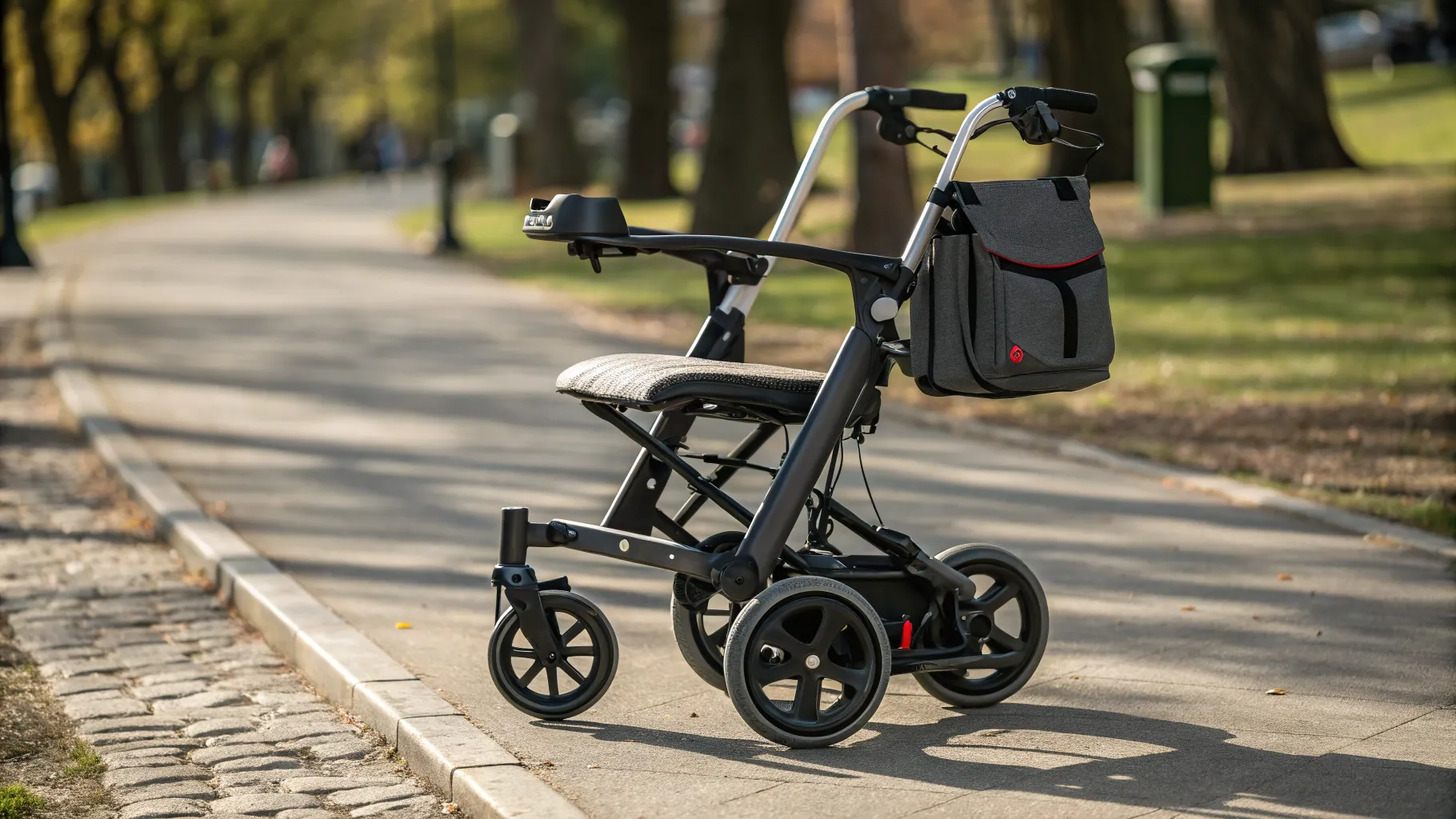
Walkers and rollators are excellent walking aids that provide even greater stability than traditional canes. Walkers are sturdy frames, while rollators have wheels and often come equipped with seats. Here are their features and benefits:
- Walkers: They require lifting to move forward, which may help seniors focus on their balance as they walk. Many walkers also have padded grips to ensure comfort.
- Rollators: These devices are favored for their ease of use. Seniors can glide along smoothly and take a break when needed thanks to the built-in seat.
The demand for walkers and rollators has surged in 2025. Many health professionals now recommend them for individuals recovering from surgery or those with chronic conditions. A recent survey found that 60% of seniors reported increased confidence in mobility after using a rollator.
3. Improving Balance with Walking Aids
One of the primary benefits of walking aids is the improvement in balance. As seniors age, their center of gravity shifts, and vestibular function may diminish, leading to increased fall risk. Using a walking aid helps maintain proper posture while walking, reducing the chances of trips and slips.
Physical therapy programs that incorporate walking aids have shown promising results. Seniors participating in these programs reported a decrease in fall incidents and expressed increased confidence in moving around their homes and communities.
4. The Price of Mobility Support
Understanding the cost associated with mobility support is crucial for seniors and their families. The price of walking aids for seniors can vary widely based on the type, features, and brand. Generally, a simple cane can range from $20 to $50, while walkers can cost between $50 and $150. Rollators, equipped with additional features, can range from $100 to $300 or more.
It’s important to note that many health insurance plans or Medicare may partially cover the cost of these mobility devices, depending on medical necessity. Seniors are encouraged to check with their providers to understand their options and any potential financial assistance available.
5. Choosing the Right Walking Aid
Selecting the appropriate walking aid is a critical step in ensuring safety and comfort. Here are some factors to consider:
- Assess your needs: Consider your mobility level, balance, and any pain you might experience when standing or walking to help determine if a cane, walker, or rollator is best.
- Consult with a healthcare professional: A doctor or physical therapist can provide guidance tailored to your specific health situation.
- Try before you buy: Many medical supply stores or pharmacies will allow you to test different walking aids to find the right fit.
The right support can have a profound impact on mobility, making it easier for seniors to maintain independence.
6. Real-World Examples of Mobility Improvement
Countless stories come from seniors who have benefitted from walking aids. For instance, Mary, a 78-year-old who experienced a hip replacement, began using a walker for recovery. Within weeks, she regained her confidence, allowing her to accompany her grandchildren outside again. Similarly, Bob, 82, switched from a cane to a four-wheeled rollator after frequent falls, and he reports walking three times a week with more confidence than ever.
Walking aids are transformative tools that allow seniors to continue engaging with their world safely and confidently. With the proper choice of walking aids, seniors can experience notable improvements in their daily lives, fully embracing independence and mobility.
Authored by FreshLifeWire team