Walkers and Rollators: Choosing the Right Mobility Aid
Understanding the Two Main Categories of Walking Aids
Mobility aids, such as walkers and rollators, enhance balance, reduce the risk of falls, and improve the independence of older adults. While both serve to assist walking, they differ significantly in their design and functionality.
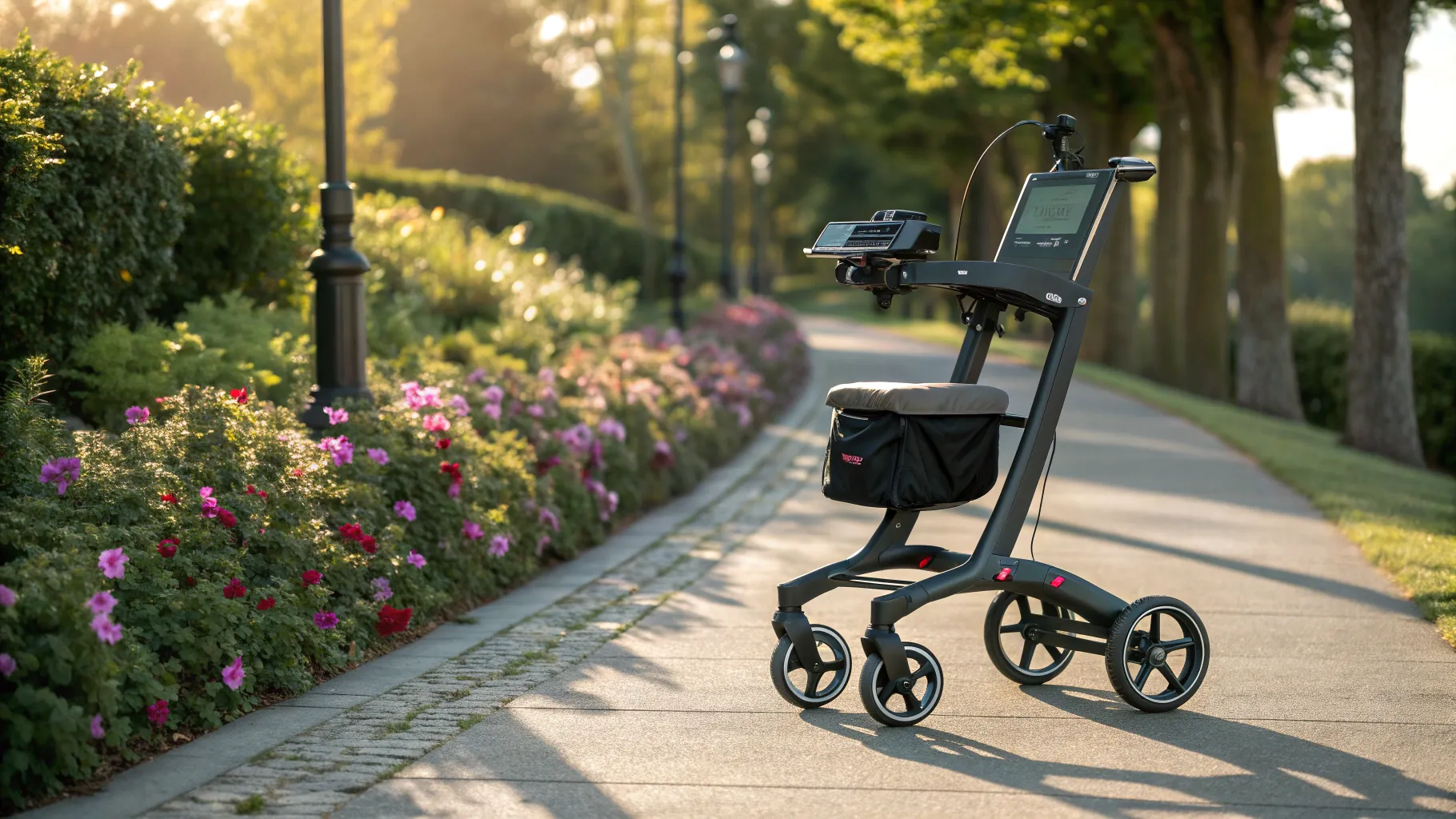
1. Walkers (No Wheels or Two Wheels)
Walkers require the user to lift the frame or push it forward during movement. They offer the highest level of stability but necessitate more upper body strength and coordination.
- Standard Walker (No Wheels): Offers **maximum stability** because all four legs remain firmly on the ground when bearing weight. Users must lift and set the walker down with each step. **Best for:** Individuals with significant balance issues, those recovering from acute injury, or those requiring full weight bearing assistance.
- Two-Wheeled Walker: Features wheels on the two front legs and non-skid rubber tips on the back legs. This allows the user to push the walker forward without lifting it, requiring less energy than a standard walker. The rubber tips provide braking resistance. **Best for:** Individuals who need stability but possess enough coordination to safely control the wheeled movement.
2. Rollators (Three or Four Wheels)
Rollators are defined by having three or four wheels and usually include hand brakes and a built-in seat. They prioritize continuous, faster movement over maximum stability.
- Three-Wheeled Rollator: Lighter and more maneuverable than four-wheeled versions, making them excellent for navigating tight corners and indoor spaces. However, their **stability is lower** due to the triangular base. **Best for:** Active individuals who need moderate support but prioritize agility and speed.
- Four-Wheeled Rollator: Provides better stability than the three-wheeled model, often featuring a wider base and a seat for resting. They are heavier and less compact but are ideal for longer walks and outdoor use. They rely on hand brakes for stopping. **Best for:** Users needing good stability and the ability to rest frequently during walks.
Key Features and Considerations for Selection
Choosing the appropriate device depends heavily on the user's specific medical condition, environment, and physical capabilities.
Braking Systems
This is crucial for safety, especially with rollators:
- Loop Brakes: Standard on most rollators. Squeezing the loops slows or stops the device. Pushing the loops down engages the **parking brake** (lock mode) for sitting.
- Pressure Brakes (Walkers): These brakes engage when the user applies weight to the back legs (common on two-wheeled models).
Seating and Storage
- Seat: A padded seat is standard on most rollators, essential for users with limited endurance who need frequent breaks.
- Storage: Rollators often include a basket or pouch beneath the seat for personal items, increasing independence for shopping or errands.
Adjustability and Fit
Proper fit is non-negotiable for safety. The handgrips should align with the user’s wrist crease when their arms are hanging straight down. This ensures the elbows are slightly bent (around 15 degrees) when gripping the aid, providing proper leverage and minimizing shoulder strain.
Conclusion: Prioritizing Safety Over Speed
While rollators offer convenience and speed, walkers provide superior balance and stability. A physical therapist should always be consulted to recommend the type of mobility aid that best matches the individual's strength, balance, and the environment in which the aid will be used, ensuring maximum safety and long-term utility.
Authored by FreshLifeWire team