Top Vitamins for Arthritis Joint Pain: Your Ultimate Guide to Natural Relief
Facts:
- Certain vitamins can significantly reduce arthritis inflammation.
- A growing trend is personalized supplement stacks for joint health.
Unlocking Joint Comfort: How Key Vitamins Combat Arthritis Pain
Living with arthritis often means a daily battle with discomfort and stiffness, significantly impacting quality of life. Many are now turning towards targeted nutritional strategies, specifically focusing on the best vitamins for arthritis joint pain. Understanding how these essential nutrients work can be the first step towards managing symptoms more effectively. This guide explores the most effective supplements for arthritis joint pain, providing a clear path to potentially reducing inflammation and improving mobility.
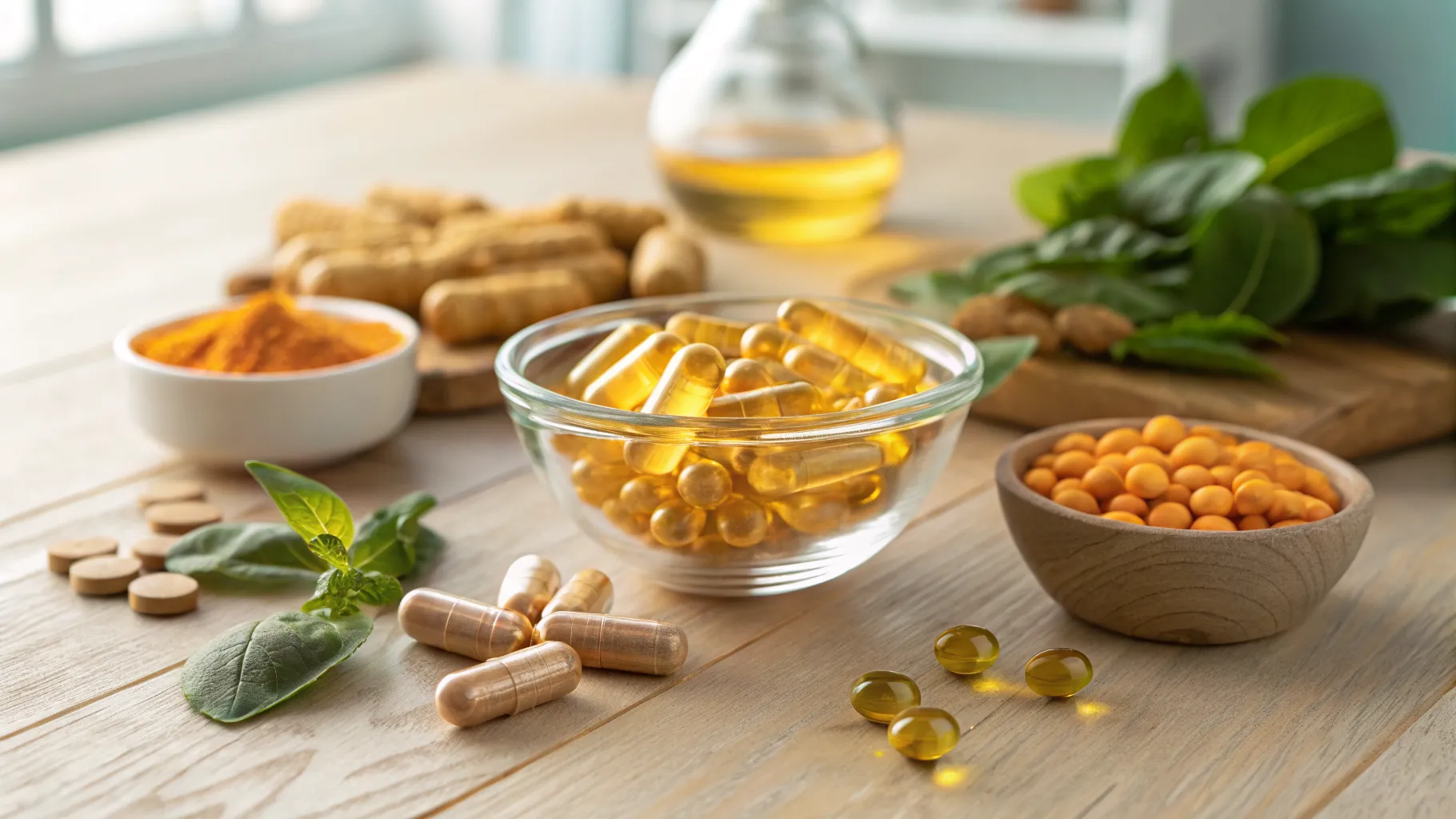
The Science-Backed Vitamins for Knee Pain and More
When searching for relief, it's crucial to focus on nutrients with scientific backing. Different vitamins and minerals play unique roles in joint health, from building cartilage to fighting inflammation. Understanding these roles is key when deciding what vitamins are good for arthritis and joint pain. Below, we explore the most researched and effective options available.
Vitamin D: The Sunshine Vitamin for Bone Health
Vitamin D is essential for calcium absorption, making it a cornerstone of bone health. For individuals with arthritis, strong bones are vital to support ailing joints. Research has also linked Vitamin D deficiency to an increased risk and severity of rheumatoid arthritis. Its role in modulating the immune system may help reduce the autoimmune response that attacks the joints. Ensuring adequate levels, through sunlight exposure or supplementation, is a critical step in managing joint health, particularly for those with vitamins for arthritis knee pain concerns.
Vitamin C: The Collagen Builder and Antioxidant
As a powerful antioxidant, Vitamin C helps protect the joints from damage caused by free radicals. More importantly, it is a crucial co-factor in the synthesis of collagen, the primary protein in joint cartilage. Without enough Vitamin C, the body cannot effectively repair and maintain cartilage, leading to increased pain and joint degradation. Incorporating Vitamin C is a fundamental strategy when looking for natural vitamins for arthritis.
Omega-3 Fatty Acids: Potent Anti-Inflammatory Agents
Found abundantly in fish oil, Omega-3 fatty acids (specifically EPA and DHA) are renowned for their potent anti-inflammatory properties. They work by blocking inflammatory pathways in the body, which can significantly reduce the pain, swelling, and stiffness associated with various forms of arthritis. For many, high-quality Omega-3s are considered essential supplements for arthritis joint pain, offering a natural way to manage symptoms.
Choosing the Right Supplements for Arthritis Joint Pain
Navigating the supplement aisle can be overwhelming. To get the most benefit, it's important to choose high-quality products and understand how to use them. Not all supplements are created equal, and factors like purity, dosage, and bioavailability can make a significant difference in their effectiveness. Making an informed choice is paramount when investing in your joint health.
- Consult a Healthcare Professional: Before starting any new regimen, discuss the best vitamins for arthritis joint pain with your doctor. They can help you avoid potential drug interactions and recommend dosages appropriate for your specific condition.
- Look for Third-Party Testing: To ensure you are getting what you pay for, choose products that have been independently tested by organizations like NSF International or USP. This verifies the product's purity and potency.
- Consider Bioavailability: Some nutrients are better absorbed in certain forms or when taken with other substances. For example, curcumin (from turmeric) is much more bioavailable when combined with black pepper extract (piperine).
Integrating Natural Vitamins for Arthritis into Your Daily Routine
Successfully managing arthritis involves a holistic approach. While supplements for arthritis joint pain are a powerful tool, their benefits are amplified when combined with a healthy lifestyle. A diet rich in anti-inflammatory foods like fruits, vegetables, and lean proteins provides a strong foundation. Regular, low-impact exercise such as swimming or cycling helps maintain joint flexibility and strengthens supporting muscles. Consistency is the most important factor; taking your chosen vitamins for arthritis knee pain daily as part of a comprehensive wellness plan will yield the best long-term results.
Frequently Asked Questions
What vitamins are good for arthritis and joint pain?
The most beneficial vitamins include Vitamin D for bone health and immune function, Vitamin C for collagen production and antioxidant support, and Vitamin E for its anti-inflammatory properties. Beyond vitamins, Omega-3 fatty acids and curcumin are highly recommended supplements for arthritis joint pain due to their powerful anti-inflammatory effects.
Can natural vitamins for arthritis replace my medication?
No, you should never stop or alter your prescribed medication without consulting your doctor. While many natural vitamins for arthritis can provide significant symptomatic relief and support overall joint health, they are considered a complementary therapy, not a replacement for medical treatment prescribed by a healthcare professional.
How long does it take for vitamins for arthritis joint pain to work?
The time it takes to see benefits can vary significantly between individuals and depending on the supplement. Some people may notice a reduction in pain and stiffness within a few weeks, while for others, it may take two to three months of consistent daily use. Patience and adherence to the recommended dosage are crucial.
References
- Journal of Rheumatology: Studies on Vitamin D and Arthritis Outcomes
- National Center for Complementary and Integrative Health: Omega-3 Fatty Acids
- Arthritis Foundation: Guide to Supplements
- Clinical Trials on Curcumin for Joint Inflammation
Authored by FreshLifeWire team