Vintage Leather Seats Timeless Appeal and Care Tips
What Are Vintage Leather Seats
Vintage leather seats embody a unique blend of craftsmanship, durability, and aesthetic appeal that makes them a favored choice among furniture enthusiasts and collectors alike. Typically sourced from older, high-quality leather furniture pieces, vintage leather seats exude a charm that is hard to replicate with modern materials. Each vintage piece tells a story, often reflecting the era it was made in, while showcasing wear and patinas that add character and depth.
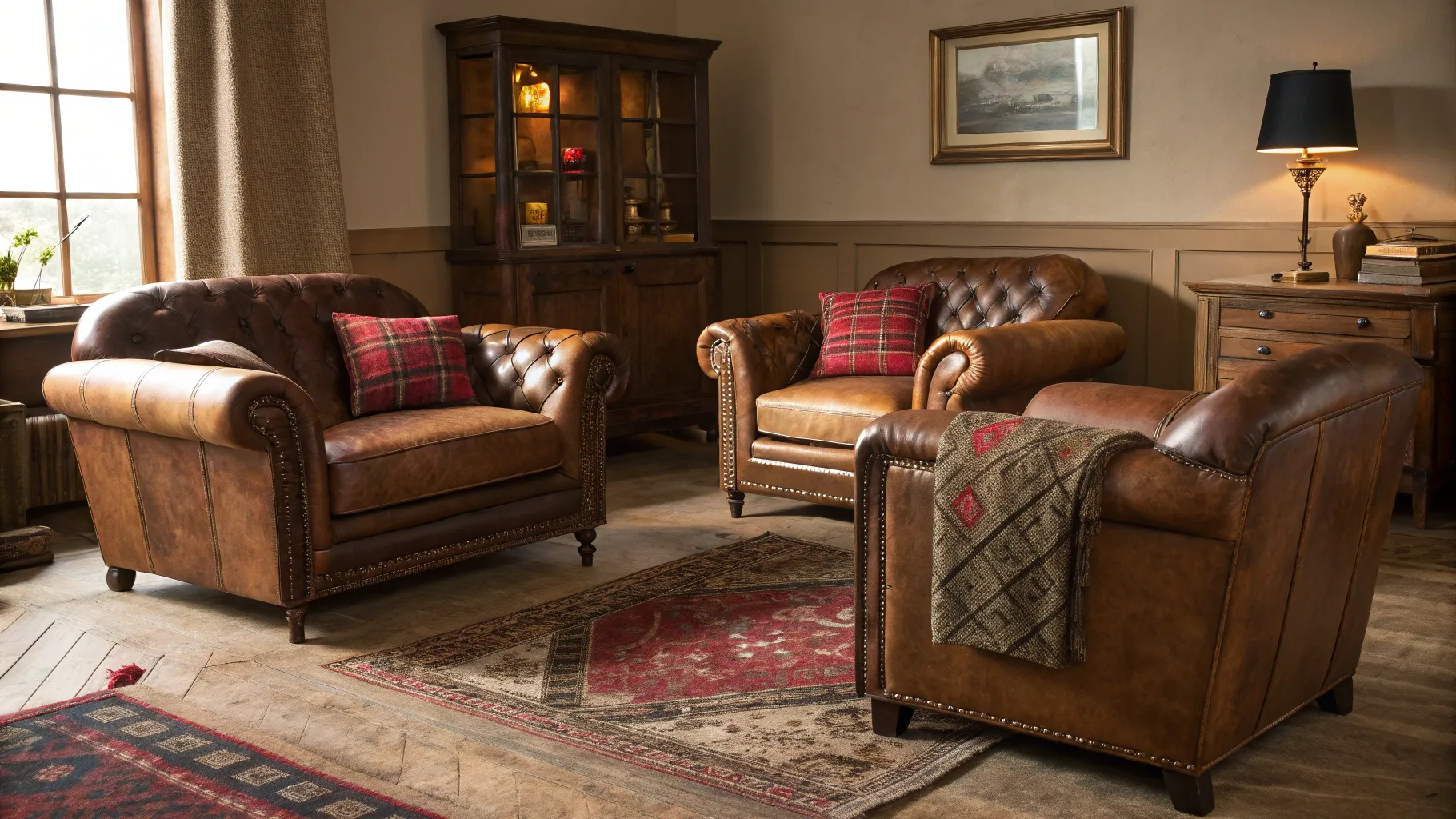
The leather used in vintage seats is generally full-grain, known for its tight fibers and natural markings, which contribute to its overall strength and longevity. Unlike modern manufactured synthetic alternatives, vintage leather provides a tactile quality that invites touch and appreciation.
Why Are Vintage Leather Seats So Popular
The enduring popularity of vintage leather seats can be attributed to several compelling factors:
- Timeless Aesthetic: The look of vintage leather fits seamlessly into both traditional and contemporary design schemes. Its rich colors and textures enhance the visual warmth of any space.
- Durability: Vintage leather seats are often made from thicker hides and exhibit superior longevity compared to modern, mass-produced options. Their ability to age gracefully has led to a resurgence in their appeal.
- Eco-Friendly Choice: Purchasing vintage means doing your part for the environment. By choosing pre-owned furniture, you reduce waste and the demand for new leather production.
- Unique Character: No two vintage leather seats are alike. Each chair or sofa holds unique scars, creases, and marks, adding to its individuality and charm.
Recent surveys indicate that 73% of decor enthusiasts prefer vintage or antique pieces over new items, signaling a growing trend in sustainable living choices. Vintage leather seats often hold sentimental value as well, often being passed down through generations in families.
How to Care for Vintage Leather Seats
Caring for vintage leather seats can ensure their beauty and longevity. Here are some practical tips:
- Regular Cleaning: Dust your seats frequently with a soft, dry cloth to prevent dirt buildup. For deeper cleaning, use a damp cloth and suitable leather cleaner to remove stains and preserve the leather's condition.
- Conditioning: Apply a leather conditioner every six months to keep the leather supple. This helps to prevent cracks and enhances the leather’s natural luster.
- Protection from Sunlight: Sun exposure can lead to fading and drying. Position your vintage leather seats away from direct sunlight, or use window treatments to minimize exposure.
- Avoiding Chemicals: Steer clear of harsh cleaning agents, as they can strip the leather's natural oils and finish. Instead, always choose products specifically made for leather care.
Furthermore, many vintage leather seat owners have reported that investing time in care pays off, with many pieces lasting through decades or even generations with proper maintenance. Real estate and furniture professionals often suggest varying use of vintage leather sets in different environments to extend their lifespan.
Are Vintage Leather Seats Better Than Modern Ones
This question has sparked debates among furniture enthusiasts for years. Although subjective, many argue that vintage leather seats have advantages over their modern counterparts:
- Craftsmanship: Vintage leather seats often exhibit craftsmanship not seen in modern manufacturing, favoring methods requiring more skill and time. This means seams, stitching, and overall construction are often superior.
- Better Leather Quality: Older leather is often sourced from healthier livestock and treated with fewer chemicals. As a result, many vintage pieces are less likely to cause allergies compared to modern alternatives that may utilize synthetic treatments.
- Increased Value: Vintage leather seats tend to appreciate in value, especially those from renowned makers. In some cases, these pieces can become collector's items valued in the thousands.
Conversely, modern seats offer advancements in technology, including better cushioned support and standardized manufacturing practices that ensure widespread availability. However, the overall consensus remains that vintage leather seats provide a unique combination of character and durability that modern seats often lack.
What Makes Vintage Leather Seats Last So Long
The longevity of vintage leather seats can be attributed to several critical factors:
- Material Quality: The full-grain leather used is thicker and more resilient than the top-grain or bonded leather commonly found in modern furniture.
- Construction Techniques: Vintage seats were often crafted using time-honored methods that focused on durability. Techniques such as hand-stitching and robust frame construction ensure that these pieces withstand the test of time.
- Natural Aging: Vintage leather develops a patina through years of use, which not only adds to its aesthetic but also provides a protective layer.
In 2025, vintage leather seats are still revered and sought after, suggesting that as trends move towards the sustainable and individualistic, vintage pieces may very well dominate both aesthetics and functionality in homes and offices alike.
Investing in vintage leather seats not only enhances your space but fosters a history that modern items simply cannot replicate. Their journey through time continues to resonate deeply with those who understand and appreciate the art of furniture.
Authored by FreshLifeWire team