Used Tow Tractors for Sale Inspection and Pricing Guide
Used Tow Tractors for Sale: A Comprehensive Guide for 2025
In today’s fast-paced warehousing, logistics, and manufacturing sectors, having reliable equipment is paramount. Used tow tractors not only streamline internal transportation but also enhance overall operational efficiency. However, when it comes to purchasing a used tow tractor, various factors come into play. From inspections to understanding engine types and load capacities, let’s delve into the essentials of buying the right tow tractor that suits your business needs.
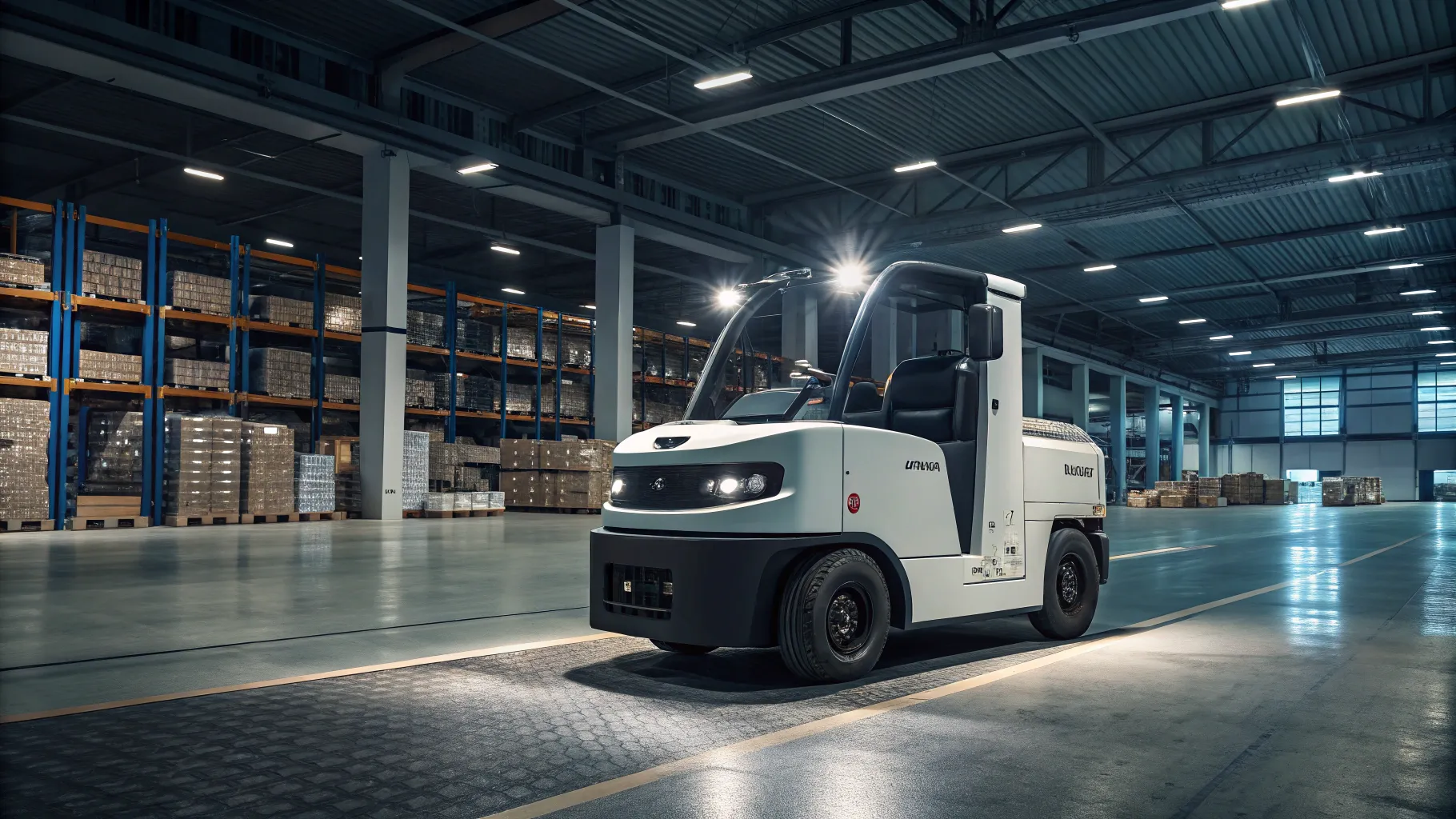
Battery-Powered vs Diesel Tow Tractors: Which is Right for You?
The choice between battery-powered and diesel tow tractors is crucial for any business looking to optimize its internal logistics. Each engine type has distinct advantages and drawbacks, making it essential to weigh your options carefully.
Battery Tow Tractors:
- Environmentally Friendly: Today, businesses are increasingly aware of their environmental impact. Electric tow tractors produce zero emissions, aligning with sustainability goals as industries push for greener practices in 2025.
- Lower Operating Costs: Initially, you may find the prices for electric and diesel tractors comparable, but overall life cycle costs often favor electric options due to significantly reduced fuel and maintenance expenses.
- Quiet Operation: The low noise levels of battery-powered tractors make them an ideal choice for indoor settings, especially in environments like warehouses where noise can disrupt productivity.
- Technological Advancements: Innovation in battery technology has yielded new models with extended operational ranges and improved energy efficiency, making electric tow tractors a competitive choice.
Diesel Tow Tractors:
- Higher Load Capacity: Diesel models typically boast higher load capacities, making them suitable for demanding tasks and transporting heavier machinery or goods.
- Best for Outdoor Operations: If your operations extend outdoors or in rugged environments, diesel tow tractors often provide superior performance on uneven terrain.
- Refueling Convenience: Diesel refueling is generally easier with more widespread availability of refueling stations, especially for businesses near industrial areas.
- Initial Investment: The upfront purchase price for diesel tractors can be higher, but their durability and performance in specific applications may justify the expense.
As you search for used tow tractors for sale, understanding your operational environment will guide you in selecting the most appropriate engine type.
Essential Factors for Tow Tractor Inspections
Purchasing a used tow tractor comes with its fair share of risks, but a thorough inspection can save you from unforeseen issues. Here are key factors to assess:
- Overall Condition: Examine the exterior for signs of wear – look for scratches, dents, and rust. Don’t forget to check the tires; they should be in good shape and properly inflated to ensure safety.
- Mechanical Check: Inspect the engine performance, brake functionality, steering mechanism, and electrical components. For battery-operated models, evaluate the battery life and charging systems carefully.
- Documentation Review: Ask for maintenance records. Consistent service history indicates care and can highlight any prior issues that may persist.
- Testing the Tractor: Whenever possible, take the tractor for a test run. Pay attention to its handling, acceleration, and braking performance—these factors are crucial to operational success.
- Load Capacity Confirmation: Always verify that the tractor’s load capacity aligns with your requirements. A tractor unable to handle specified loads can lead to mechanical failures and increased costs.
In the last six months, the market for used tow tractors has flourished, partly due to ongoing supply chain challenges. Many businesses are now seeking efficient equipment that remains budget-friendly.
Understanding the Pricing Landscape of Used Tow Tractors
The price of used tow tractors varies widely based on several factors, including brand, model, age, and overall condition. Typically, you might find prices ranging from $5,000 to $25,000. However, specialized models can exceed this average. Here are some tips to help you navigate through pricing:
- Brand Strength: Established brands might come at a premium, but their reliability often justifies the higher cost. Investing in trusted brands can translate to better performance and lower maintenance expenses.
- Age and Usage: Generally, newer tractors with lower operating hours will command higher prices. However, they often promise a longer lifespan and better returns on investment.
- Local Market Conditions: Be aware of the local market trends, as different regions may show varying prices driven by economic conditions and demand factors in the logistics sector.
- Negotiation Opportunities: Don’t hesitate to negotiate. Many sellers are open to discussions, particularly when it comes to older models. It’s often possible to secure a better purchase price.
As the demand for efficient and sustainable towing solutions increases, companies are faced with pivotal decisions: to lease or to buy. Ensuring your investment aligns with operational needs will offer longevity and value to your company.
In a world where logistics and warehousing are evolving, the right tools are vital for achieving operational success. Whether you decide on an electric or diesel tow tractor, focusing on meticulous inspections and informed pricing will solidify a smart investment. In this ever-changing landscape, being proactive can position your business favorably as the trends shift towards efficiency and sustainability.
Authored by FreshLifeWire team