Used Forklifts for Sale Buying Guide and Inspection Tips
Used Forklifts for Sale: Your Essential Buying Guide
When you think about leveling up your warehouse operations, the value of used forklifts comes to the forefront. In the present day, businesses are constantly on the lookout for methods to boost efficiency and minimize expenses. Investing in used lift trucks stands out as a strategic way to achieve these objectives without breaking the bank. This forklift buying guide aims to provide you with all the necessary insights to help you make a well-informed decision, ensuring that you acquire the right equipment tailored to your needs at cost-effective prices.
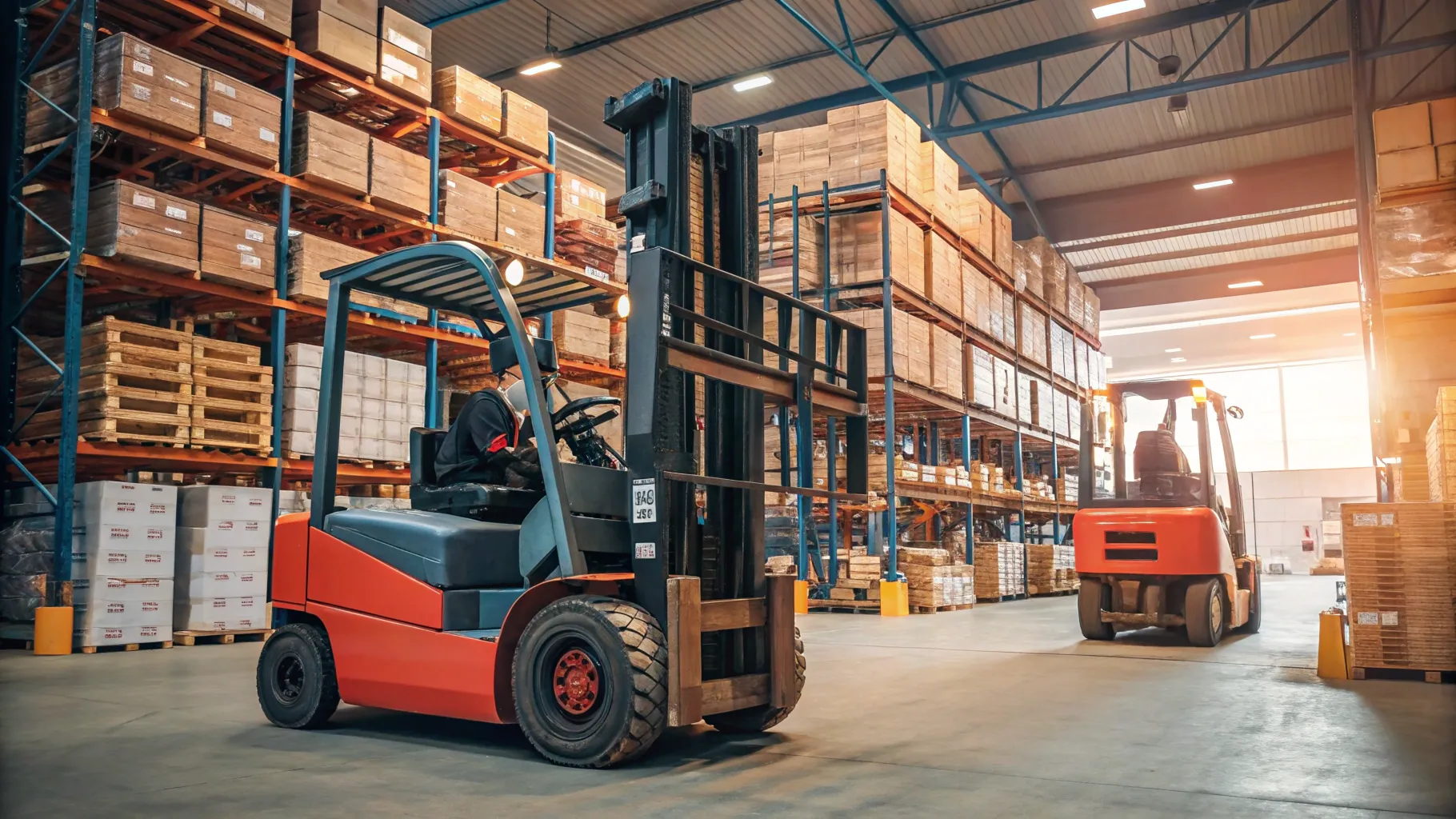
Understanding Forklift Load Capacity
Prior to venturing into the purchase of a used forklift, grasping the concept of forklift load capacity is paramount. Each forklift is built with a specific weight limit it can safely handle, referred to as its load capacity. This figure is typically provided by the manufacturer and varies depending on the category of the forklift, be it electric or internal combustion. This year, it’s crucial to evaluate your inventory, taking into account the maximum weight you might need to lift regularly.
- Pallet Jacks: These typically support loads between 1,500 and 5,500 lbs, making them ideal for lighter applications.
- Electric Forklifts: Ranging from 3,000 to 35,000 lbs, these are perfect for indoor environments.
- Internal Combustion Forklifts: Designed to handle heavier loads, these can lift anything from 5,000 to 50,000 lbs, making them suitable for outdoor use.
It is always wise to include a safety margin in your calculations. This ensures you don’t exceed the load capacity, especially when dealing with large or oddly-shaped items that might not distribute weight evenly across the forks.
Key Forklift Inspection Tips
Purchasing a used forklift can transform your operations positively, but diligence is required during the forklift inspection phase. To make an informed choice, ensure that you examine the following components meticulously:
- Forks: Look for any signs of damage or significant wear, as this can affect your lifting capabilities.
- Tires: Confirm they have sufficient tread and can hold air properly; worn tires can hinder mobility.
- Hydraulics: Assess for leaks and ensure the system operates smoothly to avoid costly failures down the line.
- Controls and Lights: Test to ensure that all components, including lights and control functions, are operational.
If possible, request to operate the forklift during your inspection. This hands-on approach gives you firsthand insight into the machine's performance and comfort.
Forklift Maintenance History
One pivotal aspect to assess when investing in used lift trucks is the forklift maintenance history. A well-maintained forklift can save your business a significant amount of money on repairs later. Always ask the seller for maintenance records that clearly outline:
- Regular service check-ups conducted over the years.
- Major repairs or part replacements that have occurred.
- A list of parts that have been changed throughout the forklift's lifespan.
In addition, consider the age of the forklift. Older models may require more frequent maintenance and be susceptible to breakdowns. Understanding the maintenance history will help you gauge the current condition of the forklift and anticipate any future expenses.
Forklift Safety Checks
Ensuring the safety of your equipment is non-negotiable. When you perform forklift safety checks, pay close attention to the following:
- Seat Belts: Confirm they are functional, as your operators’ safety hinges on this simple piece of equipment.
- Horn and Backup Alarm: Verify both are operational; these are crucial for safety in busy warehouse environments.
- Braking System: Ensure that brakes respond promptly; this is vital to avoid accidents.
- Load Backrest: A critical feature that prevents loads from collapsing back toward operators, enhancing safety.
Protecting your workforce is paramount, and investing time in thorough safety checks will mitigate risks and enhance overall productivity.
Understanding Forklift Pricing
The forklift pricing landscape is continually changing. In 2025, the cost of used forklifts varies widely, influenced by brand, model, condition, and age. Here are a few critical points about pricing:
- A typical price range for used forklifts generally falls between $10,000 and $25,000.
- Reputable brands may attract higher prices due to their established reliability.
- If purchasing outright isn’t feasible, consider rental or leasing options for more flexible financial management.
Making sense of the market calls for a comparison of similar models and prices to secure a deal that aligns with your budget.
Warehouse Equipment Used with Forklifts
As you assess your fork truck requirements, it’s equally important to contemplate the warehouse equipment used alongside forklifts. Various accessories can significantly enhance your workflow and productivity. Some popular integrated options include:
- Pallet Racking: This optimizes vertical storage space, allowing you to make the most of your warehouse layout.
- Loading Docks: Facilitating quick transfers between trucks and your facility helps streamline operations.
- Conveyors: These assist in the smooth movement of goods once they have been lifted, further improving efficiency.
In the dynamic market of 2025, investing in a comprehensive warehouse setup that seamlessly integrates various forms of equipment with forklifts is recommended. This will lead to significant long-term operational improvements.
With the insights provided in this buying guide, you are now equipped to navigate the marketplace for used forklifts. By focusing on crucial inspection criteria, acknowledging load capacities, and enforcing safety measures, you will be prepared to make a sound investment that advances your business forward. Remember, the right equipment is a foundational element of operational success.
Authored by FreshLifeWire team