Upper Eyelid Surgery for Seniors Benefits Recovery Costs
Upper Eyelid Surgery for Seniors A Comprehensive Guide to Blepharoplasty
With each passing year, our faces gradually tell the story of our lives, showing the effects of aging. One of the most noticeable changes occurs around the eyes, where drooping eyelids can emerge as a common concern among seniors. Not only can this issue impact one's appearance by adding years to the facial expression, but it can also pose a challenge to vision. For many in this demographic, upper eyelid surgery, more scientifically referred to as blepharoplasty, offers an effective remedy. Let’s explore the benefits, processes, recovery, and considerations related to blepharoplasty for seniors in detail.
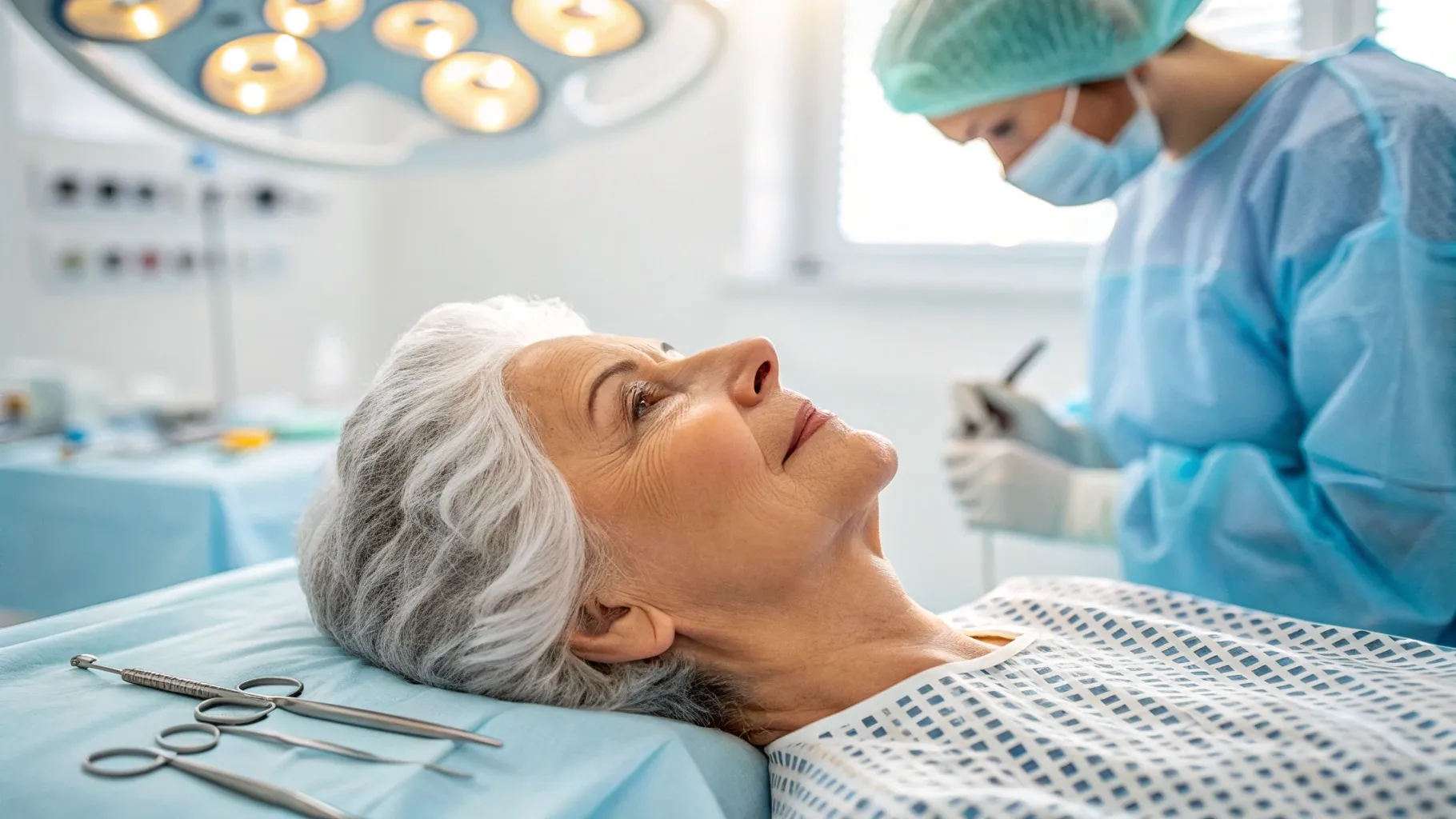
What is Upper Eyelid Surgery?
Blepharoplasty is a surgical procedure designed to reshape the eyelids, primarily by removing excess skin, fat, and muscle from the upper eyelids. The intention is to enhance both the aesthetic and functional aspects of one’s vision. Factors such as age-related skin elasticity loss and genetic predispositions can contribute to sagging eyelids, which often lead to discomfort and a visually aged appearance.
According to data from earlier this year, more than 350,000 eyelid surgeries were performed across the United States, with a considerable number involving patients aged 65 and above. This statistic signifies a growing trend where older adults are taking proactive steps towards enhancing their health and well-being through surgical procedures, ultimately aiming for a more revitalized appearance.
Why Might Seniors Consider Upper Eyelid Surgery?
Seniors may contemplate upper eyelid surgery for a plethora of reasons, including:
- Alleviating Drooping Eyelids: A significant motivation is rectifying the appearance of sagging eyelids, which can create a tired or angry look.
- Restoring Vision: Excess skin on the upper eyelids can obstruct peripheral vision. Addressing this through blepharoplasty can lead to improved visual clarity.
- Enhancing Self-Image: Many seniors pursue this surgery to restore a youthful aspect to their faces, thereby boosting confidence and social engagement.
Droopy Eyelid Correction and Addressing Ptosis
Droopy eyelids, or ptosis, occur due to several factors, including lax skin and weakened muscles as one ages. A remarkable benefit of blepharoplasty is its ability to correct this condition, ensuring that the eyelids appear more alert and open. A recent study published in a renowned ophthalmology journal highlighted that about 72 percent of seniors who opted for eyelid surgery reported noticeable improvements in their peripheral vision after recovery. This demonstrates that blepharoplasty isn't merely about aesthetics; it plays a crucial role in enhancing quality of life and functionality.
Many seniors who undergo this procedure find that they not only appear more youthful but also feel invigorated, as their field of vision expands and the burden of droopy eyelids is lifted. This dual benefit makes blepharoplasty an increasingly attractive option for older adults.
Assessing the Risks Associated with Eyelid Surgery
Despite the advantages of blepharoplasty, it is critical for seniors to be aware of potential risks. While complications are uncommon, understanding them is essential for informed decision-making. Some common risks involved with upper eyelid surgery include:
- Bleeding: Minimal bleeding is expected; however, excessive bleeding can occur in rare cases.
- Infection: Like any surgery, there is a risk of infection that could complicate recovery.
- Visible Scarring: Surgeons strive to place incisions in inconspicuous locations, but some scarring can occur.
- Dry Eyes: Post-surgery, patients may experience dryness or discomfort in their eyes.
- Asymmetrical Results: While the goal is symmetry, results may vary, leading to slight differences between the eyelids.
Before undergoing surgery, seniors should have a detailed discussion with their surgeons about these risks, and they should disclose any medical conditions that may impact the procedure.
Exploring the Financial Aspect of Upper Eyelid Surgery
For many seniors considering blepharoplasty, understanding the financial implications is crucial. In the current landscape of cosmetic surgery, costs for upper eyelid surgery typically range from $3,500 to $7,500. This pricing can fluctuate based on factors such as the surgeon's credentials, the facility, and whether the surgery is performed in an outpatient or inpatient setting. As many insurance plans may cover blepharoplasty if deemed medically necessary to aid vision, it is advisable for patients to consult their healthcare providers and insurance companies for clarification on coverage options.
More importantly, patients must evaluate the long-term benefits versus the costs involved. Many seniors find that the rejuvenation they experience enhances not only their confidence but also their quality of life, making it a worthwhile investment.
Recovery After Upper Eyelid Surgery
Recovery from upper eyelid surgery is generally swift for most individuals. The initial healing phase typically involves adhering to some basic guidelines:
- Rest is Critical: Following surgery, adequate rest is vital. Patients are advised to take it easy and steer clear of strenuous activities for the first week.
- Pain Management: Mild pain may occur, easily managed with prescribed medications from the surgeon.
- Regular Follow-Ups: Essential to monitor the healing process, follow-up visits with the surgeon help ensure everything is progressing as expected.
- Manage Expectations: Bruising and swelling are common and typically resolve within a couple of weeks.
During the recovery process, seniors should refrain from using contact lenses and avoid applying heavy makeup around the eyes to promote healing. When all instructions are followed diligently, patients can anticipate impressive outcomes that significantly enhance their facial appearance and overall perspective on aging.
In summary, upper eyelid surgery serves as a valuable option for seniors who desire to improve their looks and alleviate vision-related issues connected with droopy eyelids. When carefully evaluating the associated risks, recovery processes, and financial considerations, seniors can make well-informed choices regarding blepharoplasty, thereby ensuring a refreshed and vibrant expression as they continue to age gracefully.
Authored by FreshLifeWire team