Understanding Tonsil Stones Causes Symptoms and Treatments
Tonsil Stones Causes and Symptoms
Tonsil stones, medically known as tonsilloliths, are small, hard deposits that can form in the crevices of your tonsils. Although they are often harmless, they can lead to discomfort, irritation, and even embarrassment for those affected. As awareness of this condition has grown, recent statistics from early 2025 indicate that tonsil stones are increasingly common among adults, with a significant prevalence noted among individuals suffering from chronic health problems such as recurring tonsillitis.
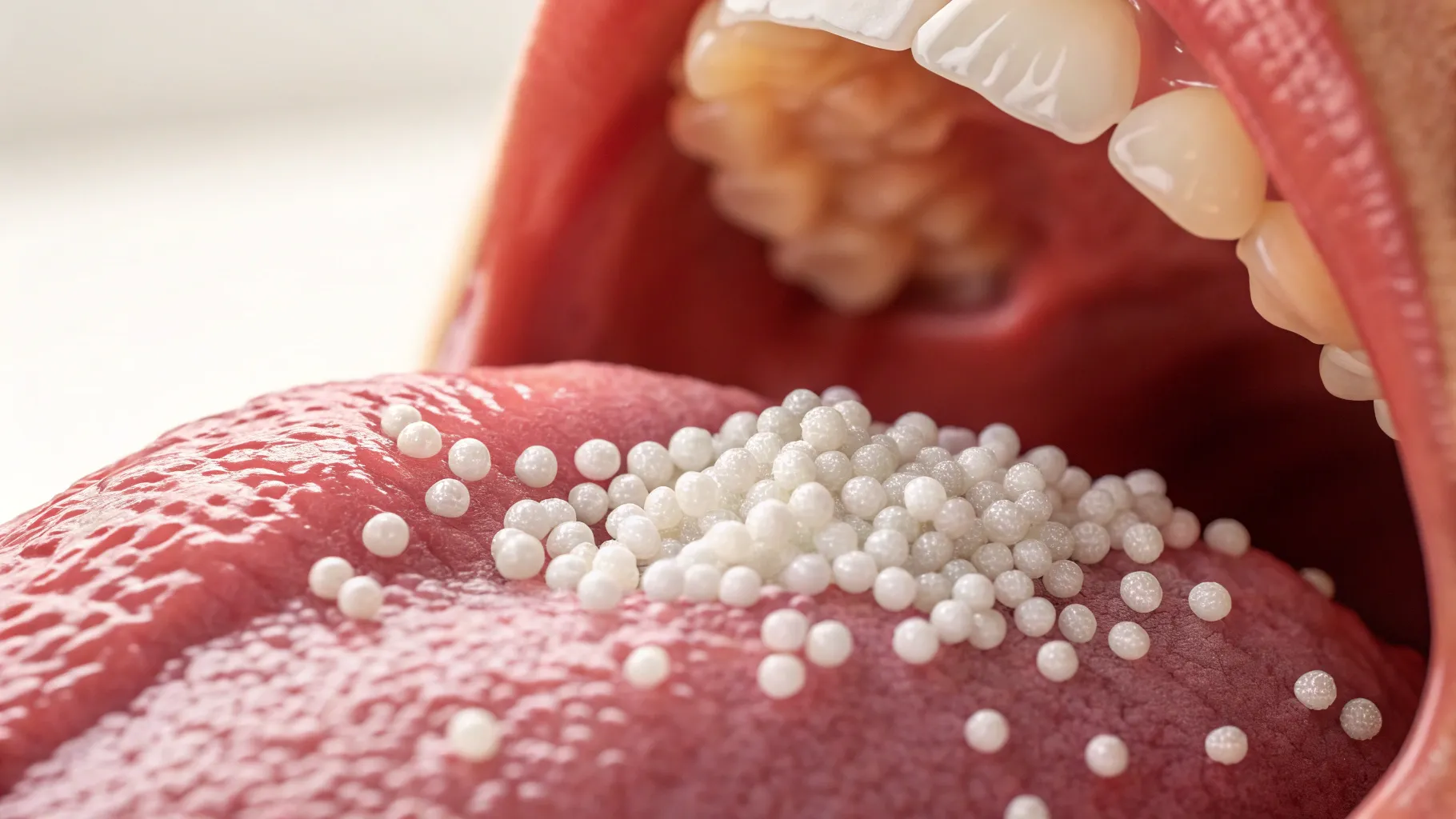
But what causes these little stones to develop in the first place? The primary factor behind the formation of tonsil stones is the buildup of debris that accumulates in the folds of the tonsils. This debris can include food particles, dead cells, and various types of bacteria. Over time, when these materials become trapped, they can calcify and harden into noticeable stones. A recent study published in March 2025 highlighted that about 30% of individuals experiencing recurrent bouts of tonsillitis also reported having tonsil stones, establishing a clear link between these two conditions.
The symptoms associated with tonsil stones vary from person to person, ranging from minor irritation to more severe discomfort. Interestingly, some people remain completely unaware they have stones since they can be quite small. However, typical symptoms include:
- Bad breath: A frequent complaint among those with tonsil stones is halitosis, which is caused by the sulfur compounds produced by the bacteria in the stones.
- Difficulty swallowing: Larger stones, in particular, can cause pain or a sensation of discomfort while swallowing.
- Sore throat: Some individuals may confuse the soreness from tonsil stones with that of a serious throat infection, as it can feel quite similar.
- Visible lumps: In many cases, white or yellow lumps that form on the tonsils can also be observed.
Recent trends show a rising inclination for tonsil stones among teenagers and young adults, especially those whose diets are laden with sugar and processed foods. Research conducted in early 2025 suggested that these eating habits can increase both the occurrence and severity of tonsil stones, underscoring the importance of healthy dietary choices.
How to Remove Tonsil Stones Safely
For those grappling with tonsil stones, removal can often be straightforward, depending on the size and location of the stones. Before trying to remove them, it is vital to ensure you do it safely. Here are some methods that are often recommended as effective in 2025:
1. Home Removal Techniques
A plethora of individuals prefer to handle tonsil stones without professional help, often employing simple yet effective home remedies:
- Gargling salt water: Warm salt water can be a practical solution, as it can help dislodge smaller stones while also providing relief to inflamed tonsils.
- Coughing: Surprisingly, a strong cough can sometimes produce enough pressure to expel the stones naturally.
- Cotton swabs: Gently using a cotton swab can assist in removing stones. However, it's crucial to be extremely cautious to avoid injuring your throat.
2. Professional Medical Treatments
If home remedies fall short, seeking medical help becomes necessary. In the field of otolaryngology, some innovative techniques have emerged as of 2025:
- Laser tonsil cryptolysis: This advanced method uses lasers to minimize the depth of the tonsil crypts, thus reducing instances of debris accumulation. It's minimally invasive and has shown excellent results in patients.
- Tonsillectomy: For patients suffering from chronic discomfort due to tonsil stones, a tonsillectomy may be the recommended course of action. Recent data from January 2025 shows a notable 15% increase in tonsillectomies performed due to ongoing problems with tonsil stones.
Tonsil Stones Prevention Tips
Preventing the formation of tonsil stones centers around a good oral hygiene routine and making healthy lifestyle choices. Here are some valuable tips to consider:
- Oral hygiene: Keeping your mouth clean is paramount. Regularly brushing your teeth and tongue, along with daily flossing, can significantly help minimize bacteria and debris in your mouth.
- Staying hydrated: Hydration plays a crucial role. Drinking plenty of water can help keep your mouth moist, reducing the chances of food particles accumulating.
- Dietary choices: Limiting your intake of dairy and sugar can be beneficial since recent research correlates high levels of these substances with increased risks of developing tonsil stones.
- Regular gargling: Incorporating mouthwashes or saltwater gargles into your daily routine can help in preventing stone formation.
In recent months, healthcare professionals have intensified awareness campaigns to inform the public about practical preventive measures against tonsil stones. As a result, there has been a minor decline in reported cases, reflecting the positive impact of better oral hygiene practices and dietary adjustments. This trend highlights that proactive management and continuous education are key in the fight against tonsil stones.
While tonsil stones might seem like a trivial issue, they can be indicative of deeper oral health problems. It is essential to monitor any symptoms you experience and to take preventative steps to avoid potential discomfort. If you ever find yourself facing unbearable pain or ongoing difficulty swallowing, do not hesitate to consult a healthcare provider. They can offer specialized guidance tailored to your situation, ensuring you attain the relief you seek.
Authored by FreshLifeWire team