Understanding Subsidised Housing Benefits and Eligibility
What is Subsidised Housing?
Subsidised housing plays a crucial role in the housing market, especially in urban areas where the cost of living continues to rise. Essentially, subsidised housing refers to dwelling units that are made affordable to low- and moderate-income families through financial assistance from federal, state, or local governments. This aid often comes in the form of rental assistance payments or direct subsidies to developers to lower the cost of construction. In 2025, the importance of this type of housing has never been more evident, as many families struggle to secure affordable living conditions amid soaring property prices.
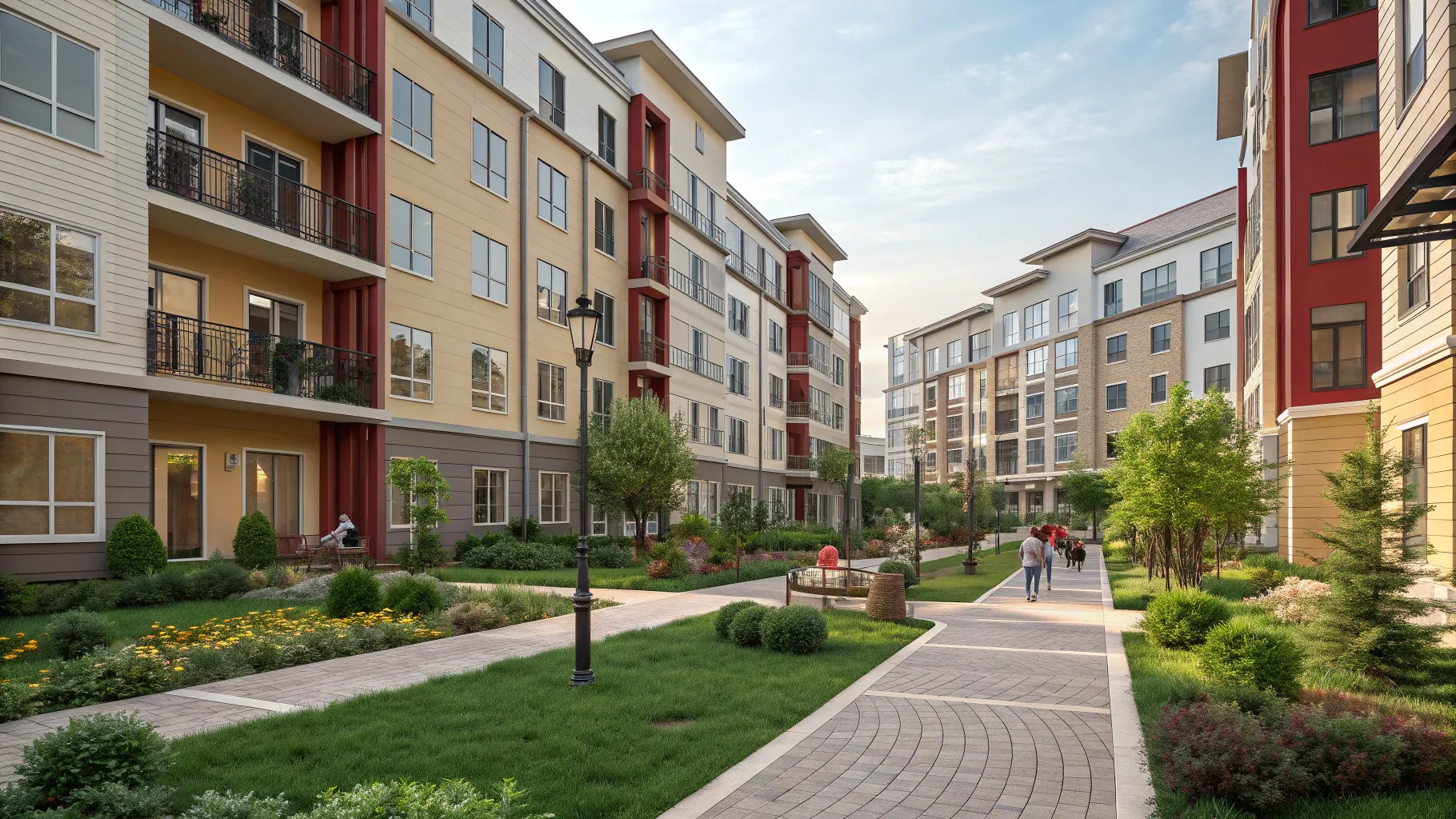
Understanding Eligibility Criteria and Application Process
To qualify for subsidised housing, applicants must meet specific eligibility criteria, which are generally determined by income levels, family size, and citizenship status. The U.S. Department of Housing and Urban Development (HUD) provides a framework for these requirements. Typically, families must have incomes that do not exceed 80% of the area median income (AMI), which is adjusted for the number of people in the household. For instance, in some metropolitan areas, the AMI for a family of four might be around $80,000, meaning families must gross under $64,000 to qualify.
The application process for subsidised housing can vary widely depending on the specific program, but generally involves the following steps:
- Gather Necessary Documents: Applicants must prepare documentation like proof of income, Social Security numbers, and identification for all household members.
- Complete the Application: Filling out the application accurately is crucial. Many local housing authorities have online portals that make this easier.
- Attend an Interview: Some programs require an in-person interview or meeting to discuss the application and any questions regarding the household's situation.
- Wait for Notification: After submitting the application, families may have to wait for a notification regarding their eligibility, which can take weeks to months depending on the demand.
Keeping abreast of deadlines and local opportunities is essential as many subsidised housing programs have limited openings and can close their application windows quickly. In 2025, many applicants have reported longer waiting periods due to increased demand.
Benefits and Limitations of Subsidised Housing
Subsidised housing offers several benefits to qualifying families. The most significant advantage is, of course, affordability; reduced rent payments can free up a decent portion of a family’s budget for savings or other expenses. For instance, a family that would typically pay over $1,500 in rent might secure a subsidised unit for under $1,000, allowing for about $500 more each month to spend on education, healthcare, or emergencies.
Another notable benefit is location. Many subsidised housing developments are strategically placed near public transportation, schools, and employment hubs. This accessibility helps families maintain jobs and ensures children can attend quality schools without long commutes. Moreover, subsidised housing often means a degree of stability in a chaotic housing market. Families can maintain continuity in schools and friendships, which is especially valuable for children.
However, there are limitations to be aware of. For one, there can be stigma surrounding subsidised housing, with misconceptions leading to community discrimination. Additionally, the application process can be lengthy, leading to frustration for families needing immediate assistance. Furthermore, once approved, residents may find that unit availability is limited, forcing them to live in less desirable areas or units.
Difference Between Public and Affordable Housing
Understanding the distinction between public housing and affordable housing is also critical. Public housing refers to rental housing that is owned and operated by government entities, providing subsidised units to residents based on strict income requirements. Essentially, these units are meant for very low-income families and the government oversees their management directly.
On the other hand, affordable housing typically involves privately-owned units that are made available to individuals at lower costs, often due to tax incentives offered to developers. Despite receiving subsidies, these units are not considered public housing and may have different qualification standards, which can vary by location.
In recent months, cities like San Francisco and New York have seen initiatives designed to increase affordable housing projects to bridge the gap between public and affordable housing availability. New policies incentivise developers to create more units, addressing the increasing demand seen across the country.
Tenant Rights and Maintenance Standards
Residents of subsidised housing possess certain rights that are critical to ensure their well-being and proper living conditions. These rights include the right to enjoy the unit without harassment or wrongful eviction, and the right to necessary repairs and maintenance. Landlords, including public housing authorities, are obligated to keep the premises habitable in accordance with local building codes and health regulations.
In an alarming trend, data from the last few months indicate that many subsidised housing tenants have reported ongoing issues with inadequate maintenance. Common complaints include heating failures and plumbing issues that remain unresolved due to insufficient funding or resources.
In response, many advocacy groups have emerged, mostly focusing on ensuring that tenants understand their rights and can advocate for themselves. Programs that educate tenants about their rights have seen significant engagement, fostering a sense of community and empowerment among residents.
As we delve deeper into 2025, the role of subsidised housing in providing essential living standards continues to gain importance. The social landscape is shifting, and with it, so must policy implementations to ensure that affordable living conditions are not just an ideal, but a reality for everyone.
Authored by FreshLifeWire team