Understanding Subsidised Housing Benefits and Applications
Understanding Subsidised Housing in 2025: An Essential Guide
As urban centers across the globe continue to grapple with skyrocketing housing prices, subsidised housing remains a beacon of hope for countless individuals and families seeking stable and affordable living options. But what does subsidised housing truly entail, and how can potential tenants navigate this crucial sector? This article delves into the intricate world of subsidised housing, its eligibility requirements, benefits, and more, helping you make informed decisions in today's complex housing landscape.
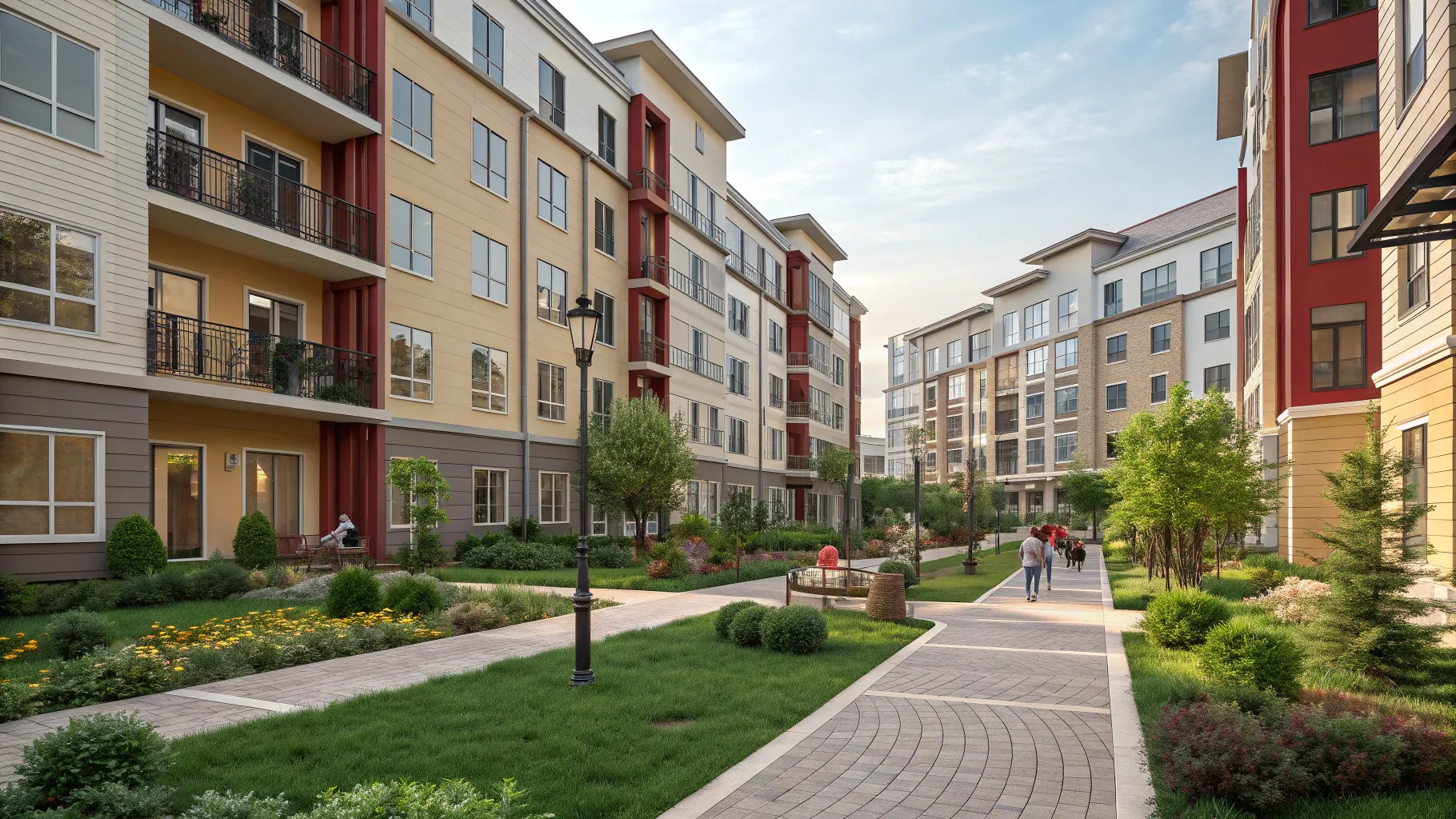
Defining Subsidised Housing
At its core, subsidised housing is a structured attempt by governments to provide affordable accommodations through various financial aids. These aids can take several forms, including rental assistance, direct grants, and even low-interest loans. The primary goal is to alleviate the financial burden faced by low-income individuals and families, helping them secure a roof over their heads without sacrificing fundamental needs.
In 2025, various initiatives across different countries exemplify the evolving landscape of subsidised housing. For example, the United States has seen the expansion of programs like the Housing Choice Voucher Program, where eligible participants can use vouchers to pay rent on privately-owned apartments, thus giving them more choices in their housing options.
Navigating Eligibility and Applications for Subsidised Housing
Understanding how to qualify for subsidised housing is crucial for anyone seeking assistance. Generally, eligibility revolves around specific income thresholds. In many areas, applicants are required to demonstrate that their income does not exceed 50% of the local median, a figure that can fluctuate significantly based on geographic location.
- Income Requirements: Documentation proving one's income is necessary, often including pay stubs or tax returns.
- Family Size: Larger families might receive priority due to an increased need for more substantial living spaces.
- Citizenship Status: Many subsidised housing programs restrict applications to citizens or legal residents only.
The application process typically involves a detailed form accompanied by robust documentation. For many applicants, the path isn't straightforward. Due to the high demand, especially in metropolitan areas, waiting lists are common, sometimes extending for months or even years. For example, in cities like New York and San Francisco, waiting periods can be as long as ten years, underscoring the critical need for ongoing investment in affordable housing solutions.
Exploring Benefits and Limitations of Subsidised Housing
While the advantages of subsidised housing often outweigh the challenges, it's essential to recognize both sides of this model.
- Benefits:
- Affordability: With significantly lower rent prices, people with limited income are more likely to secure housing that fits their budget.
- Stability: Having a stable home enhances one's ability to seek employment, pursue education, and foster community bonds.
- Support Services: Many subsidised units offer additional support services, including job training and childcare resources, facilitating a pathway to improve one’s quality of life.
- Limitations:
- Scarcity: The demand for subsidised housing often exceeds supply, creating long wait times.
- Regulatory Challenges: Many tenants encounter rules that restrict personal modifications to their homes.
- Maintenance Issues: Concerns regarding the upkeep of housing units are prevalent, with some properties suffering from neglect.
This balance can ultimately shape the decision-making process for families considering subsidised options.
Differentiating Public and Affordable Housing
It's essential to distinguish between two key types of subsidised housing: public and affordable housing. Each plays a unique role in addressing housing insecurity.
- Public Housing: Managed by government entities, this type is aimed primarily at very low-income individuals and typically requires adherence to stricter regulations. Funding for public housing primarily comes from public sources, ensuring that the focus remains on serving those with the utmost need.
- Affordable Housing: This broader category includes housing that, while still subsidised, may also be managed by private or nonprofit organizations. Affordable housing can cater to a wider range of income levels, accommodating families earning up to 80% of the median income.
Understanding this distinction allows prospective tenants to target their applications more effectively.
Tenant Rights and Maintenance Standards
Living in subsidised housing comes with specific rights that ensure residents have access to safe and decent living conditions. Here are a few critical rights that tenants can expect:
- Safe Living Environments: Regulations require housing authorities to maintain safety standards, ensuring that all units have functional utilities and meet health codes.
- Non-discrimination Protections: Federal laws safeguard against discrimination based on various factors, including race and disability, ensuring all applicants receive fair treatment.
- Privacy Rights: Tenants have the right to privacy, allowing them to enjoy their homes without unwarranted interruptions from landlords or property managers.
That said, maintenance standards can vary significantly from one housing authority to another. While many set clear guidelines for timely repairs, actual responsiveness can differ. Residents often voice concerns about maintenance delays, which can detract from the overall quality of life.
In the ever-evolving landscape of affordable housing in 2025, understanding the intricacies of subsidised housing—from its eligibility requirements and application processes to the rights of tenants—is essential for success. With the proper knowledge and resources, families can navigate these options, finding their way to stable housing solutions that support their well-being.
Authored by FreshLifeWire team