Understanding Pulmonary Hypertension Symptoms Causes and Tre
Pulmonary Hypertension Early Symptoms and Causes
Pulmonary hypertension (PH) is a serious health condition characterized by increased blood pressure in the pulmonary arteries, restricting blood flow to the lungs. This condition can significantly impact a person’s quality of life and may even lead to severe complications if left untreated. As awareness grows, understanding the early symptoms and causes of pulmonary hypertension is crucial for timely intervention and care.
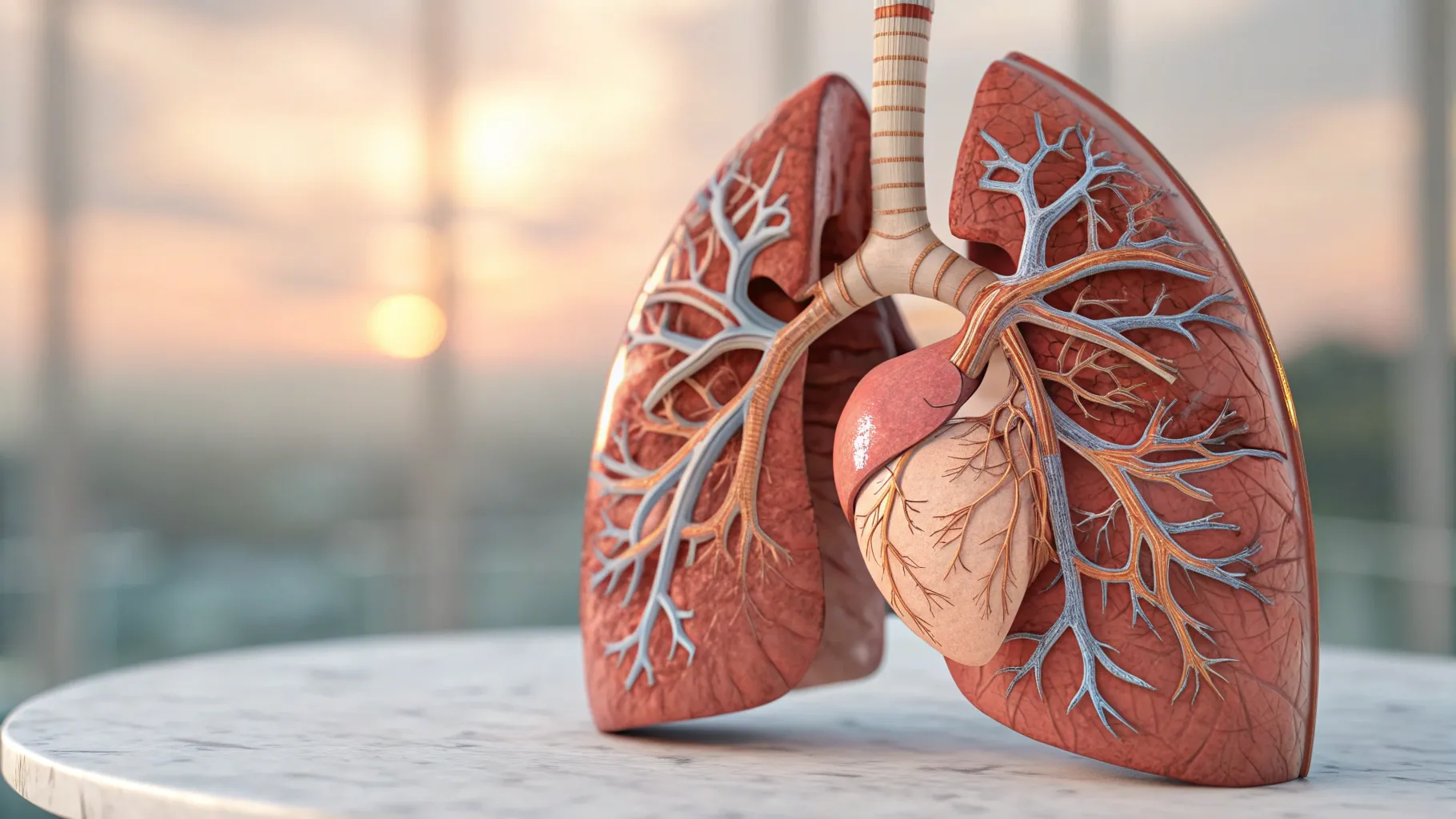
Patients often report unexplained shortness of breath as the hallmark early symptom. For many, this sensation first arises during physical exertion—for instance, climbing a flight of stairs or engaging in light exercise. Over time, however, it can escalate to the point of causing distress even while at rest, making daily tasks increasingly difficult.
Beyond breathlessness, other early symptoms may manifest, which include:
- Fatigue: A profound and persistent tiredness can be among the initial signs, affecting day-to-day activities.
- Dizziness or fainting episodes: As blood flow becomes impeded, dizziness or fainting, particularly during activities, may occur.
- Chest discomfort: A sensation of tightness or pressure in the chest is reported by some individuals.
- Swelling in the extremities: Edema, particularly noticeable in the ankles and legs, often reflects fluid retention due to congested blood flow.
- Heart palpitations: Individuals may experience a racing heart as the heart strains to pump more effectively against increasing arterial pressures.
Identifying the causes of pulmonary hypertension is equally essential, as it is often classified into five distinct groups based on its origins:
- Left heart disease: Conditions such as heart failure can lead to pulmonary hypertension by affecting the heart's ability to pump blood properly.
- Lung diseases: Chronic conditions like emphysema or pulmonary fibrosis can alter the structure of pulmonary arteries.
- Chronic blood clots: Persistent pulmonary embolisms contribute significantly to increased pulmonary artery pressures.
- Genetic predisposition: Some individuals may inherit genes that predispose them to familial pulmonary arterial hypertension.
- Connective tissue disorders: Conditions such as lupus or scleroderma can lead to changes in blood vessels of the lungs.
Diagnosing Pulmonary Hypertension
In the current healthcare landscape of 2025, diagnosing pulmonary hypertension takes a comprehensive approach due to its overlapping symptoms with various other disorders. Recent advancements in diagnostic technology, including imaging techniques, have augmented the tools available for healthcare providers to accurately diagnose PH.
The diagnostic process generally begins with a detailed medical history and physical examination. During this visit, doctors assess for abnormal heart sounds or signs of fluid retention. The following diagnostic tests may be employed as part of the assessment:
- Echocardiogram: An ultrasound test that visualizes heart structure and function, enabling doctors to evaluate the pressures in the pulmonary arteries.
- Right heart catheterization: Considered the gold standard for PH diagnosis, this invasive test provides direct measurements of pulmonary pressure.
- Blood tests: These can identify other potential health issues that might exacerbate pulmonary hypertension.
- Chest X-rays and CT scans: Imaging can reveal underlying lung complications or issues with heart structure, providing crucial information for a thorough evaluation.
The integration of telemedicine has been transformative, allowing patients to access specialist care more readily, which is vital for early intervention and improved outcomes.
Treatment Options for Pulmonary Hypertension
As of 2025, treatment for pulmonary hypertension focuses not only on alleviating symptoms but also on enhancing the patient's overall quality of life and longevity. The approach to treatment varies significantly based on the underlying cause and severity of the condition.
The primary treatment modalities include medications designed to alleviate symptoms and reduce pulmonary artery pressure:
- PDE5 inhibitors: Medications like sildenafil (commonly known for treating erectile dysfunction) help relax the pulmonary blood vessels, improving blood flow.
- Endothelin receptor antagonists: Drugs such as bosentan work by reducing the blood vessels' constriction, helping to regulate blood pressure.
- Prostacyclin analogs: Potent vasodilators, such as treprostinil and iloprost, are employed to enhance blood circulation.
- Oxygen therapy: Providing patients with supplemental oxygen can optimize blood oxygen levels, improving overall energy and wellbeing.
- Diuretics: These help manage fluid retention, easing the burden on the heart and reducing swelling.
For patients who may not respond adequately to medication, more intrusive procedures might be considered, including:
- Pulmonary artery balloon dilation: This method aims to open blocked arteries and improve blood flow.
- Lung transplantation: In advanced cases where medications fail, a lung transplant may represent the last comprehensive solution to restore respiratory function.
Moreover, lifestyle modifications significantly contribute to managing pulmonary hypertension effectively. Individuals are encouraged to maintain a healthy weight, engage in gentle, regular exercise, adopt a nutritious diet, and steer clear from high-altitude environments. Such changes not only enhance the management of pulmonary hypertension but can also lead to an overall improvement in health outcomes.
Therefore, raising awareness and promoting better understanding of pulmonary hypertension's symptoms and underlying causes will empower patients to seek early medical advice. With effective diagnostic procedures and varied treatment options available today, the prospect for those diagnosed with this condition is far more hopeful than in previous years. Awareness initiatives continue to grow, offering new avenues of support for those living with pulmonary hypertension in our current world.
Authored by FreshLifeWire team