Understanding the Psychology Behind Messy Rooms and Clutter
The Psychology Behind Messy Rooms
Have you ever stepped into a room filled with clutter and instantly felt a sense of unease? Or perhaps you find comfort in the organized chaos that is your own messy space? The psychology behind messy rooms is a fascinating topic, delving into the intricacies of organization psychology, mental clutter, and even our emotional attachments to objects. In 2025, understanding these aspects is critical as the world continues to grapple with increased stress and the quest for order in our lives.
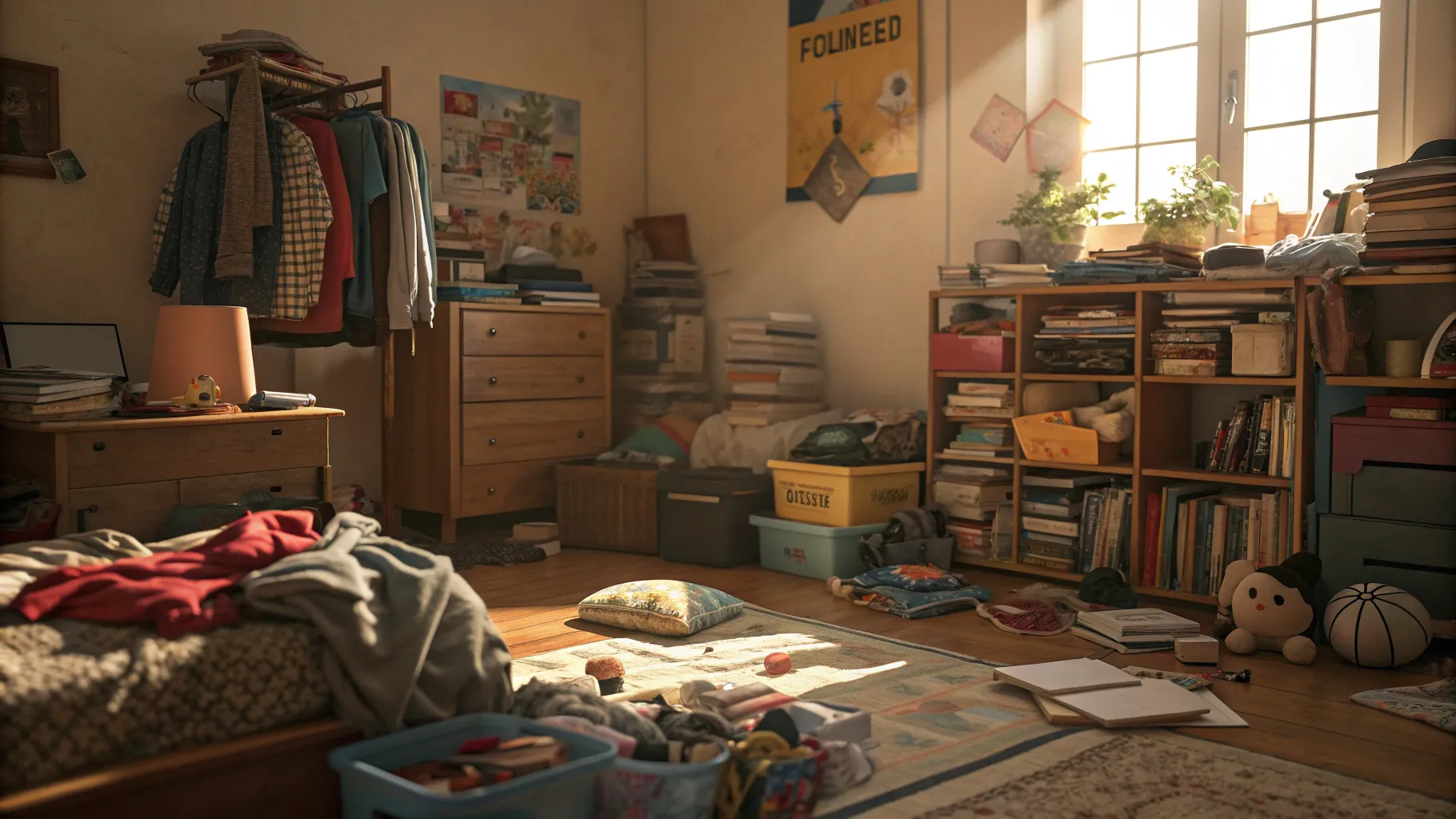
Understanding Mental Clutter
Mental clutter often reflects our physical environment. A recent survey conducted in early 2025 indicated that over 60% of individuals report feeling overwhelmed by the chaos of their surroundings. This mental clutter can lead to distractions and hinder productivity. When our environment is disorganized, it becomes challenging to focus, and this pressure can contribute to anxiety and stress.
Moreover, researchers have found that messy rooms create an environment where the brain is constantly trying to process conflicting signals. A cluttered space forces our minds to navigate through the noise, making it hard to concentrate on the task at hand. As we manage competing thoughts about what needs to be done, our performance can suffer as a result.
Additionally, the concept of decision fatigue emerges in messy environments. When surrounded by unnecessary items, our cognitive load increases, which can lead to procrastination. For instance, choosing an outfit when your closet is overflowing can turn into a daunting task, often resulting in an undesired outcome: opting for the first thing and moving on without joy. This quite real feeling reflects our increasing struggle with mental space, reflecting trends toward minimalism appearing post-pandemic.
Emotional Attachment to Objects
Our homes are often filled with items that carry memories, from gifts given by loved ones to souvenirs from travel. These objects can trigger emotions that might make it difficult to let go, even if they contribute to clutter. An overwhelming number of new studies in the past year confirm that emotional attachment plays a significant role in why people struggle to declutter their spaces.
Many people don't realize that there is an entire psychology behind possessions. According to Dr. Laura W. Voss, an organizational psychologist, decluttering can often feel like a betrayal to the memories attached to objects. She notes, "When we talk about your relationship with an item, it’s less about the object itself but rather what it represents to you. That makes it harder to decide to let go, even if it contributes to stress."
- Sentimental Value: Items can have strong sentimental value, leading individuals to keep things long after they’re relevant.
- Identity Reinforcement: Some objects represent personal achievements or phases of life that individuals may want to hold onto.
- Fear of Missing Out: Often, keeping certain items can stem from the fear of missing out on memories or experiences associated with them.
For instance, a 2025 case study involving young adults revealed that individuals who moved homes despite tight financial constraints often held onto belongings due to emotional ties, leading to significantly cluttered living spaces. Their reluctance to part with items revealed deeper connections tied to their sense of identity, self-worth, and nostalgia. This emotional complexity illustrates the significant hurdles faced in achieving organizational clarity.
Impact of Stress and Order
Living in a messy room can significantly affect your mental health. The relationship between stress and order is well-documented in the field of psychology. Clutter creates visual distractions, leading to feelings of being overwhelmed. A clean, organized environment has been linked to increased feelings of well-being, enabling individuals to be more productive and focused.
According to a recent wellness report from a leading psychological institute, individuals who reported their homes as "cluttered" saw a 20% increase in reported stress levels compared to those living in organized spaces. Regularly engaging in decluttering and organizing activities has been shown to result in reduced feelings of anxiety and increased feelings of control over one’s living environment.
Consider the case of Amanda, a 35-year-old working mother who found herself buried under a mountain of toy clutter. After spending just a few weekends organizing her children's toys and creating a designated place for items, Amanda reported feeling a sense of relief and newfound control over her household. "It’s not just about having a clean house; it’s reclaiming my mental space. I can breathe so much easier now," she noted.
Also, the rising trend of mindfulness and minimalism over the last couple of years has encouraged many to reevaluate how clutter affects their mental state. As people continue to seek environments where they can thrive without constant reminders of the chaos around them, it's apparent that the psychology of an organized environment aligns with improving mental health.
In summary, as we navigate our increasingly chaotic lives in 2025, understanding the psychology behind messy rooms is vital. Recognizing how mental clutter affects our productivity, the emotional bonds we create with items, and how stress levels correlate with the state of our surroundings can provide insights into why decluttering is more than just a trend—it's a form of self-care. Embracing organization psychology can help individuals create spaces that promote mental clarity and emotional well-being.
Authored by FreshLifeWire team