Understanding Peripheral Artery Disease Symptoms and Treatment
Understanding Peripheral Artery Disease
Peripheral artery disease (PAD) is a significant circulatory issue where narrowed arteries lead to reduced blood flow to the limbs, especially the legs. As of 2025, millions of people globally, especially those over the age of 50, are living with this often silent yet impactful condition. Awareness of PAD is critical because early detection can dramatically improve management and outcomes. Ignoring the subtleties of its symptoms could lead to serious complications, which makes understanding this disease essential.
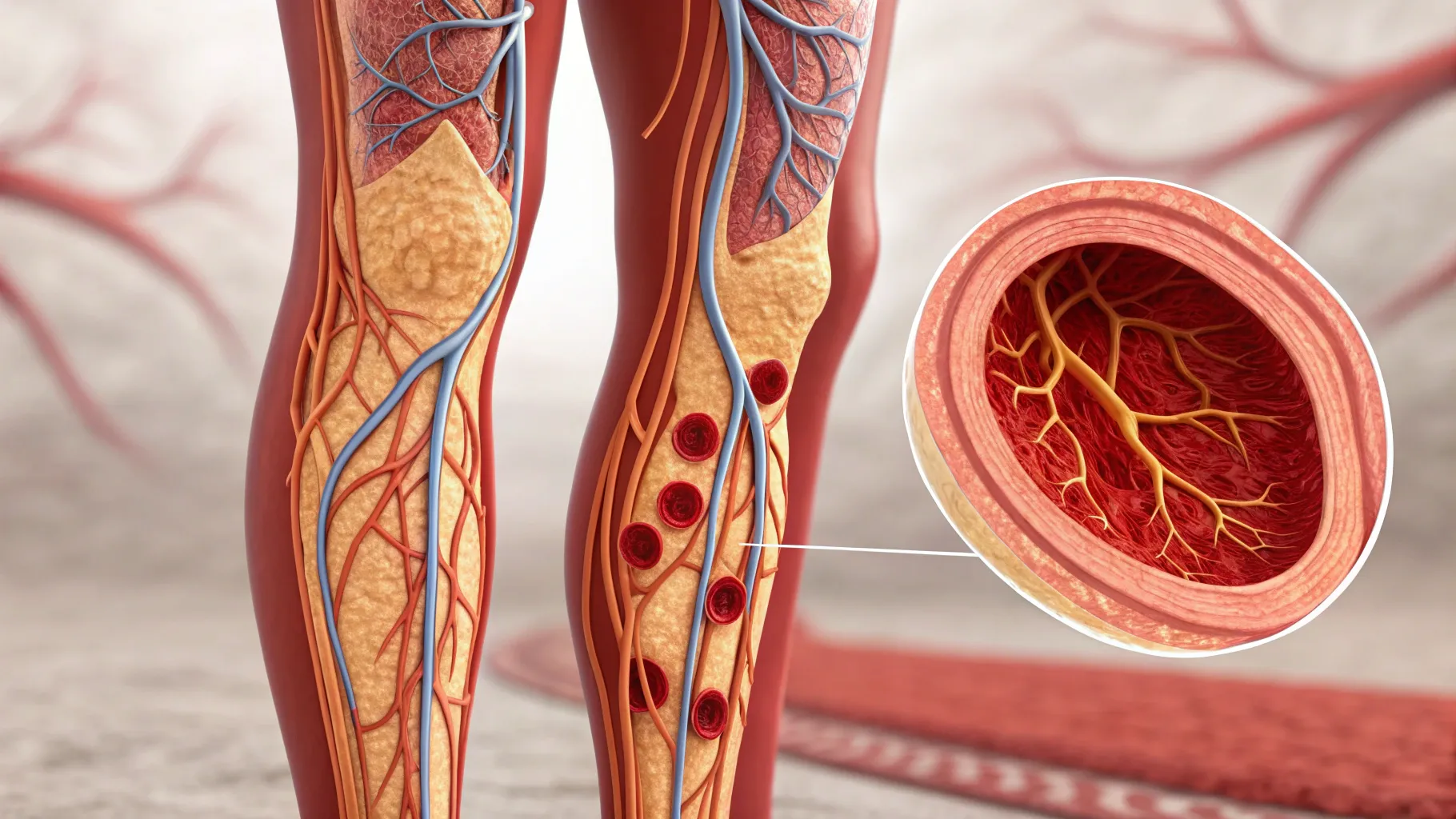
What You Need to Know About Peripheral Artery Disease Symptoms
Recognizing the signs of peripheral artery disease can be the gateway to more effective treatment and management strategies. The hallmark symptom is claudication, characterized by muscle pain or cramping primarily in the legs or buttocks during physical activities like walking or climbing stairs. This pain typically subsides with rest, which can sometimes lead patients to underestimate its seriousness. Alongside claudication, other telltale symptoms include:
- Weak or absent pulse in the legs or feet
- Coldness in the lower leg or foot
- Changes in leg color, appearing pale or bluish
- Sores or wounds on the toes, feet, or legs that take an unusually long time to heal
- Erectile dysfunction, particularly notable in men with a prior history of heart disease
Patients may also experience a feeling of heaviness and fatigue in the legs, alongside notable changes in nail and hair growth on the affected limbs. Acknowledging these symptoms can motivate individuals to seek medical advice before the condition escalates.
Why Does Peripheral Artery Disease Occur?
The primary culprit behind peripheral artery disease is atherosclerosis, a process where plaque accumulates within the arteries, narrowing them and restricting blood flow. This buildup can stem from various lifestyle choices and health issues, notably:
- High cholesterol: Elevated cholesterol levels are a prime factor in plaque development within arteries.
- Hypertension: High blood pressure not only damages arteries but also contributes to plaque creation.
- Diabetes: Individuals with diabetes face a significantly higher risk of developing PAD due to the damaging effects of high blood sugar on blood vessels.
- Smoking: Tobacco use remains one of the leading contributors to PAD, as it inflicts vascular damage and reduces the oxygen delivered to tissues.
- Obesity: Carrying excess weight increases the chances of developing high blood pressure and high cholesterol.
In addition to these factors, a sedentary lifestyle, chronic stress, and a family history of vascular diseases are significant contributors to PAD risk. Research indicates that nearly 45% of adults diagnosed with PAD also struggle with coronary artery disease, highlighting the interconnected nature of these conditions.
Identifying Risk Factors and Potential Complications
To effectively prevent and manage peripheral artery disease, understanding its risk factors is critical. The primary risk factors include:
- Age, being particularly prevalent in individuals over 50 years old
- Diabetes, especially among individuals who do not have well-controlled blood sugar
- High cholesterol levels and hypertension
- A family history of heart disease or PAD
- Obesity combined with an inactive lifestyle
- Smoking or frequent exposure to secondhand smoke
If left untreated, peripheral artery disease can lead to severe complications, including critical limb ischemia, significantly raising the risk of limb amputation. Furthermore, PAD can also increase the likelihood of heart attacks and strokes, as these conditions are all linked through the common issue of atherosclerosis.
Diagnosis and Screening Methods for Peripheral Artery Disease
Getting an accurate diagnosis of peripheral artery disease is essential for effective management and prevention of severe complications. Fortunately, several screening tests are commonly used to diagnose PAD, including:
- Ankle-brachial index (ABI): This non-invasive test gauges blood flow by comparing the blood pressure in the ankle with that in the arm.
- Doppler ultrasound: This imaging technique employs sound waves to visualize blood flow in the arteries, helping to identify blockages.
- Angiography: This procedure uses advanced imaging techniques, like MRI or CT scans, to capture clear images of blood vessels and highlight any obstructions.
- Blood tests: These tests are critical in assessing cholesterol levels, blood sugar levels, and markers of overall vascular health.
Current advancements in technology ensure that these diagnostic tests can typically be performed in outpatient settings, facilitating timely access to care for patients.
Effective Treatment Strategies for Peripheral Artery Disease
Treating peripheral artery disease often involves a multifaceted approach tailored to the severity of the condition. A significant aspect of the treatment plan centers around lifestyle modifications that can notably improve symptoms and enhance overall health:
- Quitting smoking: Ceasing all tobacco use is fundamental to decreasing the risk factors associated with PAD.
- Regular exercise: Engaging in mild to moderate physical activity, particularly walking, can significantly boost circulation in affected limbs.
- Eating a nutritious diet: Incorporating an array of fruits, vegetables, whole grains, and lean protein sources helps manage cholesterol levels effectively.
- Maintaining a healthy weight: Loss of body weight, particularly in those who are overweight, can relieve stress on the circulatory system.
- Managing blood pressure, cholesterol, and sugar: Regular health check-ups and adherence to medical advice regarding these parameters is essential.
Additionally, physicians may prescribe medications such as antiplatelet agents, statins, or specific drugs designed to enhance blood flow in severe cases. For individuals with critically impaired blood flow, surgical options such as angioplasty or bypass surgery to re-establish proper blood circulation, may be necessary.
As we progress through 2025, there is an increasing focus on raising awareness around peripheral artery disease and the importance of early detection. By embracing proactive steps toward healthier lifestyles, individuals can significantly enhance their quality of life while effectively managing their symptoms associated with PAD.
Authored by FreshLifeWire team