Understanding Nasal Polyps Symptoms and Treatments
Nasal Polyps Understanding and Facts
Nasal polyps are soft, painless, noncancerous growths that develop on the lining of your nasal passages or sinuses. They typically hang down like teardrops or grapes and vary in size. Understanding nasal polyps is essential as they are often associated with chronic sinus conditions and can significantly affect a person's quality of life. The year 2025 brings a closer look at how we approach diagnosis and treatment of nasal polyps, highlighting their historical context and modern medical understanding.
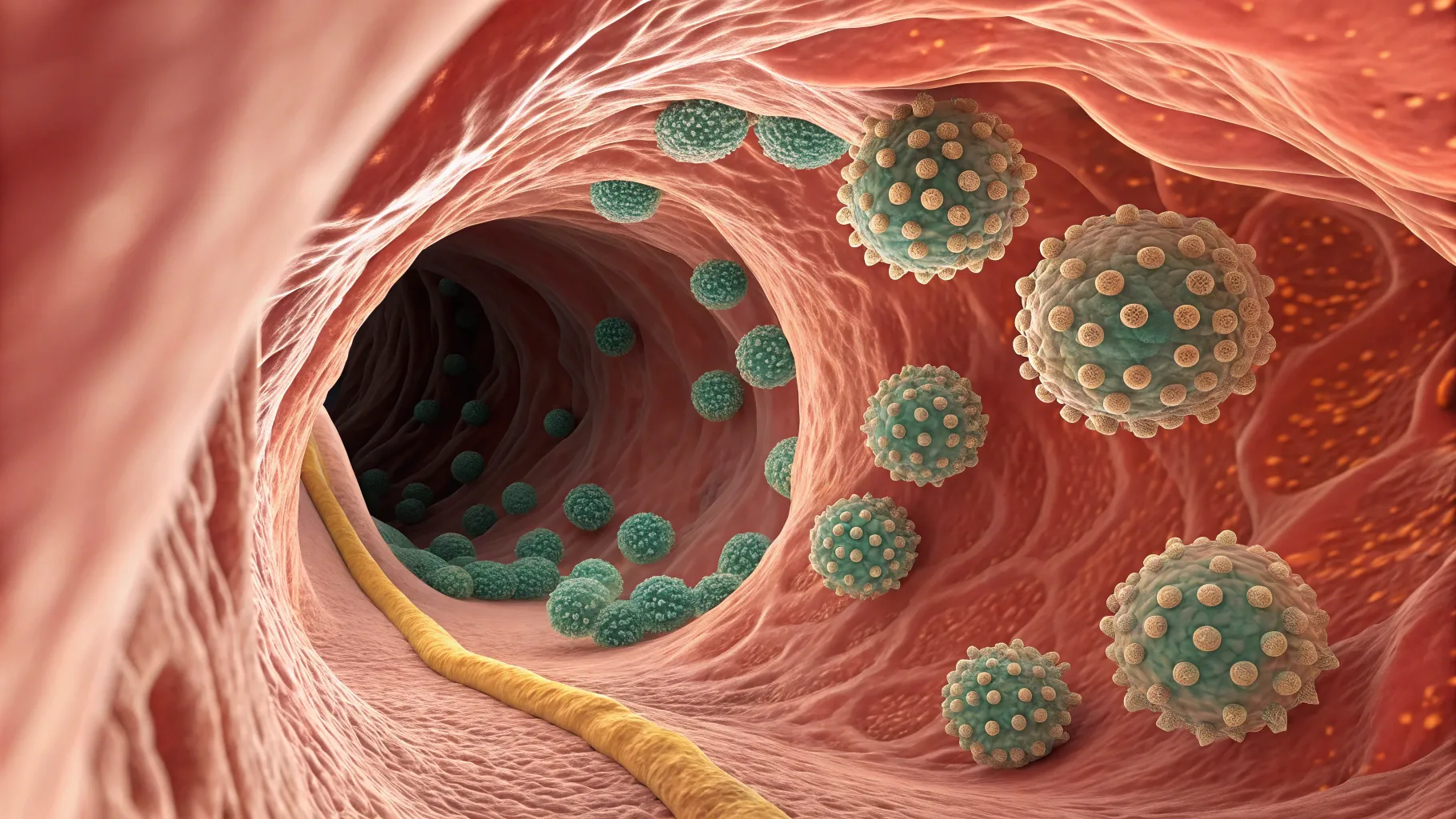
What are Nasal Polyps and How Do They Form?
Nasal polyps result from chronic inflammation in the nasal passages and sinuses. Although medical researchers continue to study their exact causative mechanisms, several factors contribute to their formation, including allergies, asthma, and sensitivity to certain medications, such as aspirin. In 2024, new insights from studies revealed that individuals suffering from recurrent infections also showed a higher prevalence of nasal polyps, emphasizing the interconnectedness of immune response and sinus conditions.
Histologically, nasal polyps are characterized by edematous (swollen) connective tissue and an abnormal growth of epithelial cells. This abnormal growth can obstruct airflow, leading to symptoms that impact everyday life. Maintaining awareness of these growths is critical since their untreated presence can lead to more severe sinus issues.
Historical Understanding in Medical Literature
The understanding of nasal polyps has evolved significantly over time. In ancient medical texts, such growths were often misattributed to various mystical causes rather than being recognized for their physiological basis. The term "polyp" is derived from the Greek word for "many feet," referring to their appearance. It wasn't until the late 19th century that medical literature began to acknowledge nasal polyps as distinct anatomical entities, with documented cases illustrating their relationship to chronic rhinosinusitis.
Fast forward to 2025, research advances have clarified their anatomy and pathology, leading to better diagnostic criteria and therapeutic approaches. Recent literature emphasizes the role of genetic factors and associated inflammatory diseases, providing a more comprehensive view of their occurrence and treatment.
Anatomical Location and Structure of Nasal Polyps
Nasal polyps typically arise in areas such as the middle meatus—the space between the middle turbinate and the lateral nasal wall—commonly seen during nasal endoscopy procedures. Their size can vary, with some polymorphic polyps measuring just a few millimeters, while others can grow significantly, obstructing nasal airflow completely. The value of imaging techniques, particularly computed tomography (CT), in identifying the size and extent of nasal polyps has been recognized widely in recent medical research, aiding in effective surgical planning.
Common Symptoms Associated with Nasal Polyps
Those living with nasal polyps frequently experience a range of symptoms that can vary in intensity. Commonly reported symptoms include:
- Chronic nasal congestion
- Reduced sense of smell or taste
- Nasal obstruction
- Frequent sinus infections
- Facial pain or pressure
- Postnasal drip
The impact of these symptoms can significantly reduce one’s quality of life, leading to sleep disturbances, fatigue, and even anxiety. Recent case studies have highlighted that psychological factors often complicate the assessment of symptom severity. Understanding how these symptoms manifest helps in recognizing nasal polyps early and encourages proactive treatment strategies.
Relationship Between Nasal Polyps and Chronic Sinus Conditions
Nasal polyps are often seen in patients with chronic rhinosinusitis (CRS). In fact, studies indicate that approximately 20-30% of individuals with CRS also have nasal polyps. Chronic inflammation within the nasal cavity can lead to polyp formation as a response to prolonged irritation. In 2024, research reinforced that those suffering from asthma are particularly prone to developing nasal polyps, which supports the idea that underlying inflammatory processes may be common to both conditions.
Moreover, treatment approaches that address both nasal polyps and chronic sinusitis, such as corticosteroid therapy, have gained traction in clinical practice. These dual-management strategies not only alleviate symptoms but can also improve overall patient outcomes.
Methods of Diagnosing Nasal Polyps in Clinical Practice
Diagnosing nasal polyps typically involves a comprehensive medical history, symptom assessment, and physical examination. The use of nasal endoscopy allows physicians to visualize the nasal passages directly, confirming the presence and size of polyps effectively. In recent months, advancements in imaging technologies have made it easier to identify polyps in patients who have atypical presentations.
A crucial aspect of managing nasal polyps involves ruling out other nasal growths such as tumors or cysts, which can lead to confusion during diagnosis. Biopsy procedures may be necessary for atypical cases, reinforcing the need for a multidisciplinary approach to treatment.
Prevalence of Nasal Polyps in Different Populations
The prevalence of nasal polyps varies widely among populations, affected by genetic, environmental, and immunological factors. Recent studies have noted that the prevalence rate of nasal polyps is significantly higher in individuals with asthma, cystic fibrosis, and aspirin sensitivity, with rates approaching 30% in these groups. Interestingly, the differences in prevalence among ethnic groups have brought to light the importance of genetic predisposition. In 2025, it is clear that understanding these differences is vital for developing tailored therapeutic interventions.
In summary, as we consider the modern understanding of nasal polyps in relation to chronic sinus conditions, historical contexts, and diagnostic methods, it becomes evident that an integrated approach focusing on early detection and treatment is essential for improving patient outcomes. Keeping abreast of ongoing research and advancements will only help in managing this condition more effectively.
Authored by FreshLifeWire team