Understanding Nasal Polyps Symptoms Treatment and Formation
Understanding Nasal Polyps
Nasal polyps are benign, soft growths that develop in the nasal passages or sinuses' lining. They can often be painless, although some people might not even realize they have them. These growths can resemble teardrops or grapes, and their size can vary widely among individuals. For many, nasal polyps may not cause significant symptoms, but for others, they can lead to more serious health issues like chronic sinusitis and obstructive sleep apnea. Recent studies indicate that around 4% of the global population currently deals with nasal polyps, with those suffering from asthma or allergic rhinitis showing a notably higher prevalence.
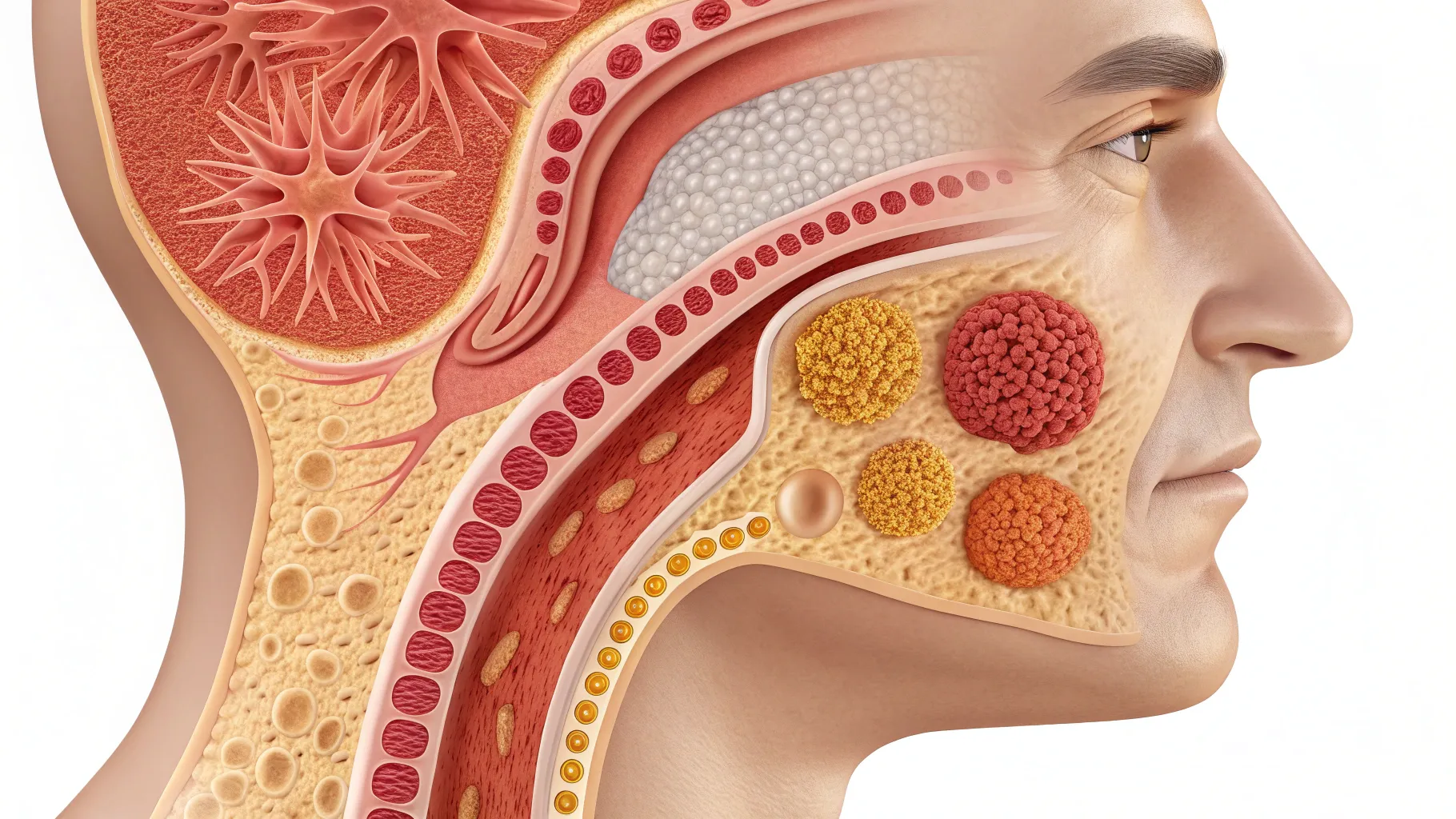
How Nasal Polyps Form
Understanding the formation of nasal polyps is crucial. They usually arise due to chronic inflammation of the nasal mucosa. While the precise mechanisms behind their development are still being researched, several factors have been linked to the onset of nasal polyps:
- Chronic Sinusitis: Prolonged inflammation of the sinuses can provoke the growth of polyps due to continuous irritation and swelling in the area.
- Allergic Rhinitis: Allergies can lead to significant inflammatory responses, which may increase tissue swelling and, consequently, produce polyps.
- Aspirin Sensitivity: Those sensitive to aspirin might experience asthmatic symptoms that are associated with polyp formation.
- Genetic Factors: Genetic disorders, such as cystic fibrosis, can elevate the likelihood of developing nasal polyps significantly.
When the nasal lining suffers from prolonged irritation or inflammation, it can lead to swelling that ultimately forms polyps. Recent research highlights how specific immune reactions could be pivotal, hinting that targeting these pathways might pave the way for innovative treatments.
Symptoms of Nasal Polyps
Nasal polyps can be tricky to identify since many symptoms overlap with common conditions like sinus infections and allergies. However, early identification is critical for effective management. Here are some common symptoms to watch for:
- Chronic Nasal Congestion: A persistent feeling of obstruction or blockage in the nasal passages is frequent among those with polyps.
- Runny Nose: This often results in increased mucus production, which can contribute to postnasal drip.
- Loss of Smell and Taste: A reduced sense of smell or taste can significantly affect daily enjoyment of food and overall appetite.
- Facial Discomfort: Many individuals experience pressure or pain in the facial areas, particularly around the forehead and eyes, particularly if chronic sinusitis is present.
- Frequent Nosebleeds: Increased irritation from polyps may lead to nosebleeds, though these are typically manageable and not dangerous.
- Sleep Disturbances: Obstructed airflow can result in snoring or other sleep-related issues, preventing restful slumber.
Being aware of these symptoms can encourage individuals to seek evaluation from an otolaryngologist (an ear, nose, and throat specialist) for diagnostic assistance and potential treatment.
Diagnostic Procedures for Nasal Polyps
Diagnosing nasal polyps typically begins with a comprehensive review of the patient’s medical history, symptomatic evaluation, and thorough physical examination. Thanks to modern advancements in diagnostics, the accuracy of identifying nasal polyps has significantly improved. Here’s a typical diagnostic process:
- Patient History: Healthcare providers will gather information about symptoms, their duration, and any pre-existing conditions such as allergies or asthma.
- Physical Examination: Doctors often conduct a nasal exam to spot any visible polyps.
- Endoscopy: This procedure involves inserting a flexible tube equipped with a camera into the nasal passages, allowing for a detailed visual inspection.
- Imaging Tests: CT scans or MRIs may be recommended to evaluate the size of the polyps and detect any potential sinus complications.
- Allergy Testing: Assessing allergic triggers can play a vital role in creating a tailored treatment plan.
These diagnostic strategies are invaluable in pinpointing the presence and extent of nasal polyps, thereby guiding effective treatment options.
Treatment Options for Nasal Polyps
Treatment for nasal polyps primarily focuses on alleviating symptoms, reducing inflammation, and removing polyps if necessary. Here are several common treatment methods:
- Medications: Corticosteroid nasal sprays are often the first line of treatment, as they help to reduce inflammation effectively. For more severe cases, oral corticosteroids might be prescribed.
- Biologics: Newer treatments like dupilumab target specific inflammatory pathways and have shown encouraging results, particularly in patients also suffering from asthma or chronic rhinosinusitis.
- Saline Nasal Irrigation: Regular saline rinses can aid in clearing mucus and allergens, providing significant relief for many individuals by reducing inflammation.
- Surgery: If conservative treatments fail, surgical options may be necessary, especially for larger polyps. Endoscopic surgery is generally minimally invasive, allowing for quicker recovery times.
Staying well-informed about the symptoms and collaborating closely with healthcare professionals is essential for effective management of nasal polyps. Ongoing monitoring and adjustments to treatment plans can drastically improve life quality and health outcomes.
Current Trends and Insights
In the context of 2025, discussing nasal polyps also involves understanding the growing trend of personalized medicine. As new research emerges, treatments are becoming increasingly tailored to individual patient profiles, especially regarding genetic predispositions and specific inflammatory responses. Furthermore, telemedicine has made it easier for patients to communicate with specialists, allowing for faster assessments and adjustments to treatment plans.
Engaging with support groups and online communities has proven helpful for many individuals, providing emotional support and sharing personal experiences regarding treatment and coping strategies. This sharing fosters a greater understanding of the condition and helps destigmatize nasal polyps, emphasizing that they are a common medical issue that many people manage successfully.
Authored by FreshLifeWire team