Understanding Mycosis Fungoides Symptoms Diagnosis Treatment
Understanding Mycosis Fungoides
Mycosis Fungoides is recognized as the most prevalent form of cutaneous T-cell lymphoma (CTCL) and primarily impacts the skin. This condition, while rare, affects an estimated 5,000 to 8,000 individuals in the United States each year. Recognizing Mycosis Fungoides early can make a profound difference in treatment effectiveness and patient outcomes, making awareness of its symptoms, diagnosis, and management strategies essential for both patients and healthcare providers.
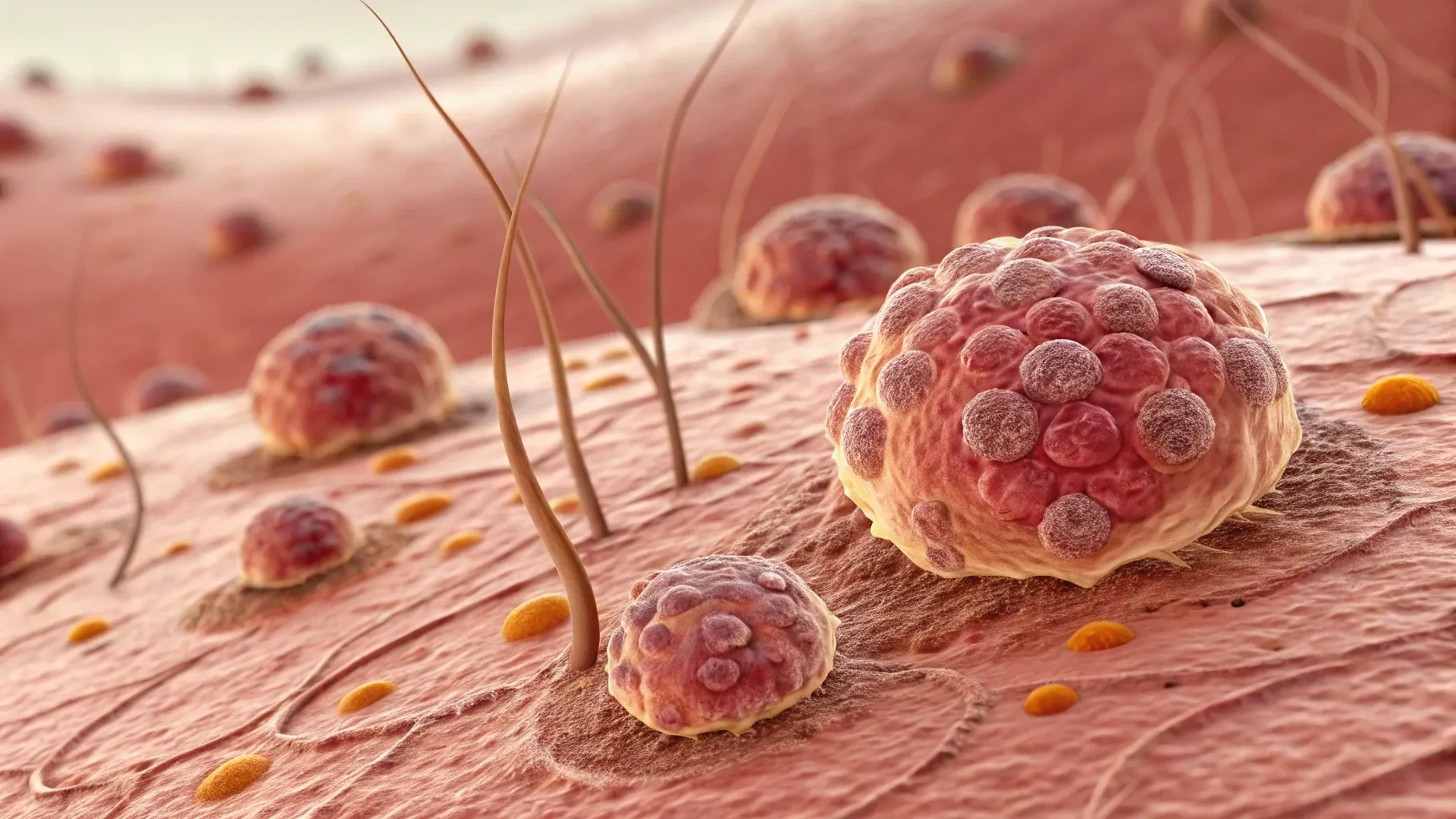
Primarily a skin disease, Mycosis Fungoides can advance to the lymph nodes and internal organs if treatments are delayed or neglected. This underscores the importance of understanding the condition fully, so we can catch symptoms early and provide care that can significantly improve quality of life.
Symptoms of Mycosis Fungoides
Detecting the signs of Mycosis Fungoides can be challenging due to its symptoms often mimicking more common skin conditions like eczema and psoriasis. Here are the key manifestations to look out for:
- Early Signs: The initial symptoms often include small, red, or brown patches that may bear a resemblance to more benign skin disorders. These patches can be itchy and may become scaly over time.
- Progression: As the condition progresses into more advanced stages, it can lead to the development of plaques or tumors. These can not only be painful but may also bleed, which can be alarming for patients.
- Advanced Symptoms: At more advanced stages, individuals may experience swollen lymph nodes. Systemic manifestations such as fever, night sweats, and weight fluctuations are also common, indicating a potentially more severe progression of the disease.
Due to the variability in symptoms among individuals, it's imperative to seek medical attention if you observe any unusual skin changes. Prompt action can lead to a more favorable prognosis.
Mycosis Fungoides Diagnosis
Diagnosing Mycosis Fungoides typically involves a thorough evaluation process that includes physical assessments and specialized tests. Here’s how it generally unfolds:
- Physical Examination: Dermatologists begin with a careful examination of the skin to identify distinct lesions consistent with Mycosis Fungoides. They will also assess lymph nodes to check for any signs of involvement.
- Biopsy: A skin biopsy is often essential, wherein a small skin sample is extracted and laboratory analysis is performed to confirm the presence of malignant T-cells, the hallmark of Mycosis Fungoides.
- Imaging Studies: If Mycosis Fungoides is suspected, imaging studies such as CT scans or PET scans may be utilized to gauge if the disease has metastasized to lymph nodes or other organs.
With recent advancements in diagnostic methodologies, techniques like dermoscopy and reflectance confocal microscopy are making headlines this year. These innovations enhance diagnostic accuracy significantly, which is a game-changer for effective disease management.
Treatment Options for Mycosis Fungoides
Treatment strategies for Mycosis Fungoides are tailored to individual patients, taking into account the stage of the disease, the extent of skin involvement, and the patient’s overall health condition. Depending on these factors, several treatment options are currently being employed:
- Topical Treatments: Early-stage Mycosis Fungoides is often managed with topical corticosteroids, chemotherapy creams, or retinoids. These treatments aim to alleviate inflammation and control skin symptoms.
- Phototherapy: Another effective treatment method involves phototherapy, which utilizes ultraviolet light under medical supervision. Treatments such as PUVA (psoralen plus UVA) and narrowband UVB have demonstrated positive outcomes for many patients struggling with skin lesions.
- Systemic Therapies: In more advanced cases, systemic medications such as retinoids, interferons, and targeted therapies are used. Some patients may also be considered for chemotherapy when severe disease manifestations present.
- Innovative Therapies: New therapeutic approaches such as targeted therapies and immunotherapies are gaining traction. These methods focus on more precisely attacking cancerous cells, which may lead to better outcomes with fewer side effects.
Crucially, treatment plans should be personalized, and patients should engage in meaningful discussions with their healthcare teams regarding the most suitable approach. Participating in clinical trials also presents an opportunity for access to cutting-edge therapies and contributes to progress in research.
Stages of Mycosis Fungoides
Comprehending the stages of Mycosis Fungoides is vital for both patients and healthcare providers. Staging is a crucial component that aids in crafting treatment plans. The stages typically are categorized as follows:
- Stage IA: Characterized by skin lesions with no evidence of lymph node involvement.
- Stage IB: More extensive skin lesions are present, yet still without lymph node involvement.
- Stage IIA: Skin lesions alongside swollen lymph nodes, without any visceral involvement.
- Stage IIB: Features tumors on the skin with the possibility of several lymph nodes being affected.
- Stage III: A significant spread of the disease is present, extending to substantial lymph node involvement.
- Stage IV: The most advanced state, indicating that the disease has manifested in multiple organs.
Generally, patients diagnosed in the earlier stages of Mycosis Fungoides tend to experience more favorable outcomes compared to those diagnosed in later stages. Ongoing research and clinical evaluations are dedicated to enhancing effective treatment options and improving the prognosis for those living with this challenging condition.
In summary, understanding Mycosis Fungoides—from its symptoms to available treatments—empowers patients and their families to actively engage in managing this skin lymphoma. Early detection and personalized treatment strategies play pivotal roles in enhancing not only treatment effectiveness but overall quality of life.
Authored by FreshLifeWire team